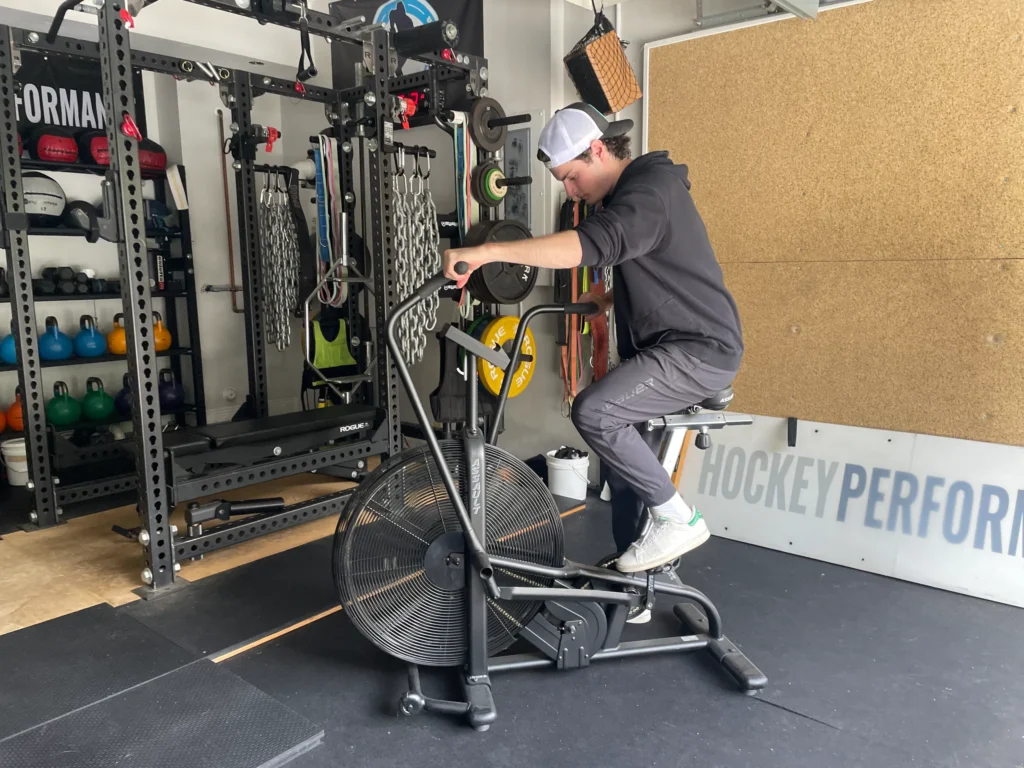
PLYOMETRICS
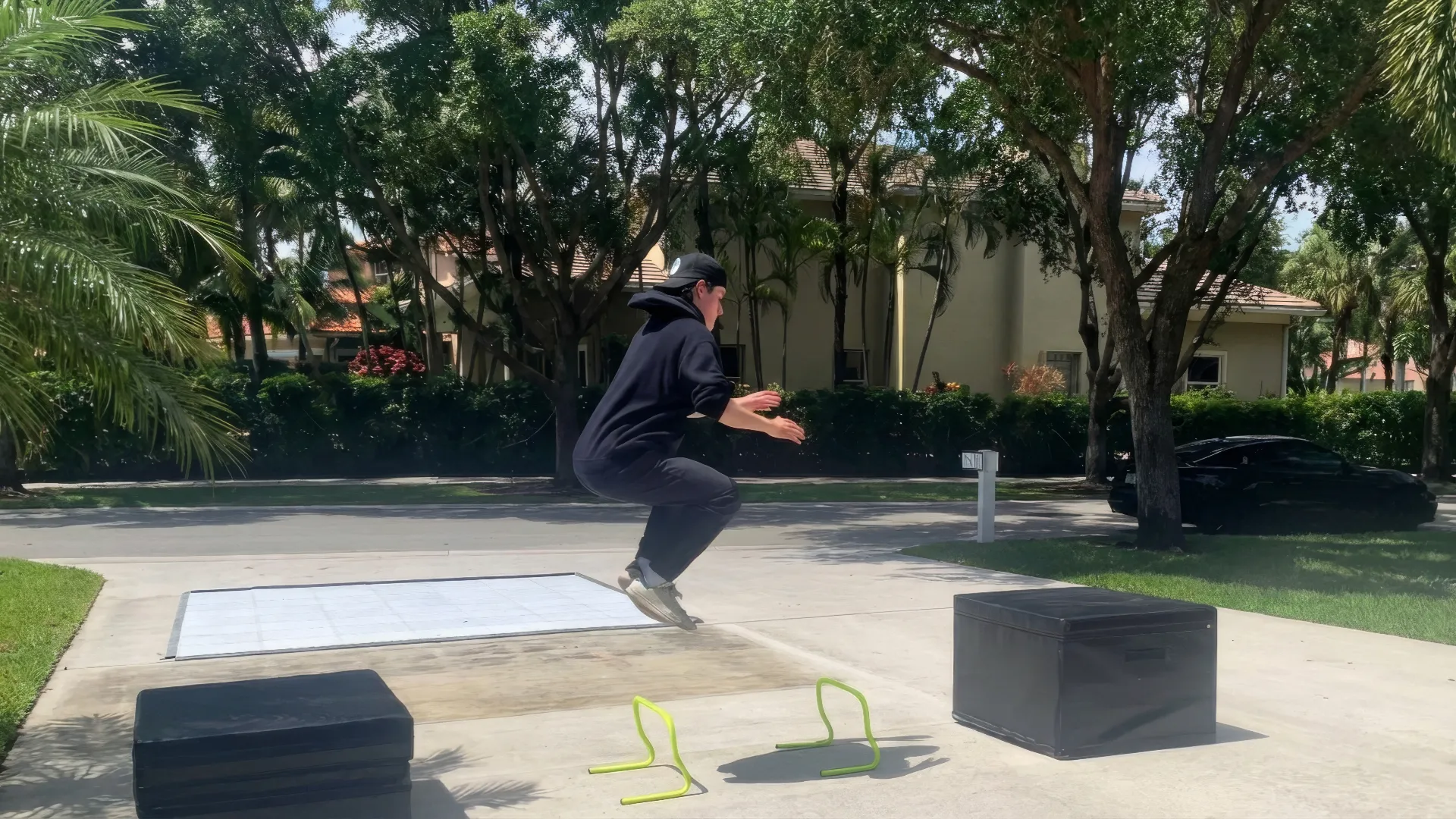
Athletic Performance is the ability for an athlete to move in a multi-planner fashion often performing a specific skill set. Almost every Sport starts athletic position. Hence the name. Success is about building a solid foundation and perfecting the fundamentals. The most important focus that we use when training with Plyometrics is first, teaching an athlete how to load Into athletic position. You must provide a stable and biomechanically correct platform from which to change direction. Once an athlete can prove that they can properly get into athletic posture, then we start gradually applying different movement patterns that challenge their ability to move quickly in a predetermined fashion. As is our entire training program, difficulty is determined by athletic maturity. Each Age group within our Long-Term Development Model must establish a solid foundation of success before they move on to the next level of training protocol.
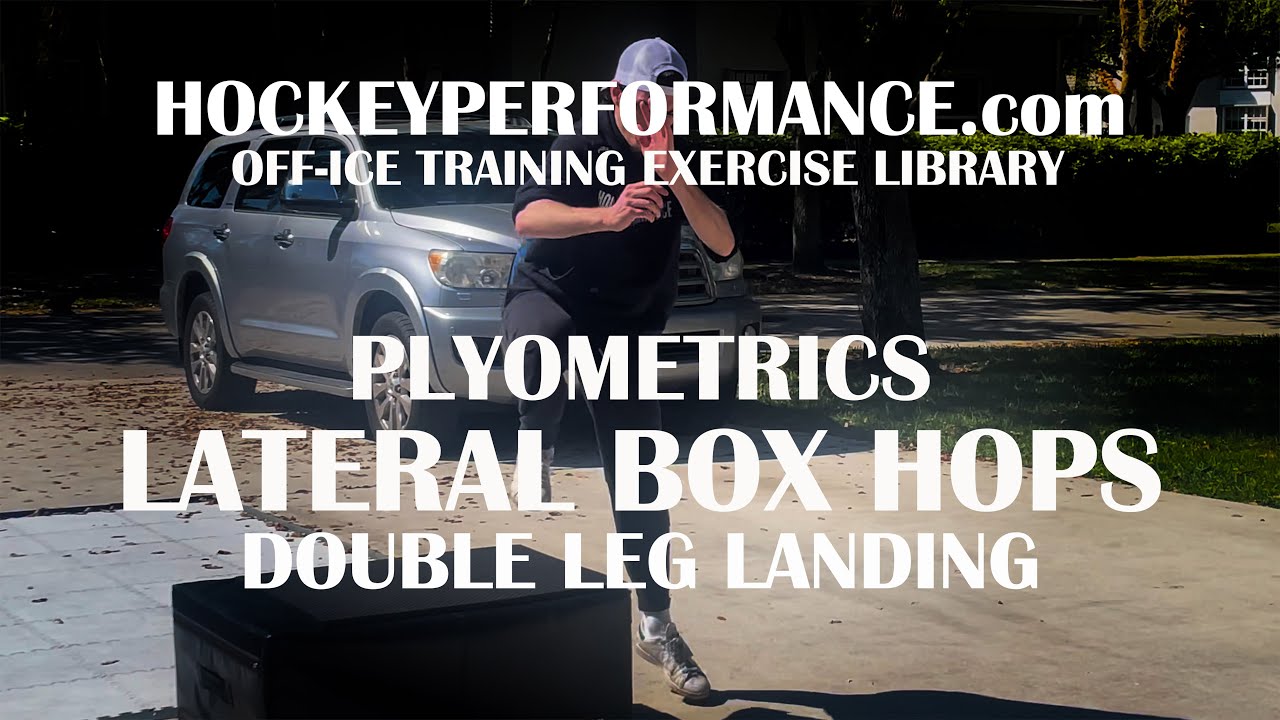
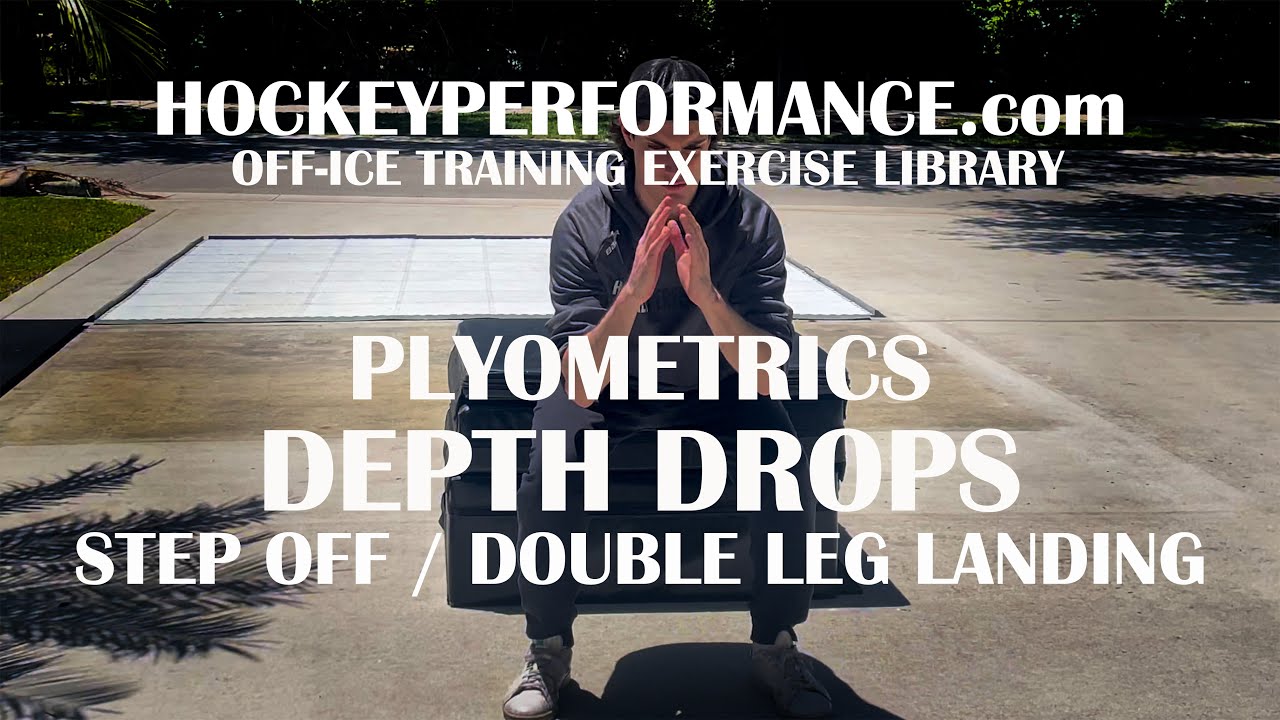
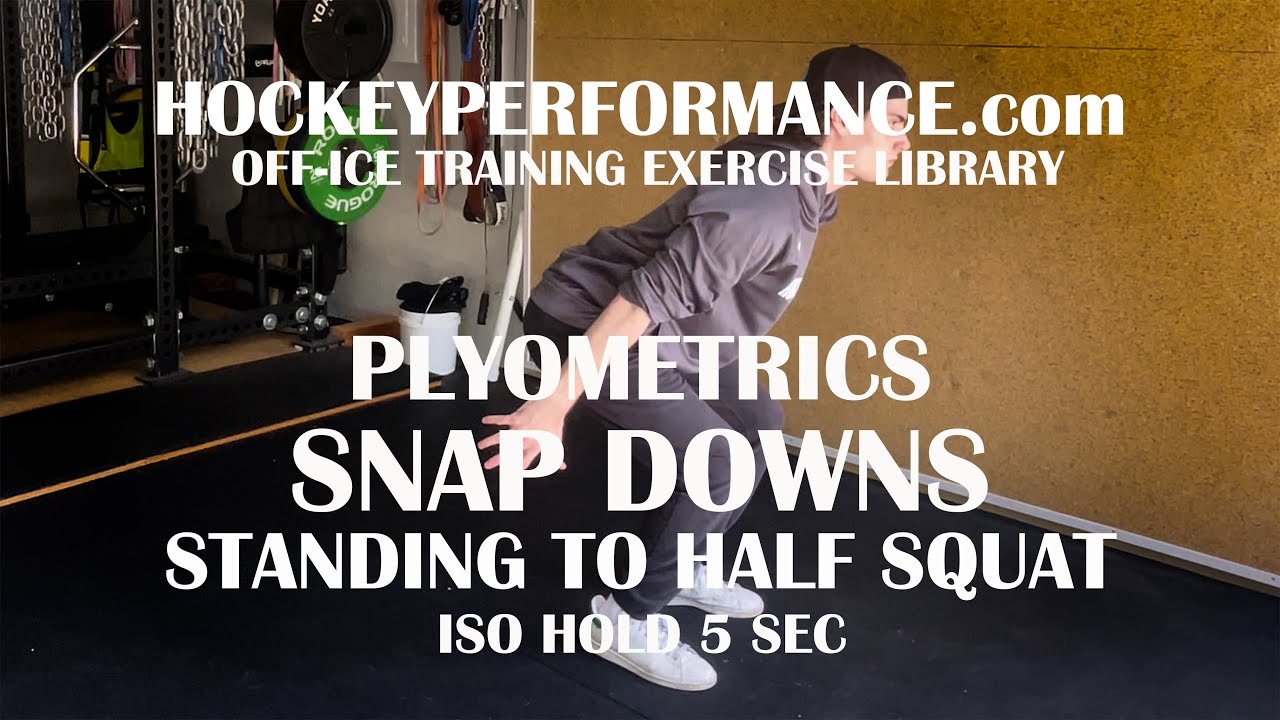
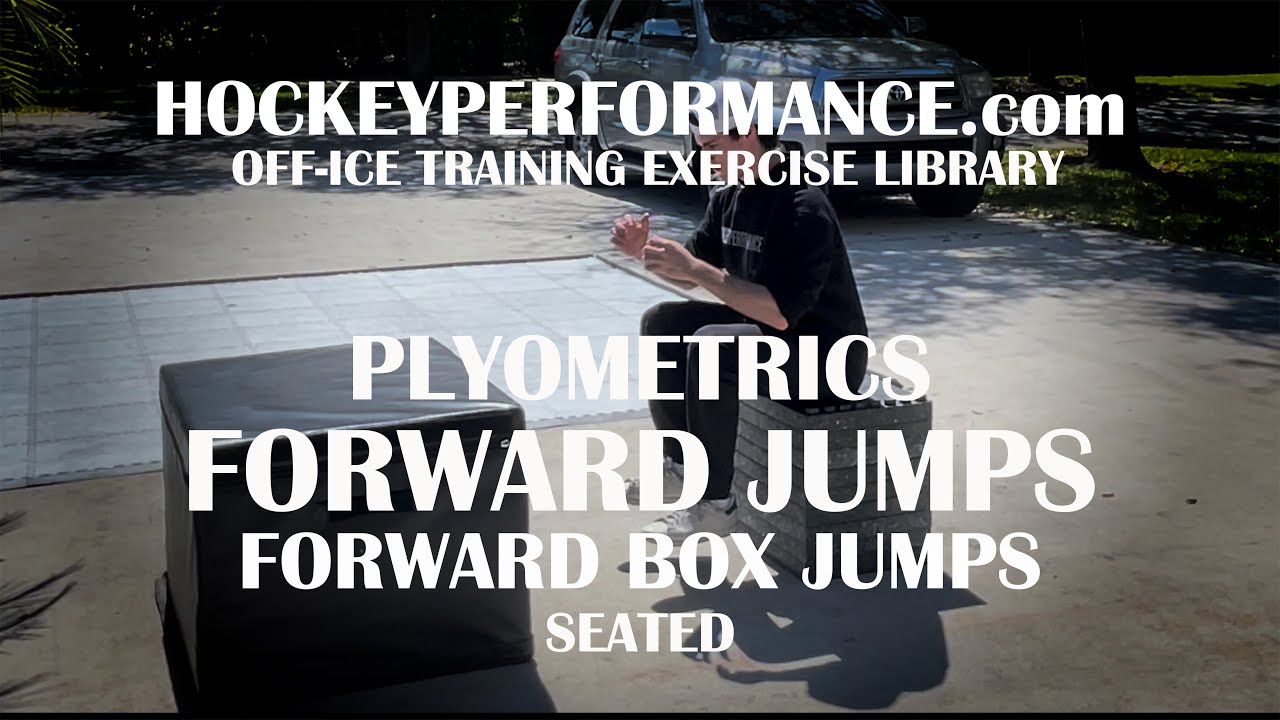
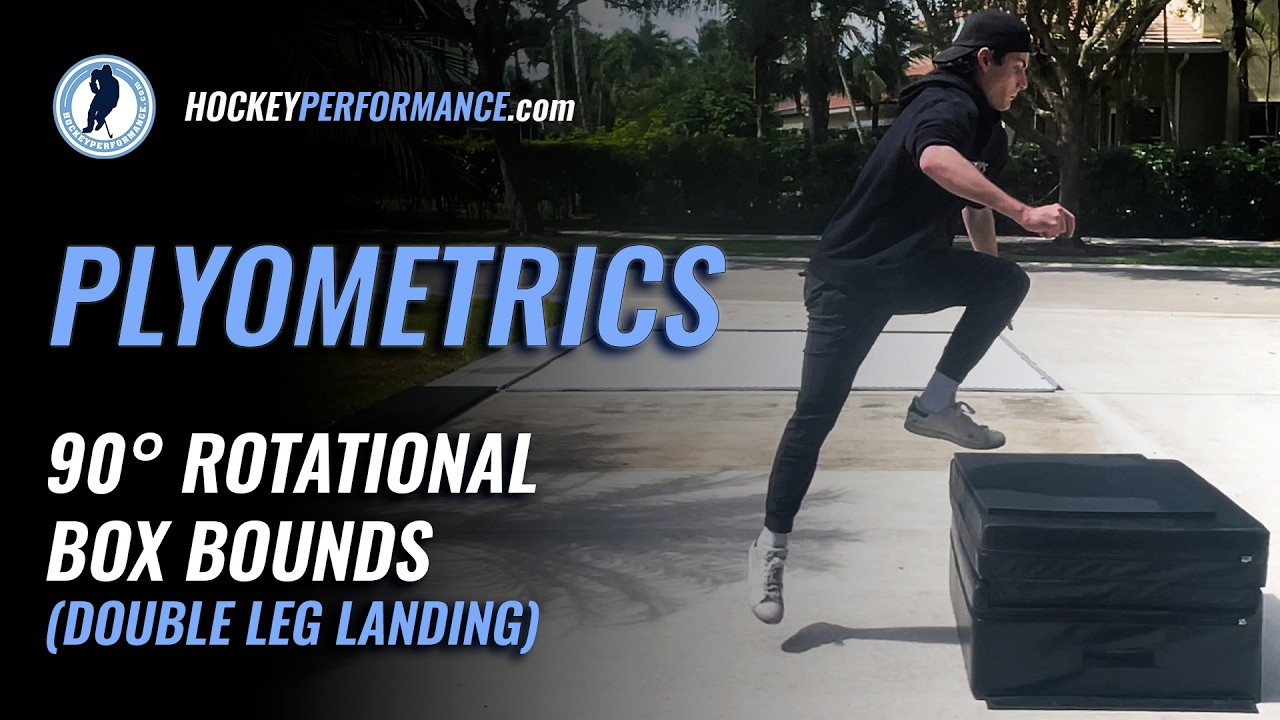
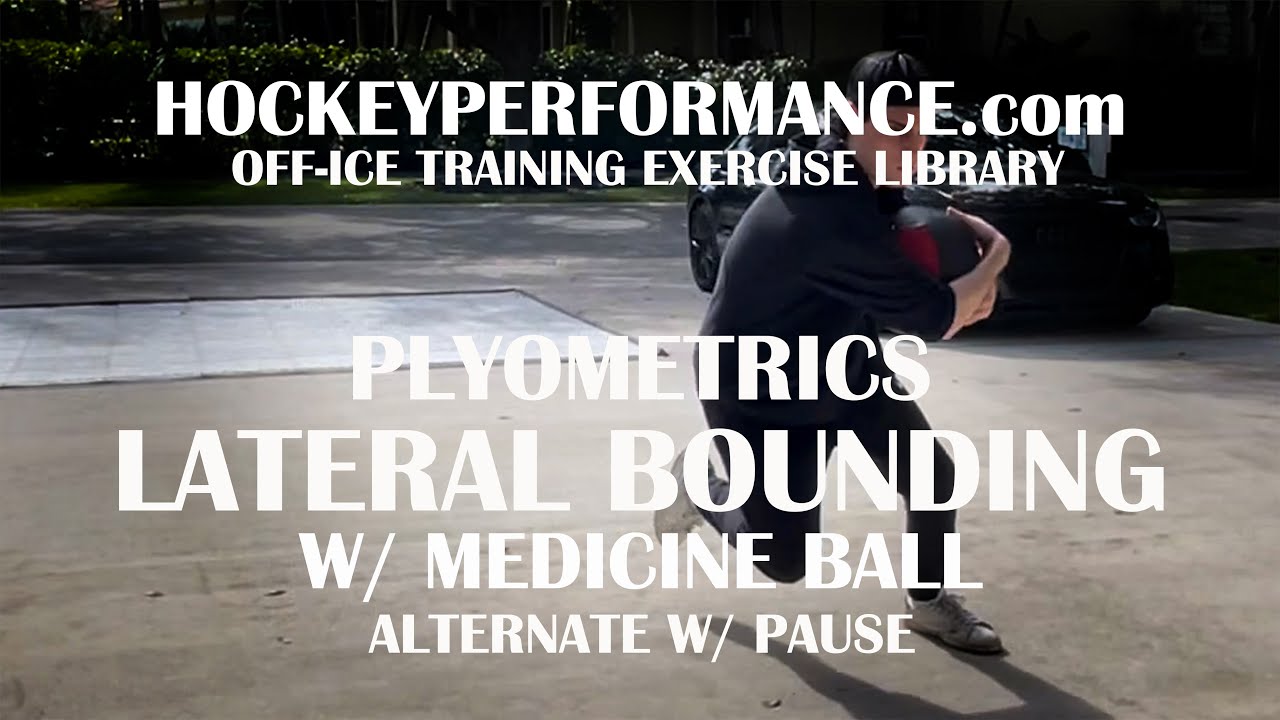
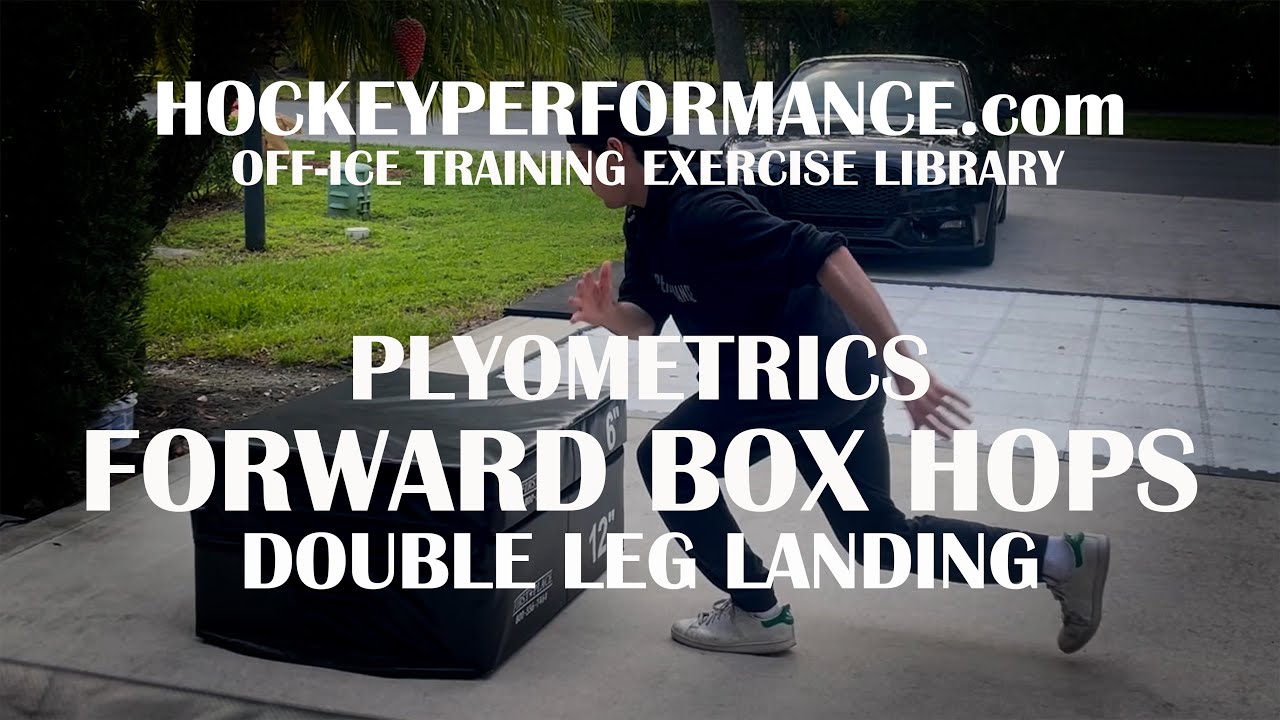
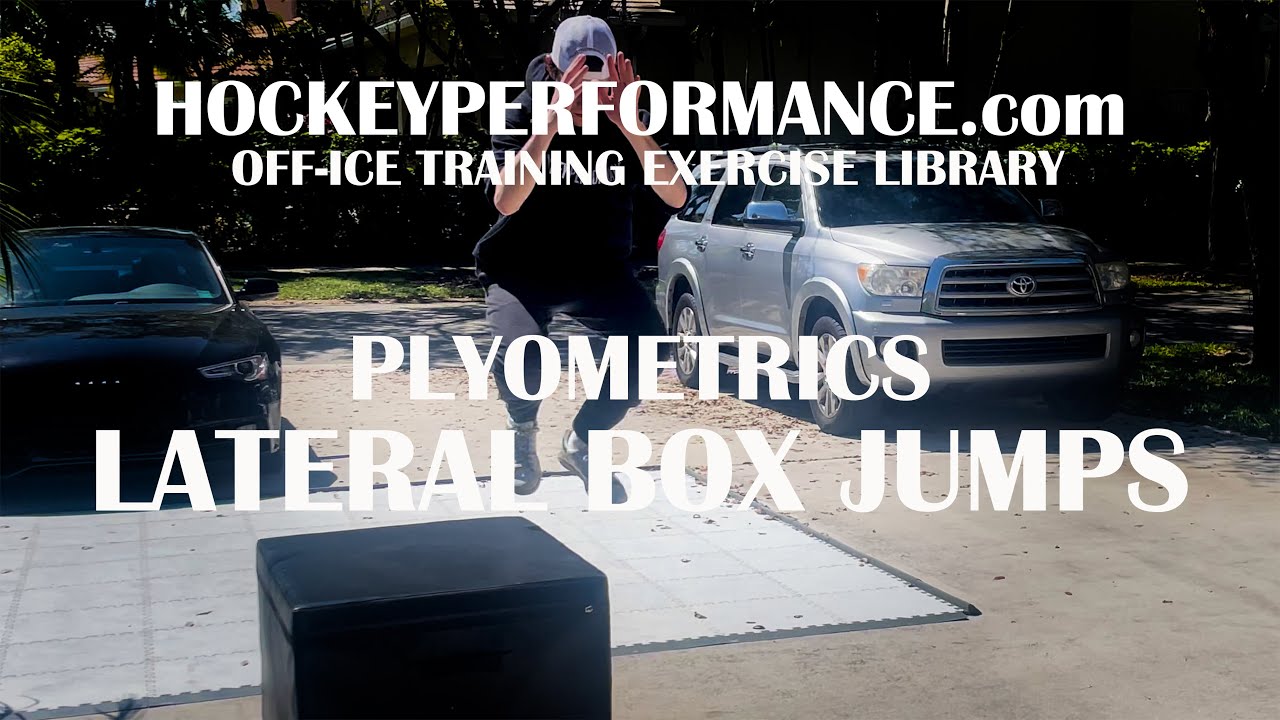
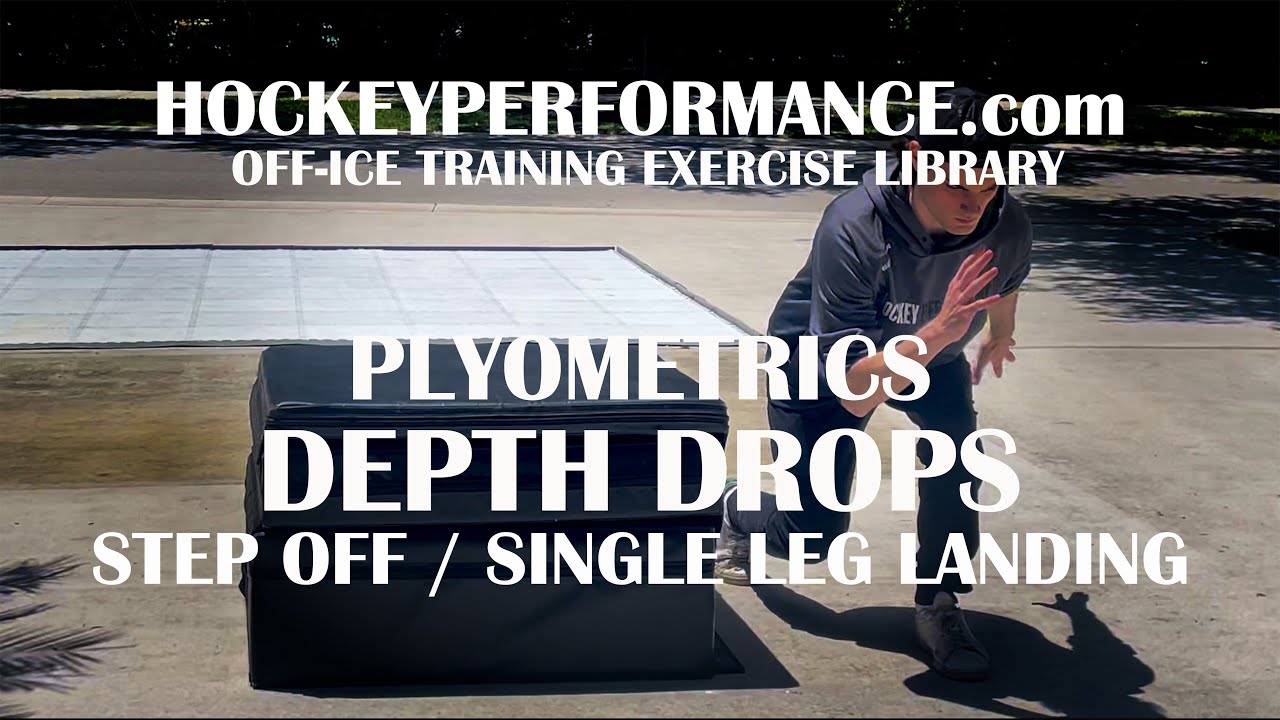
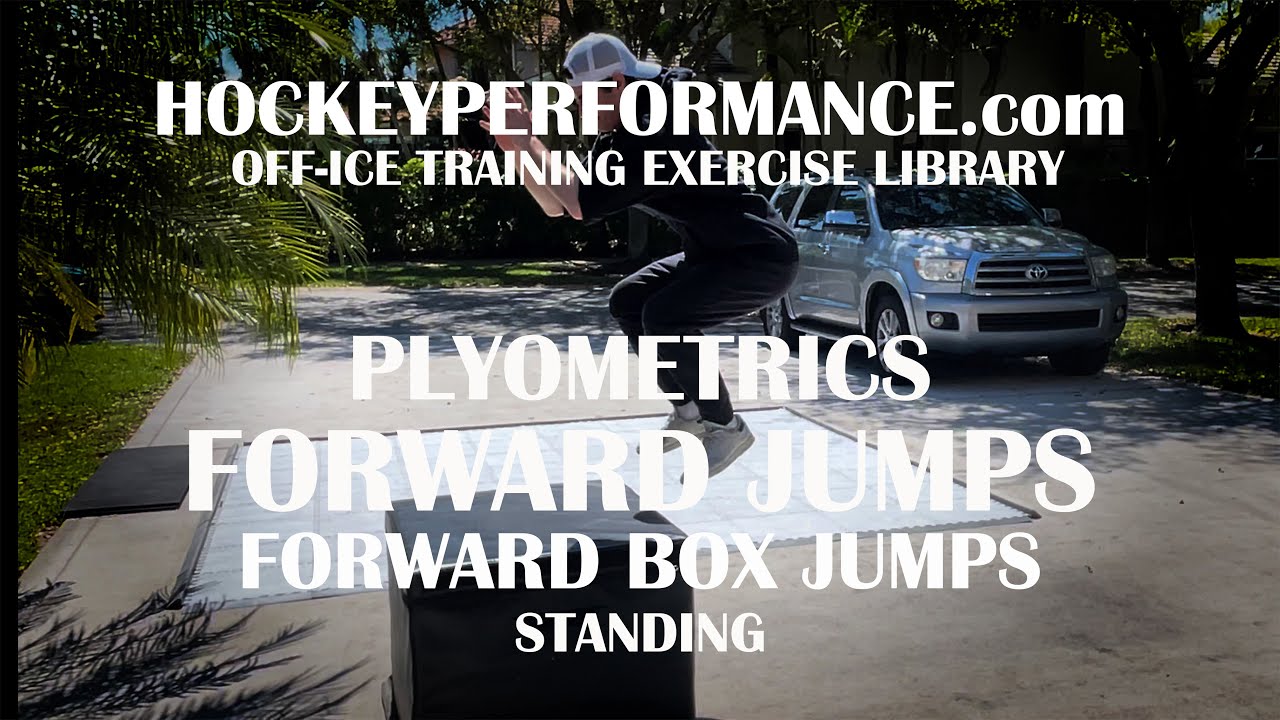
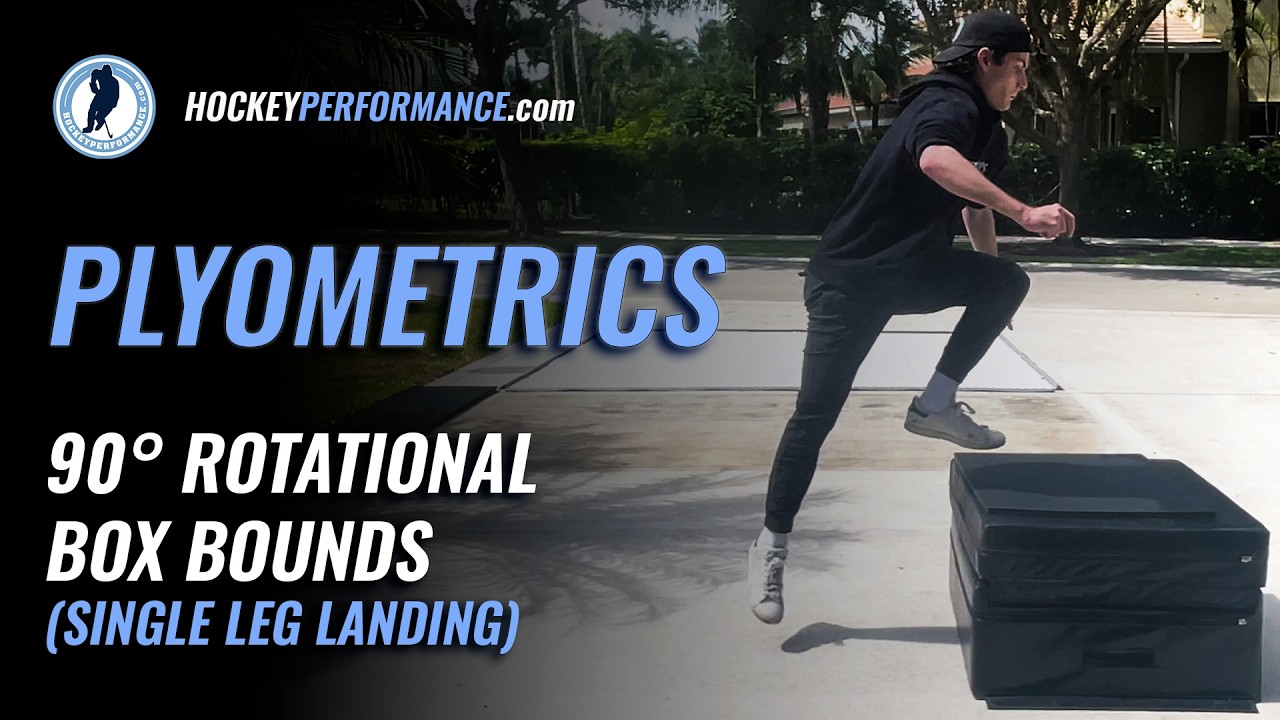
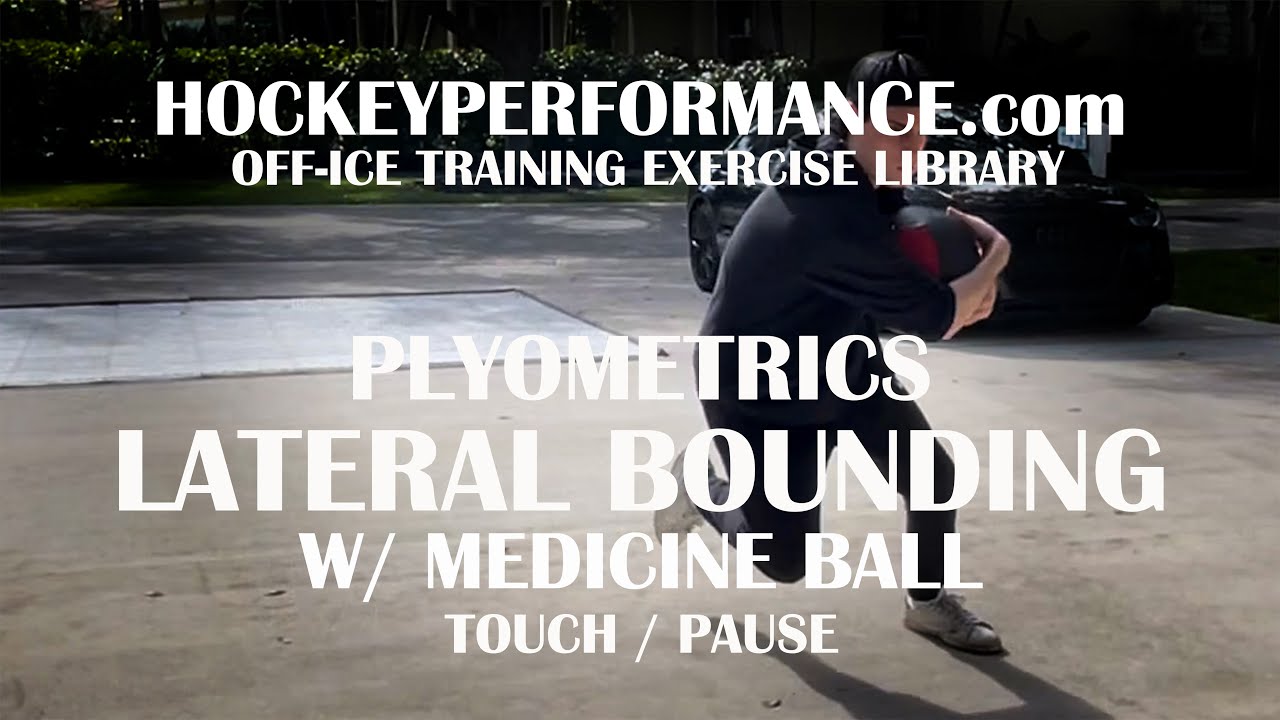
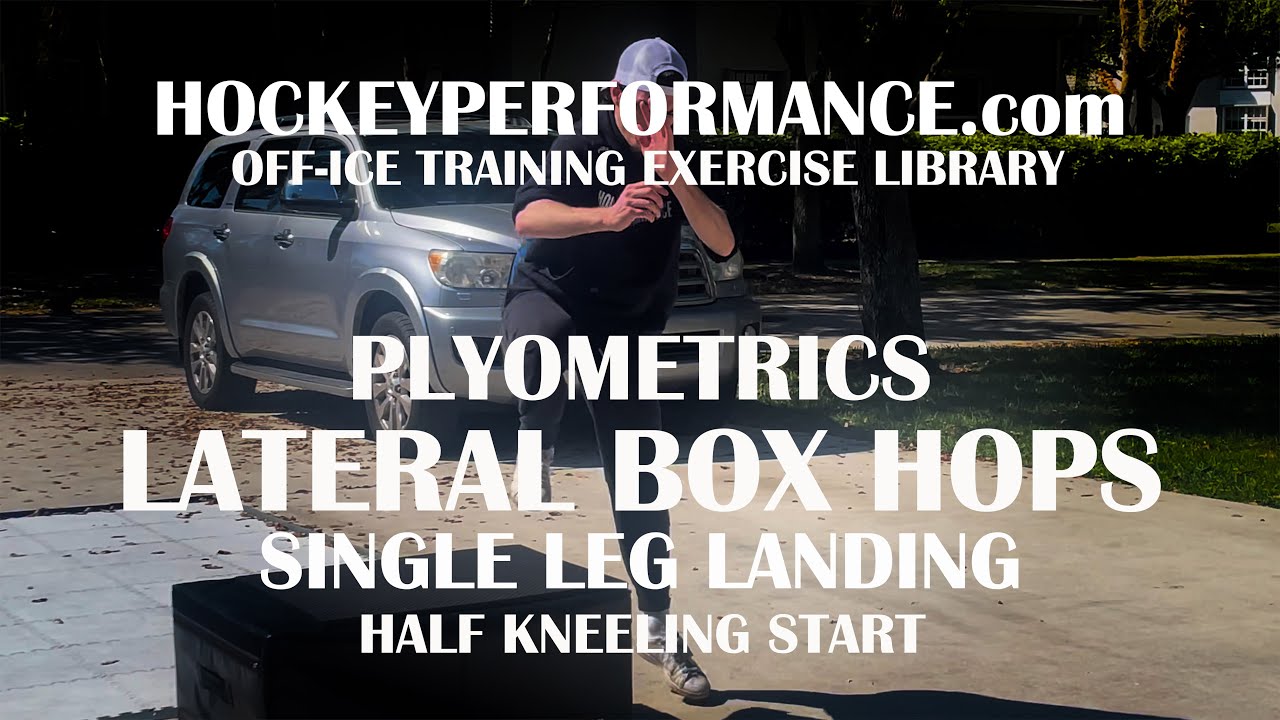
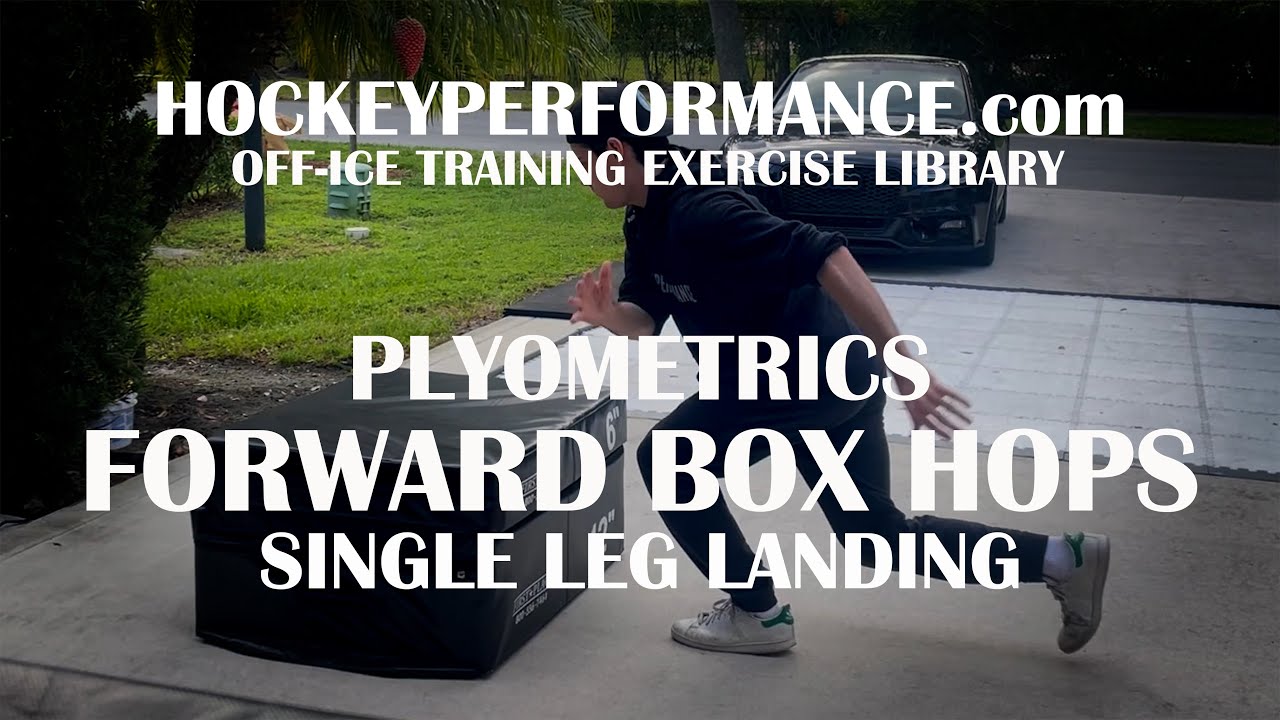
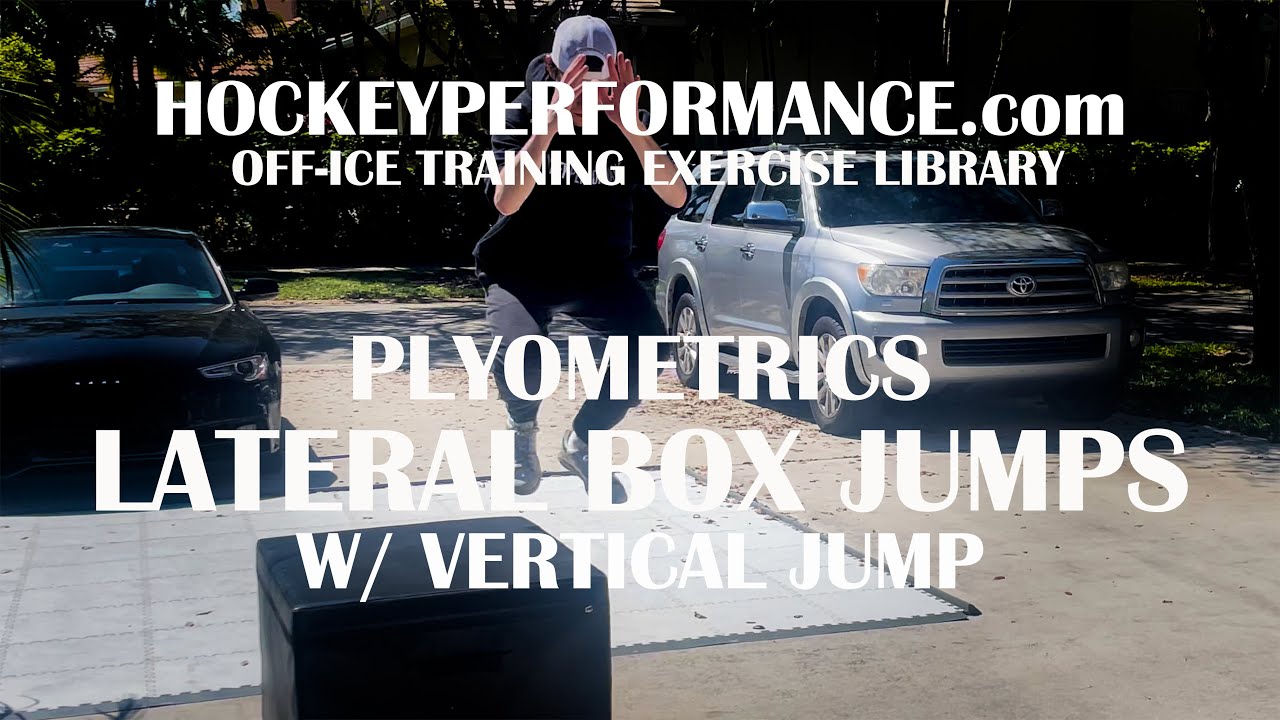
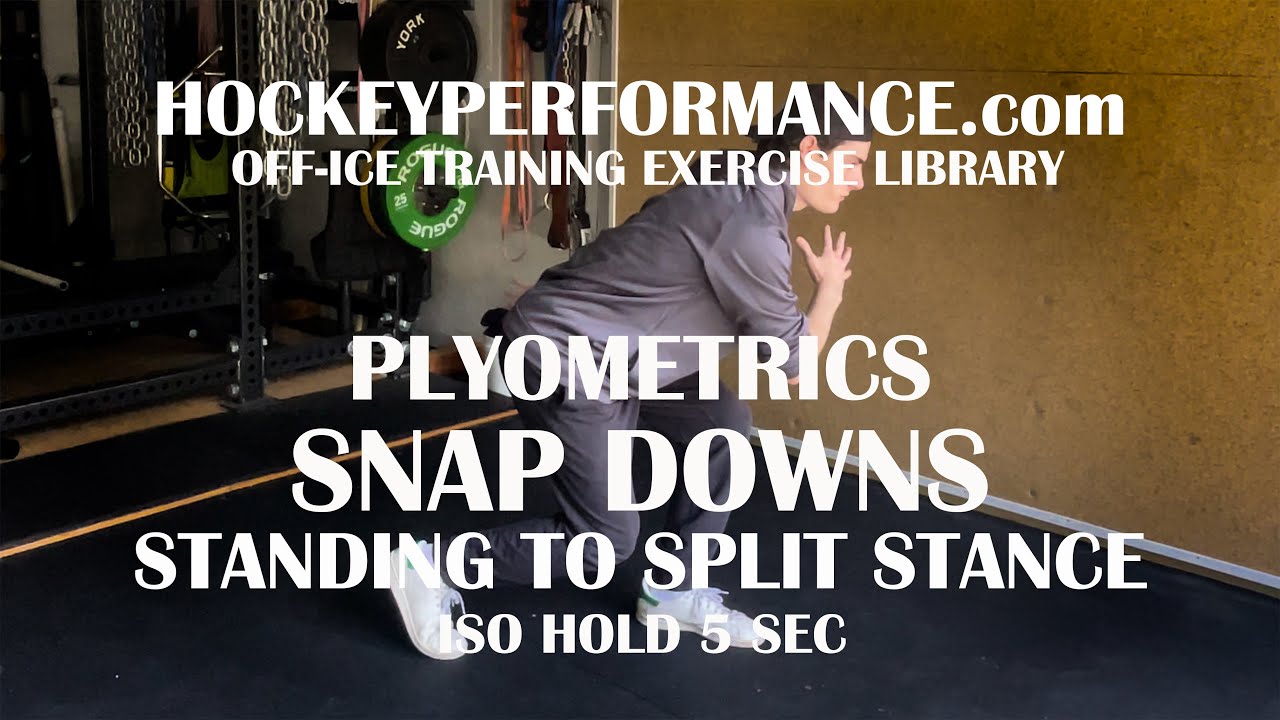
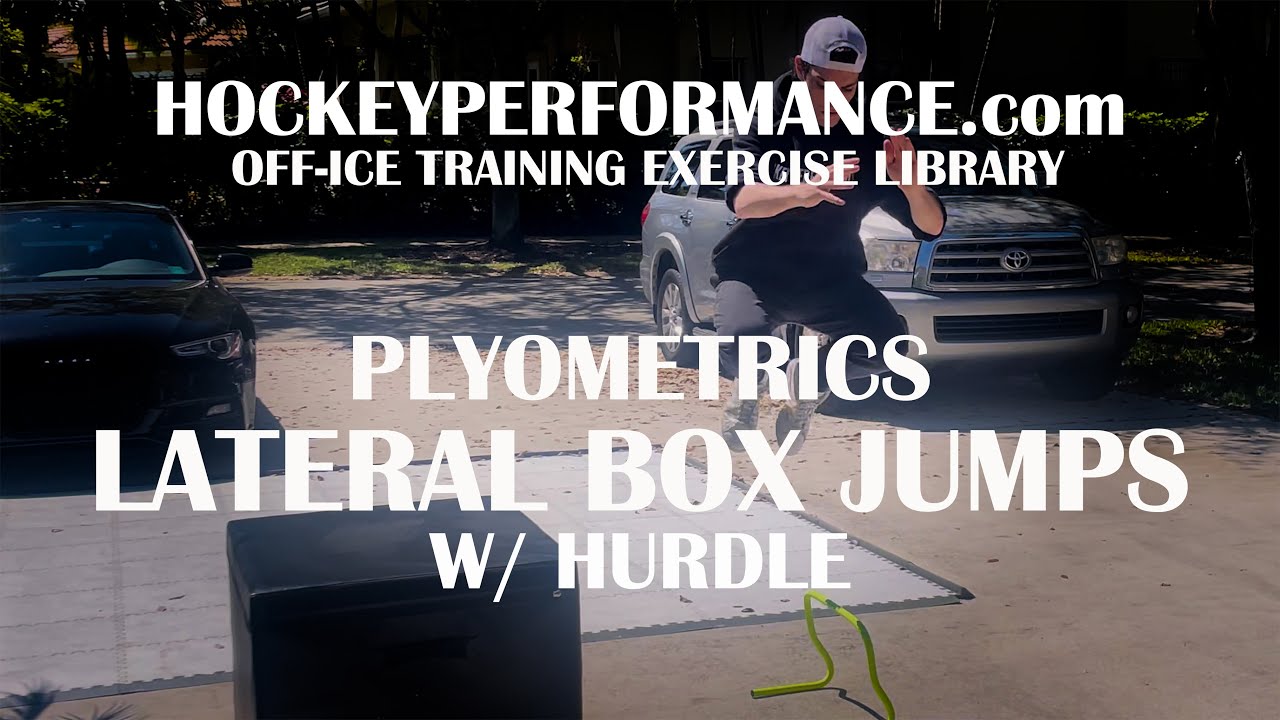
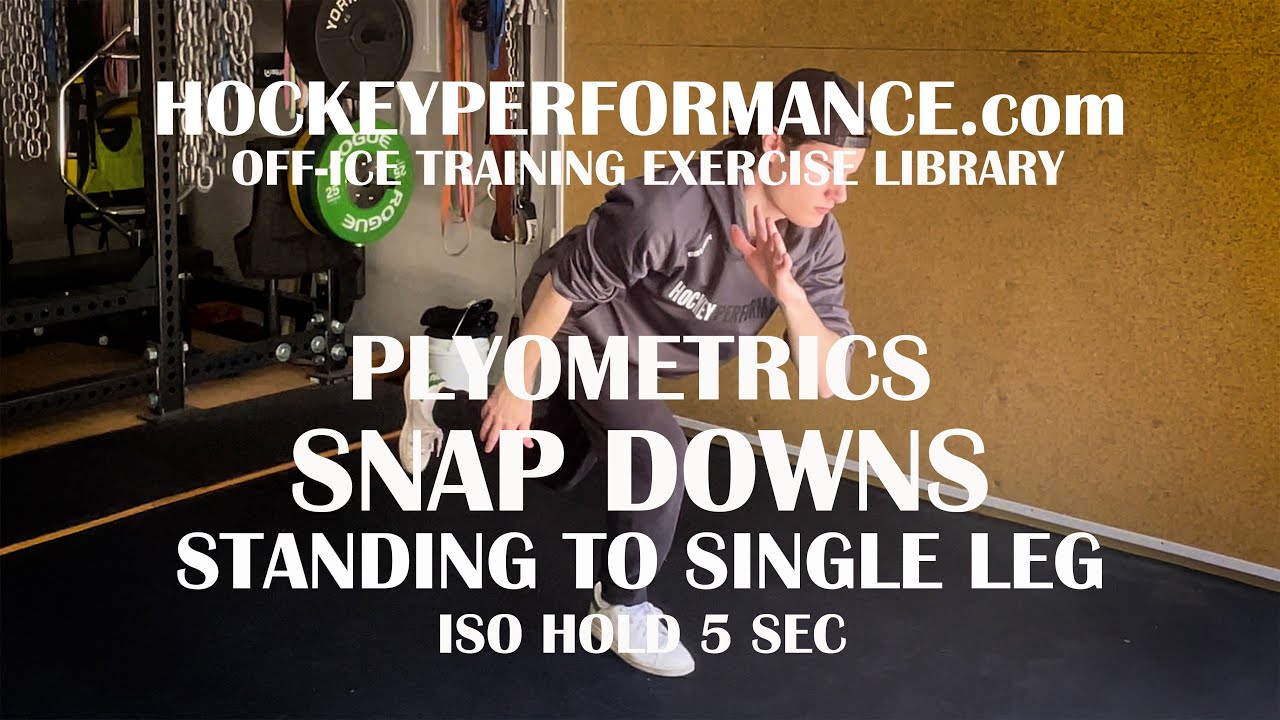
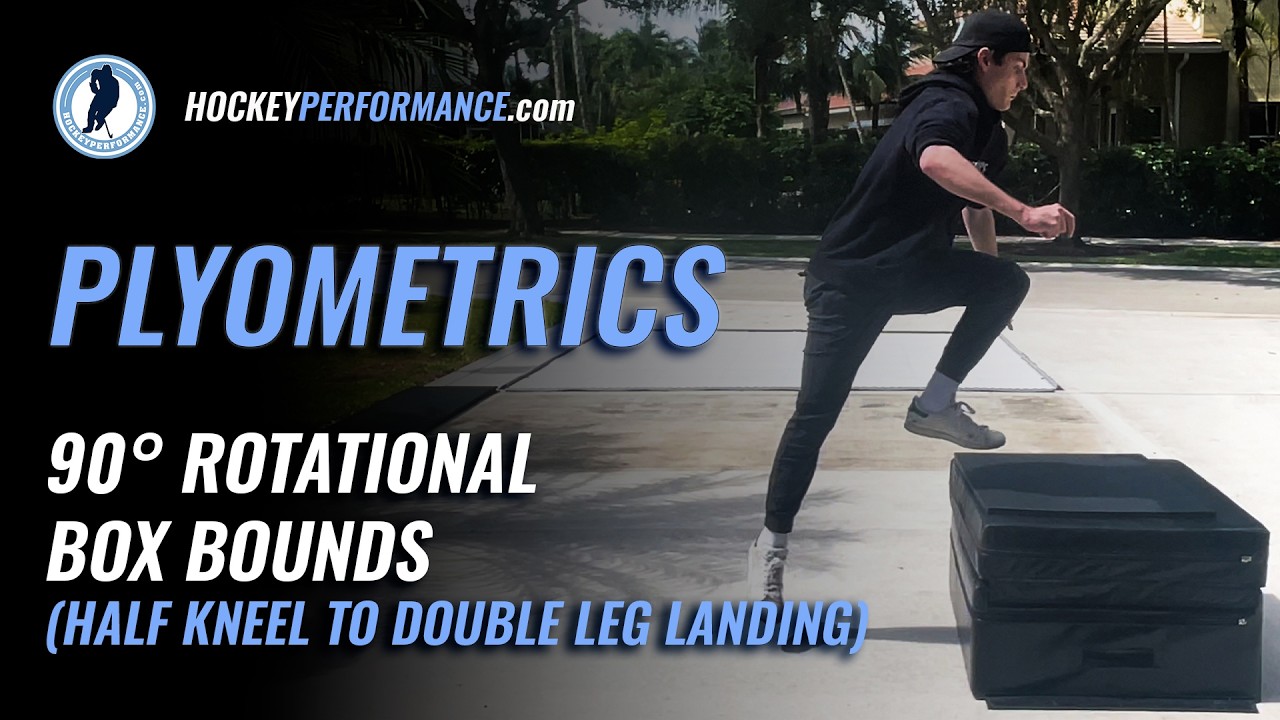
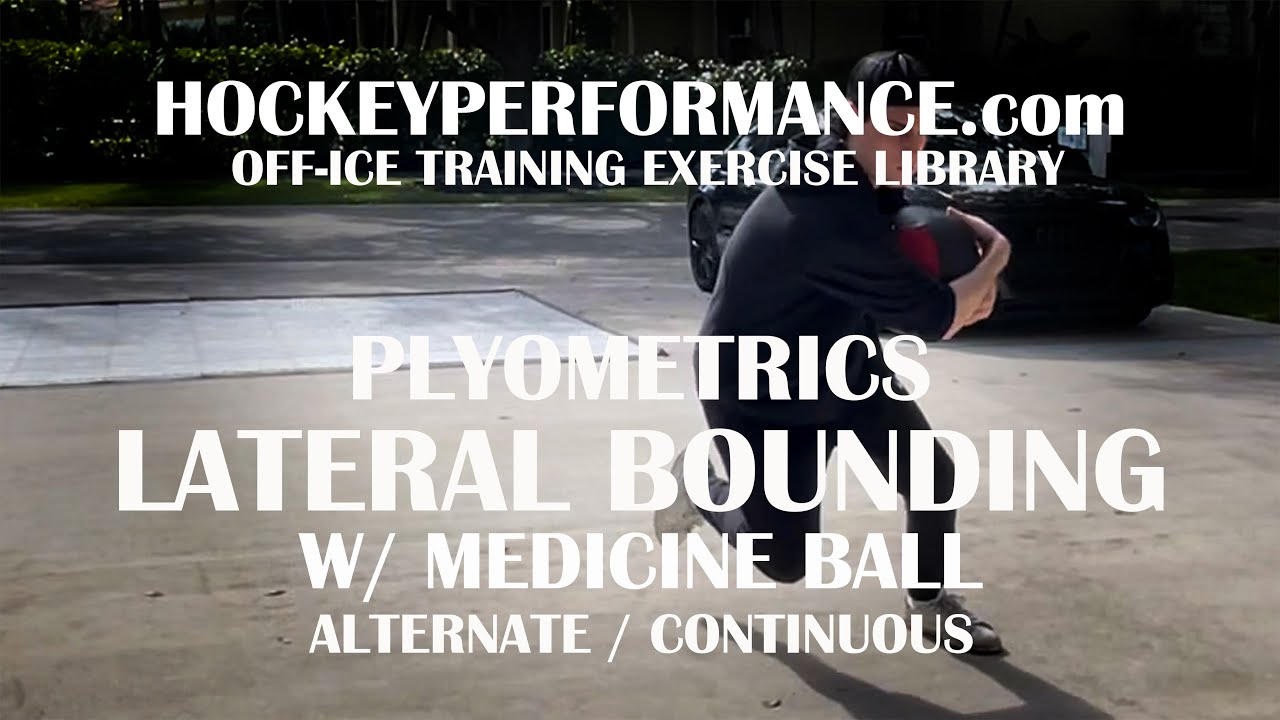
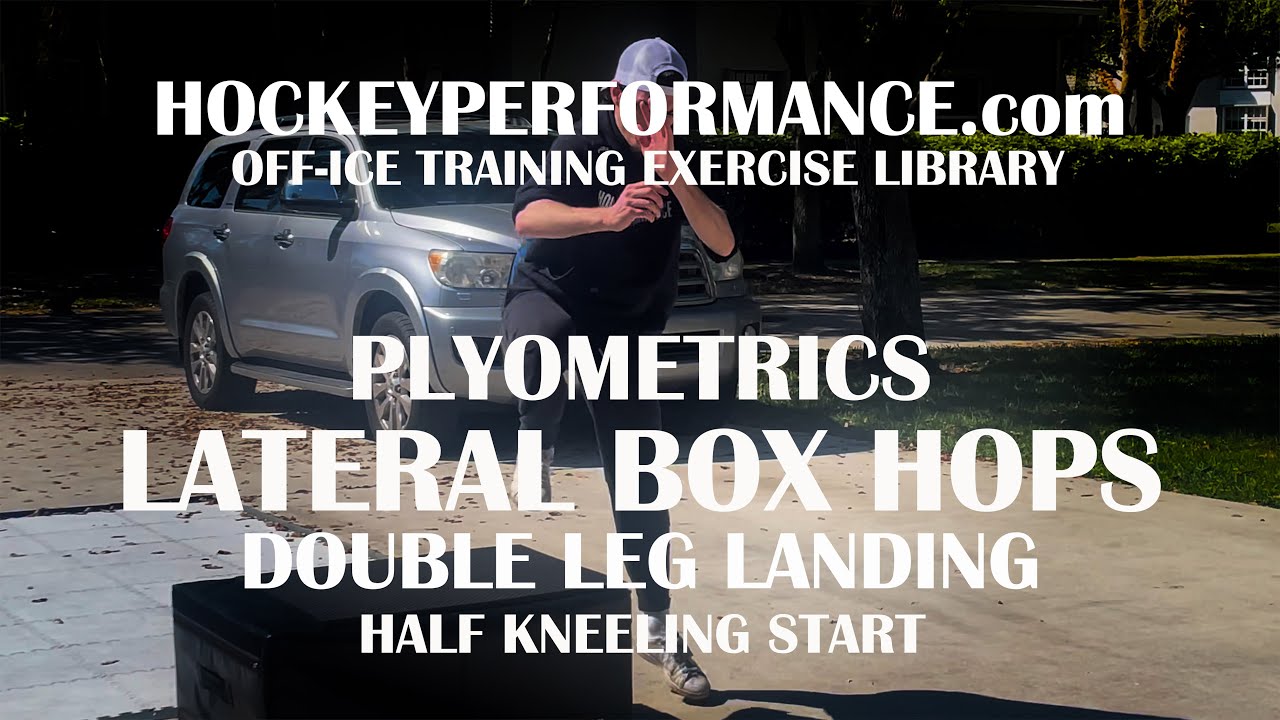
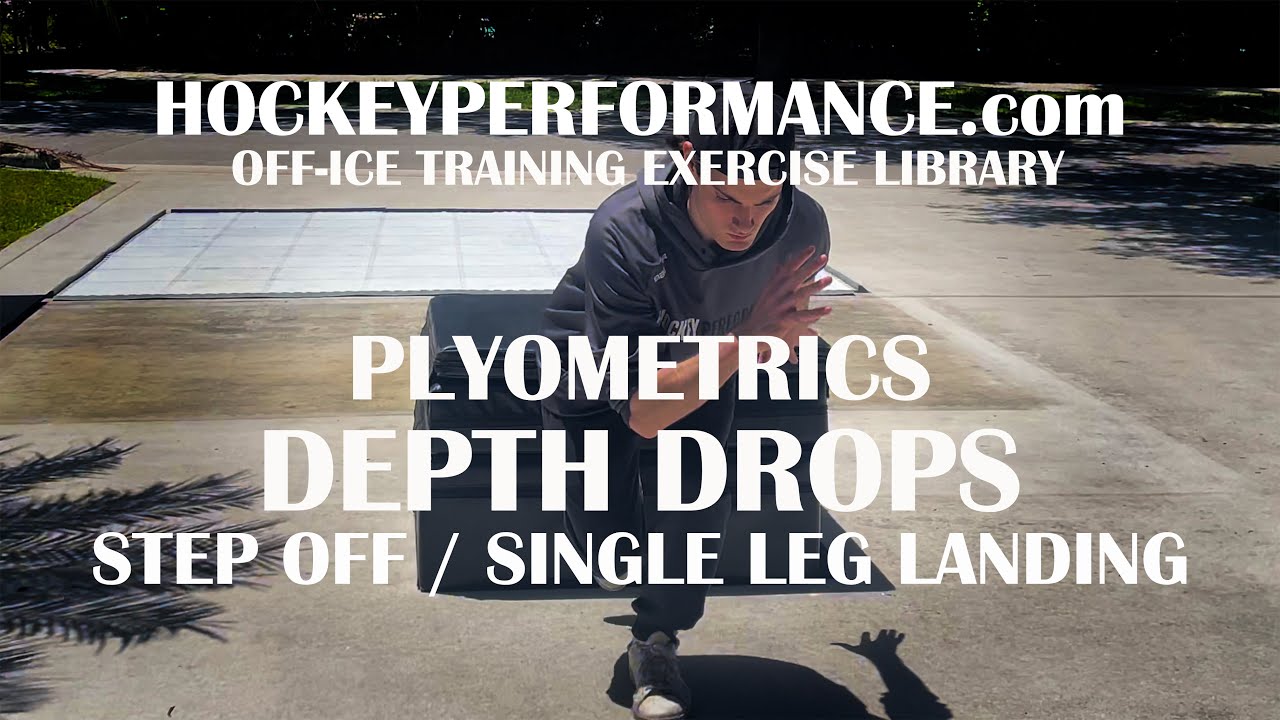
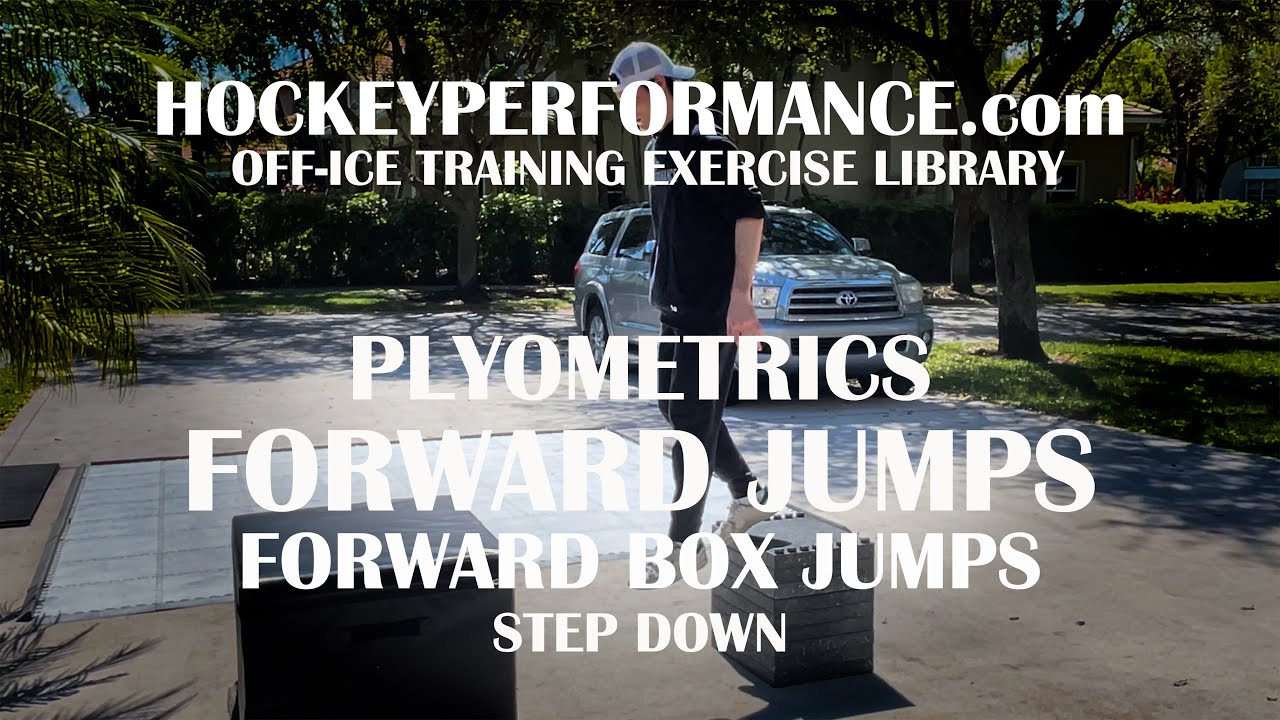
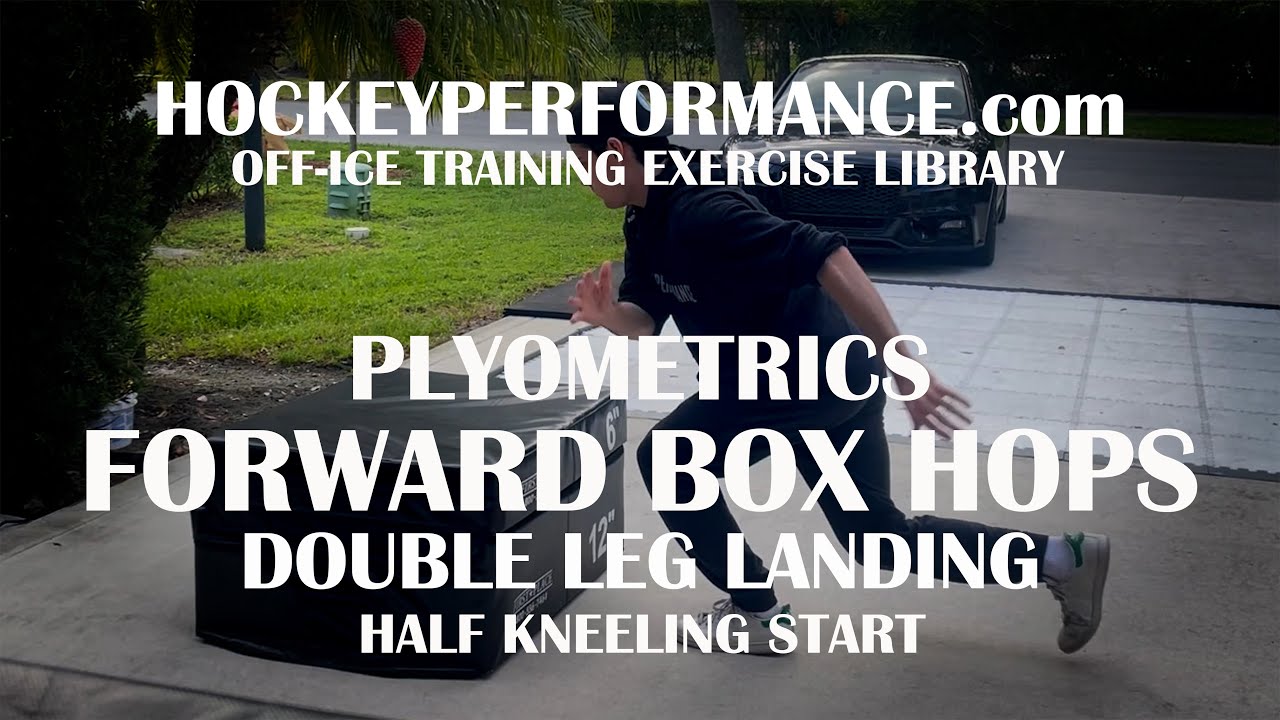
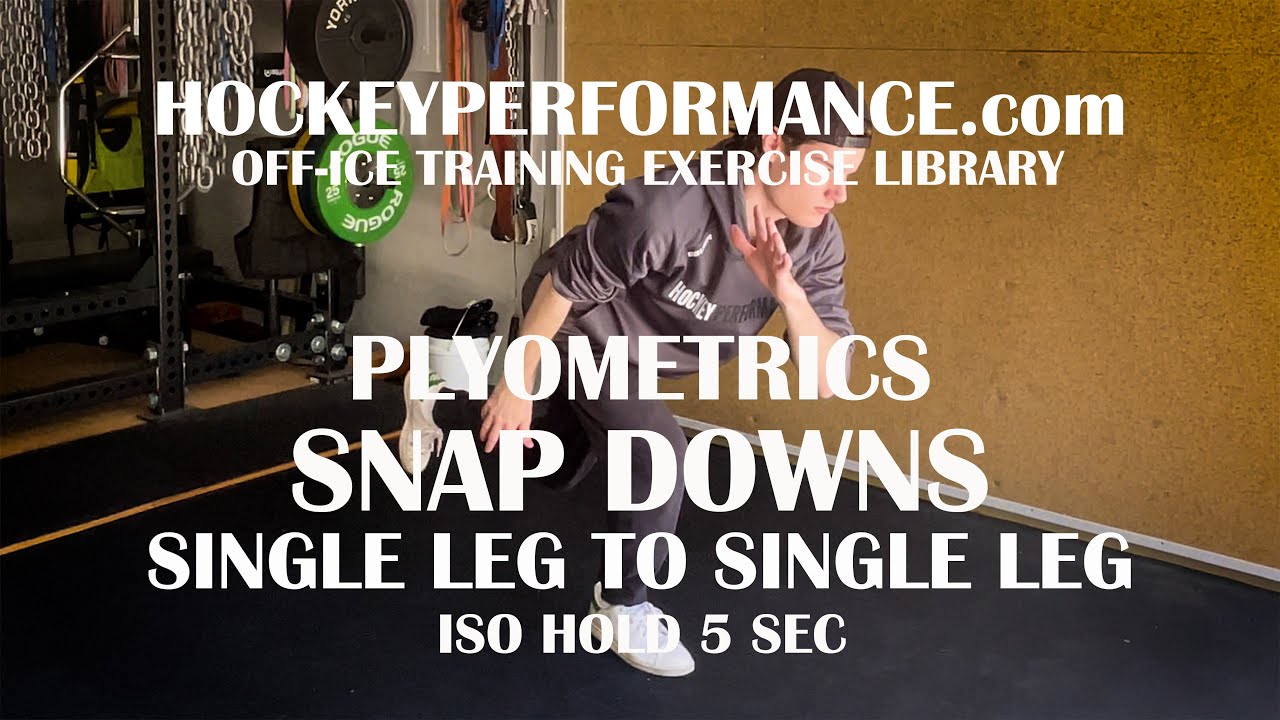
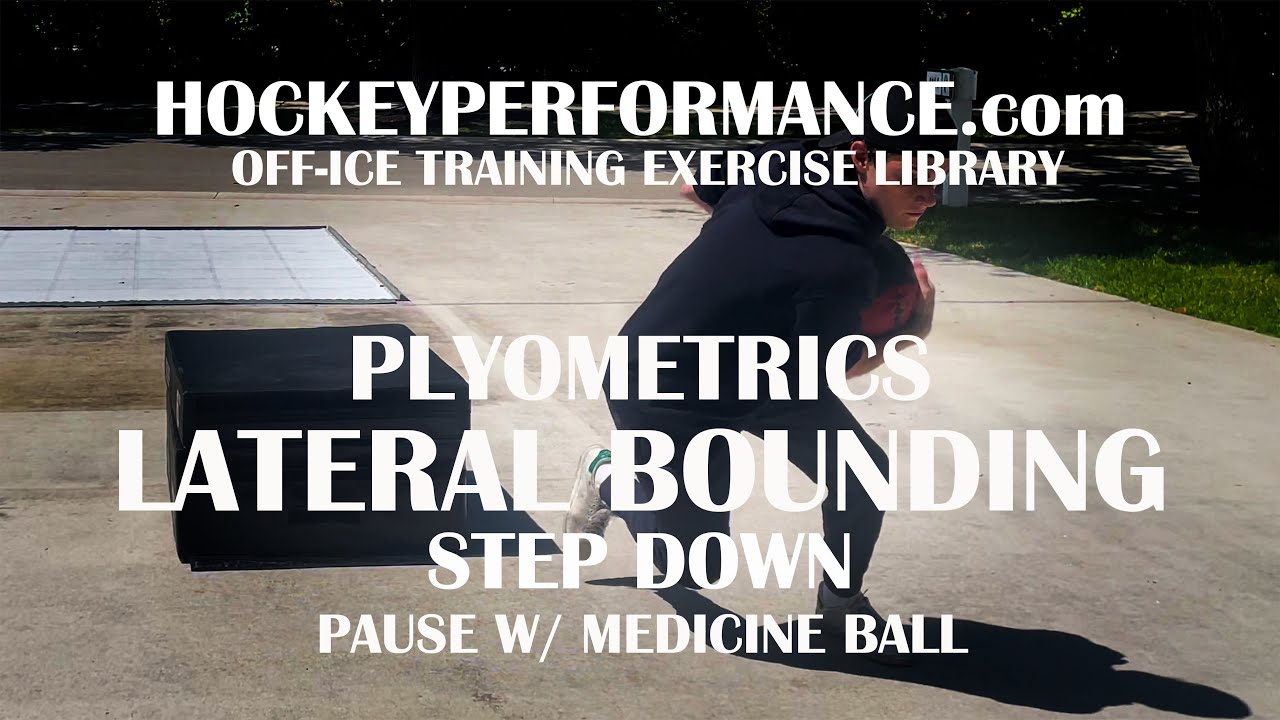
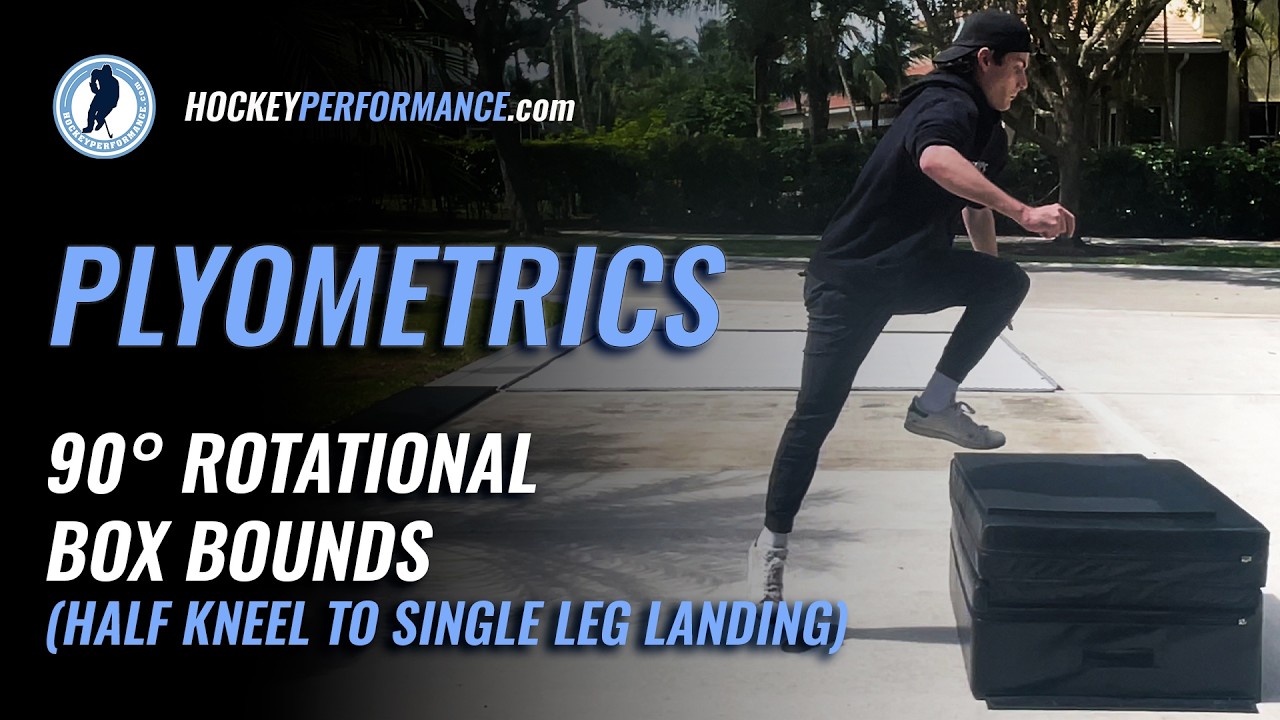
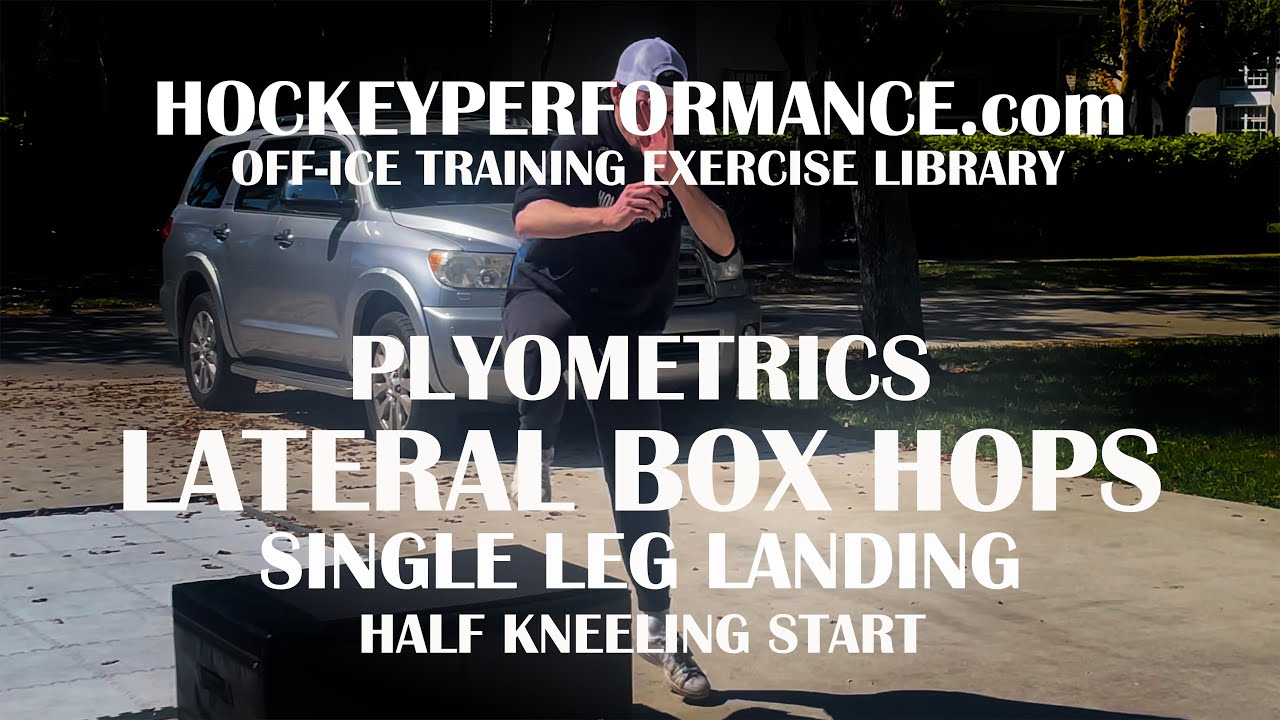
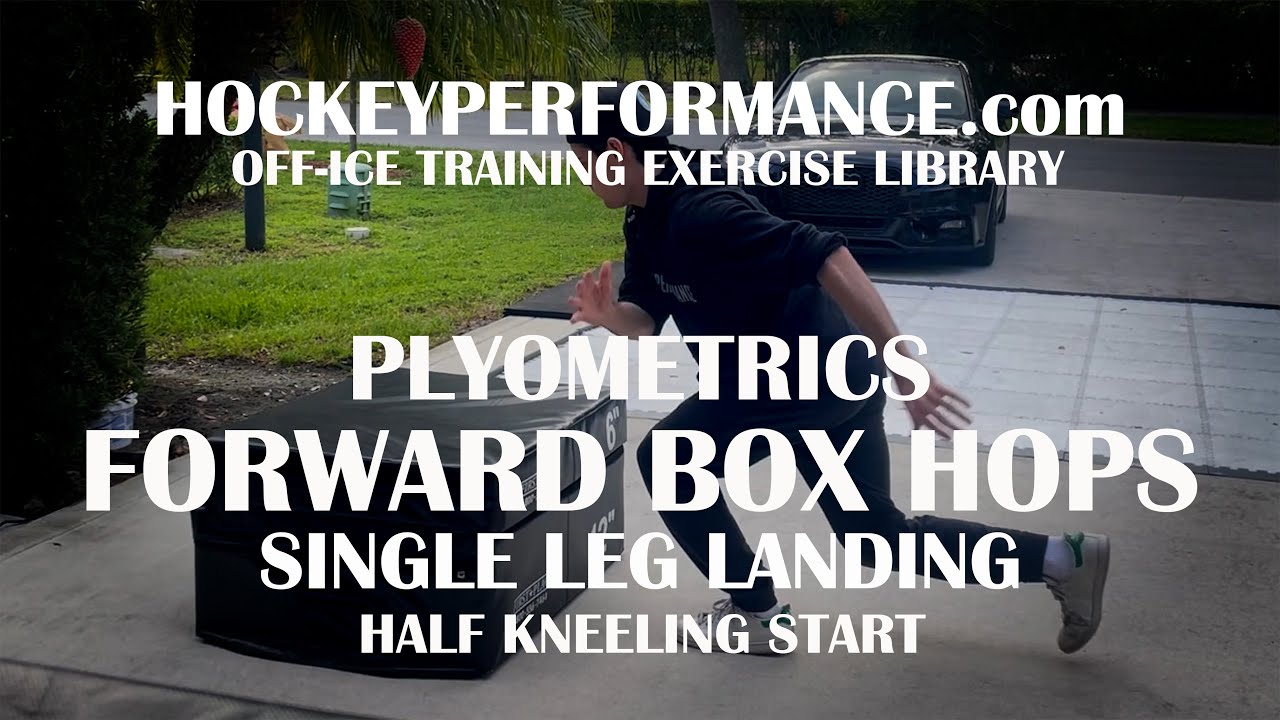
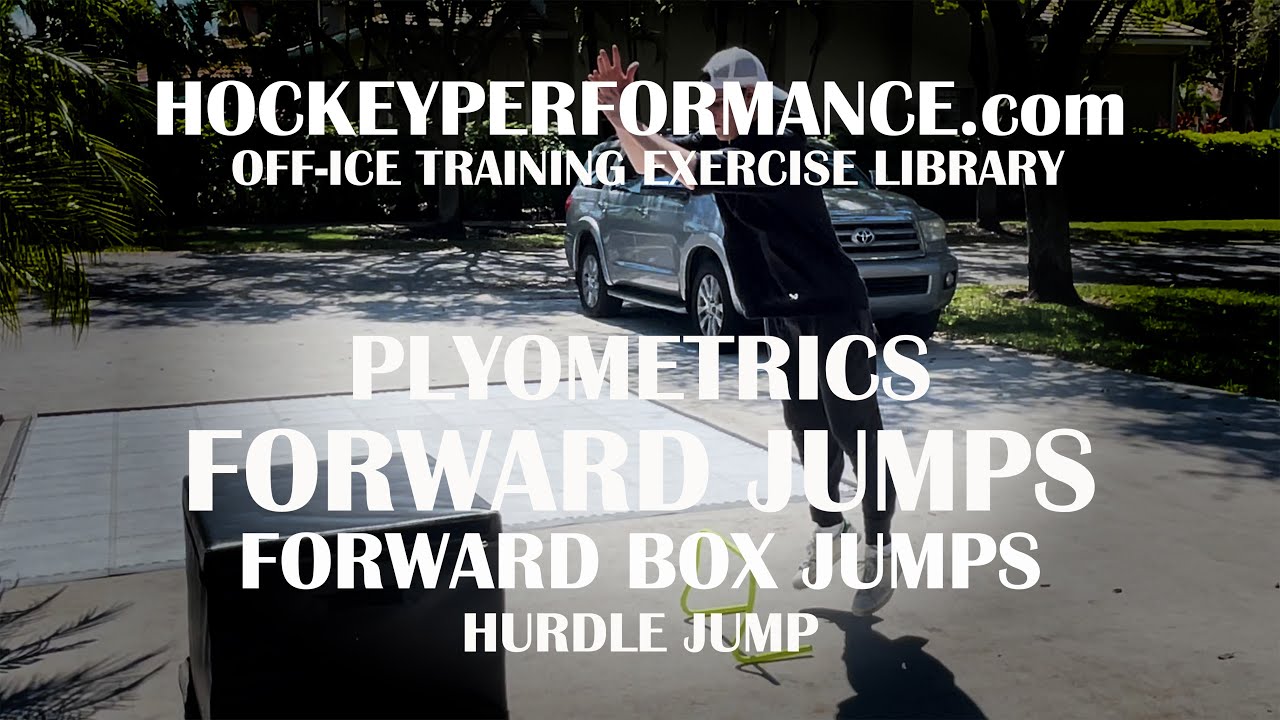
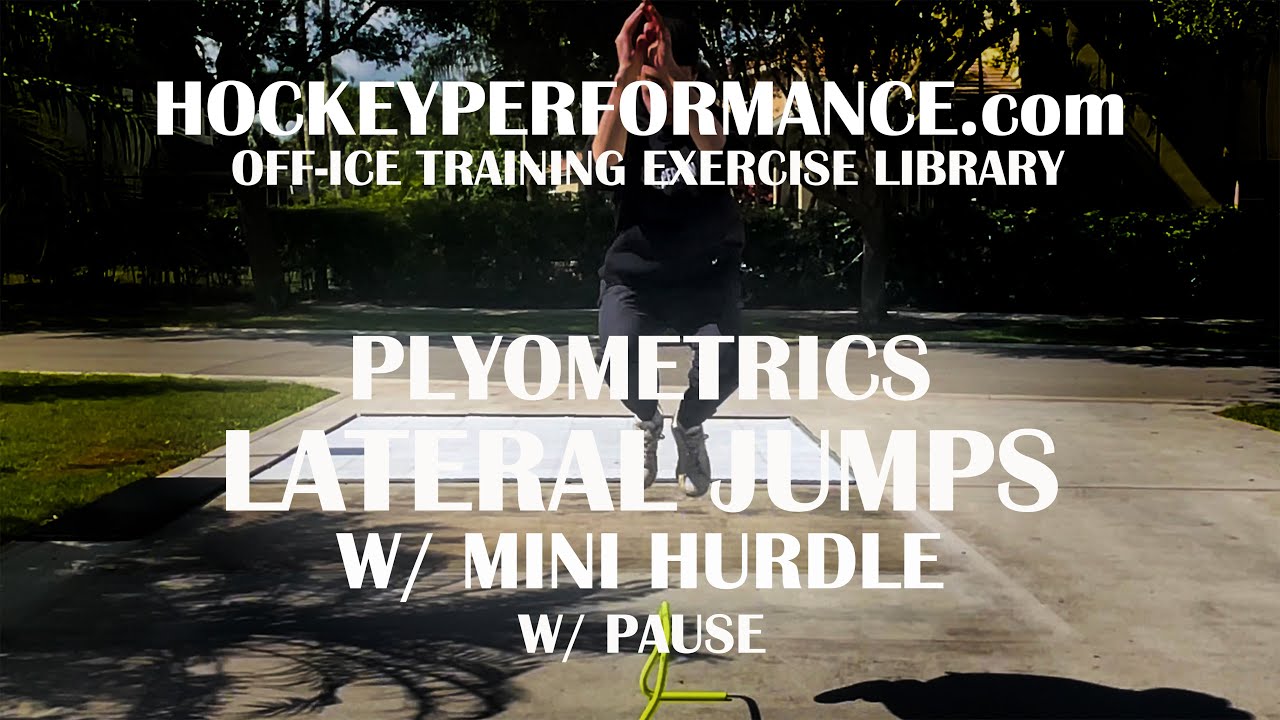
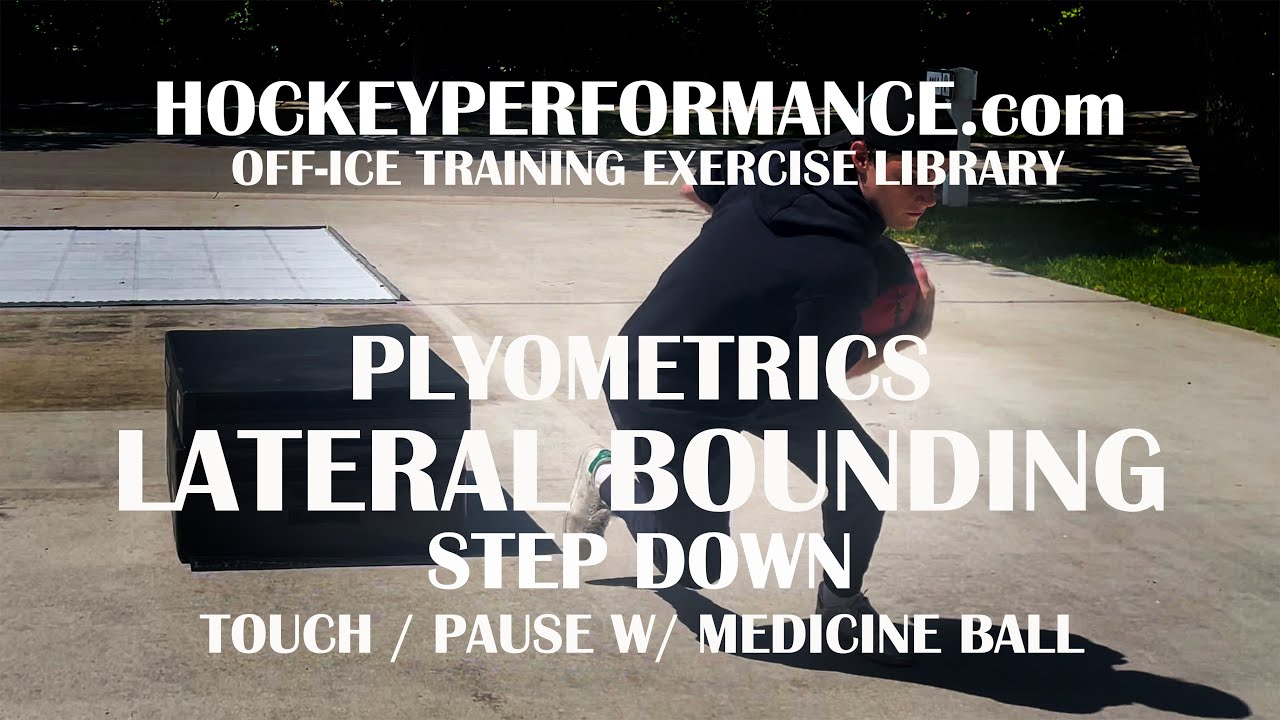
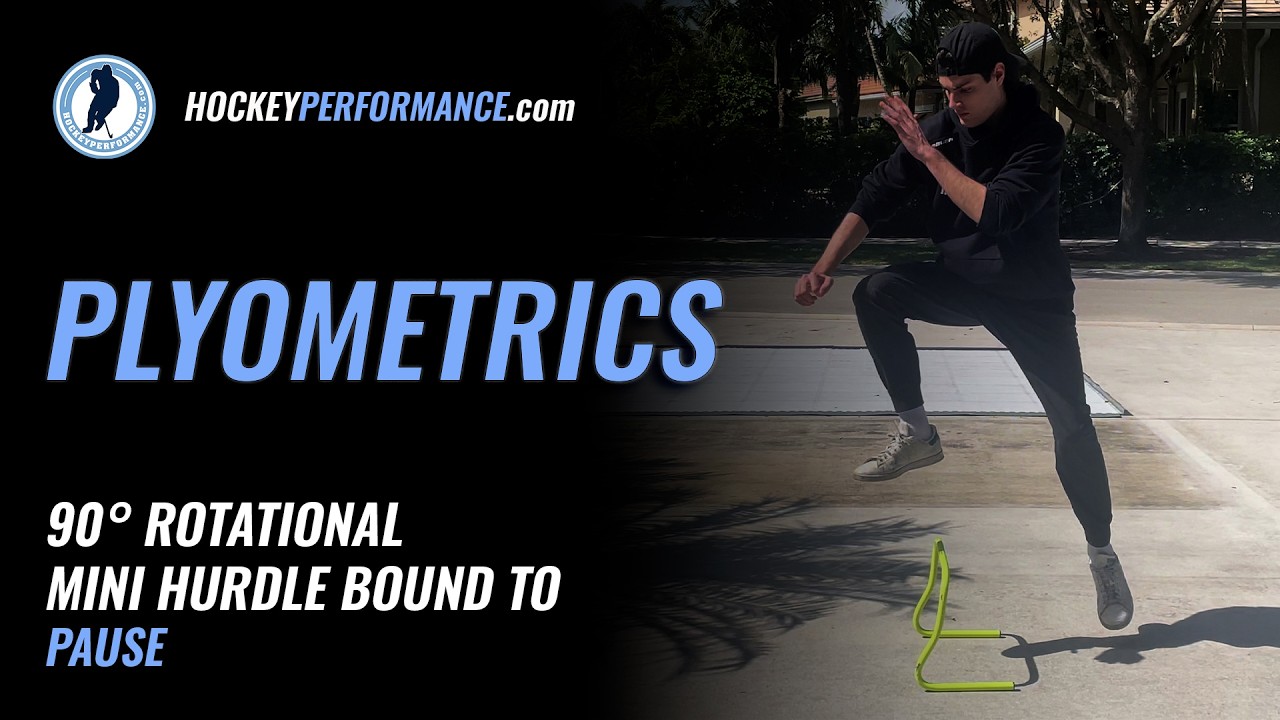
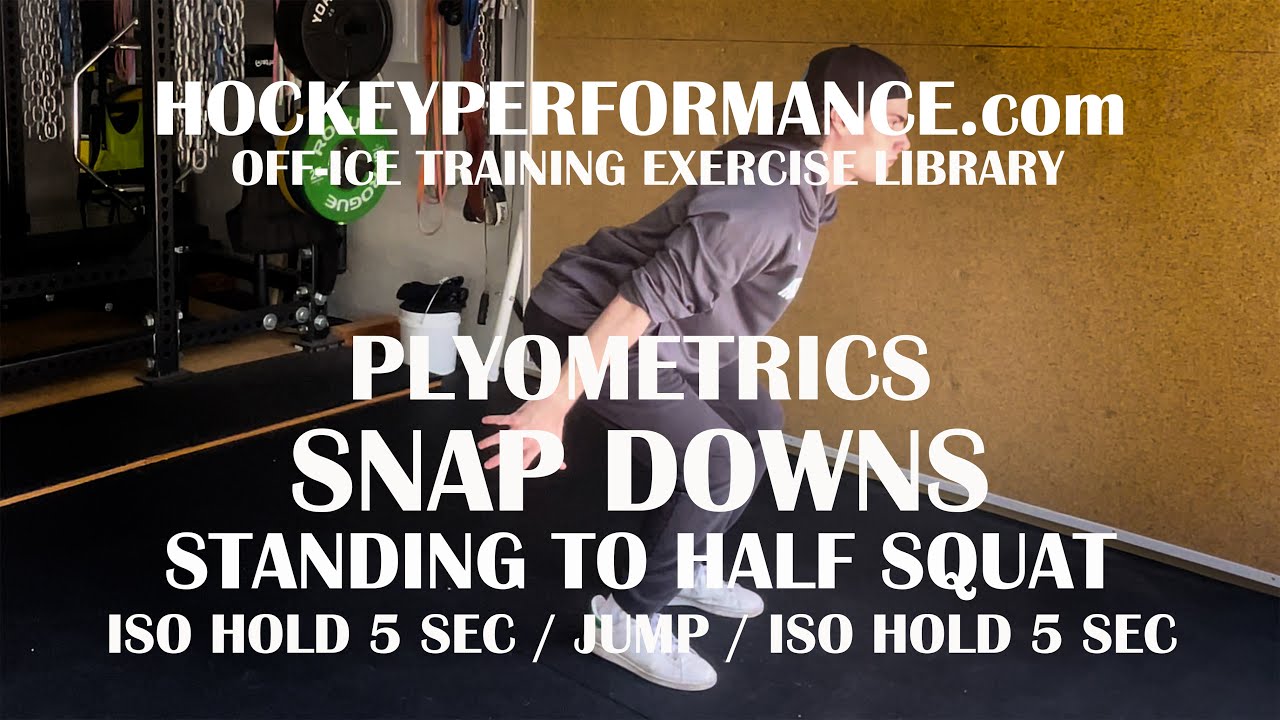
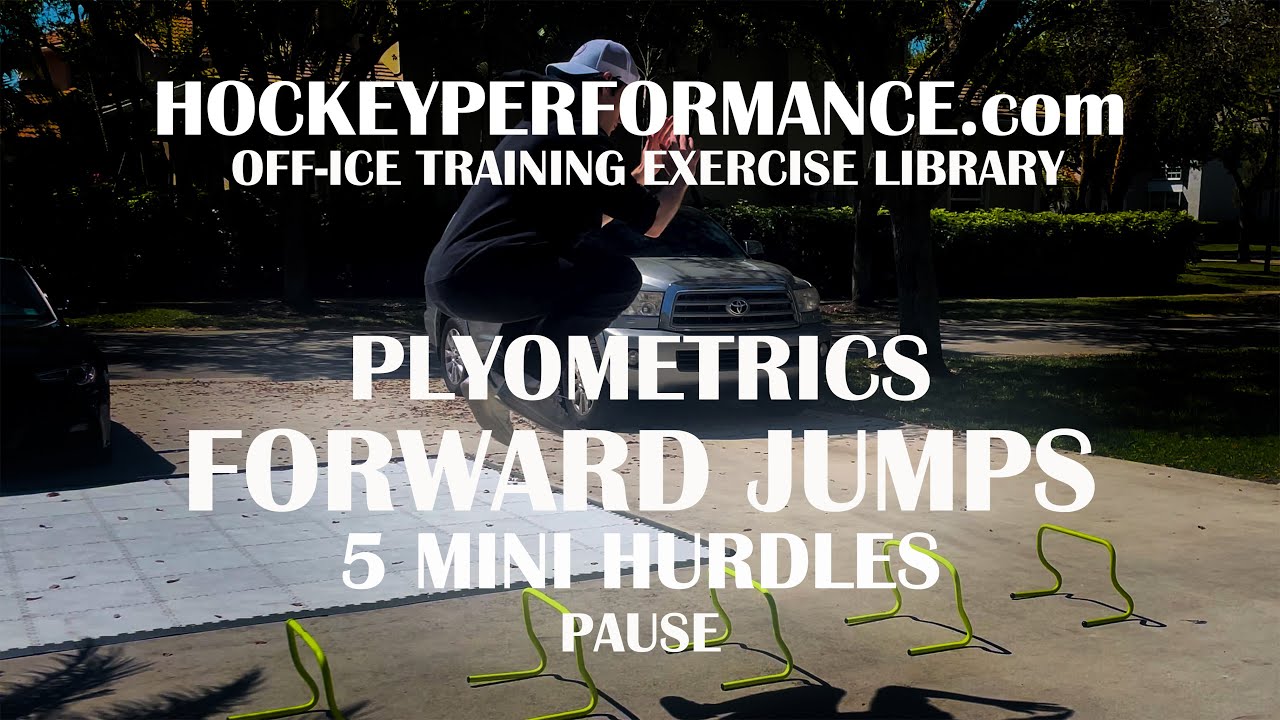
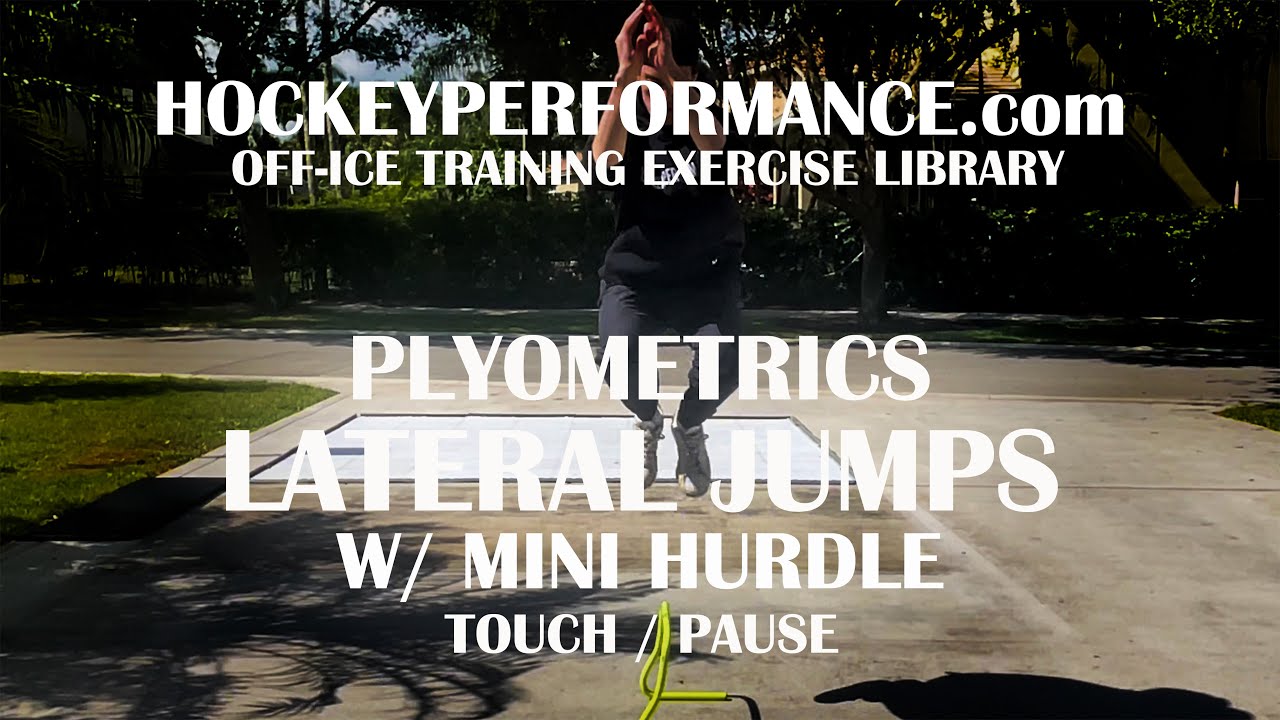
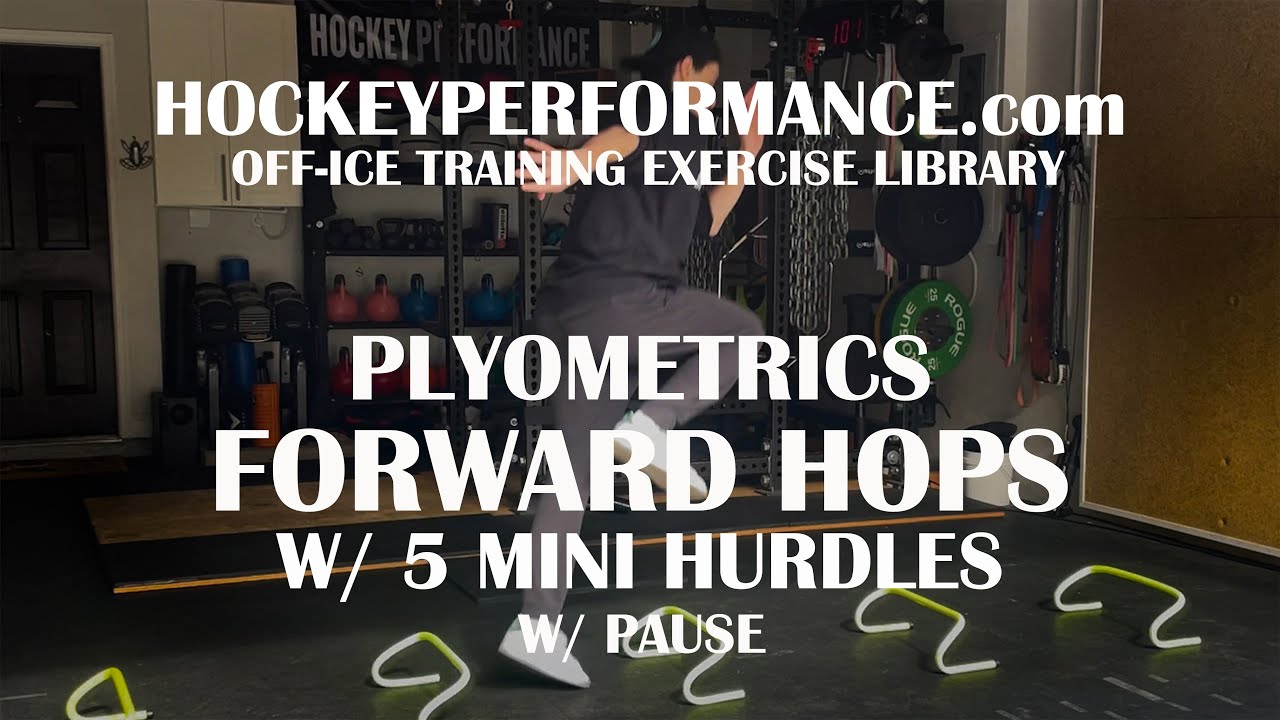
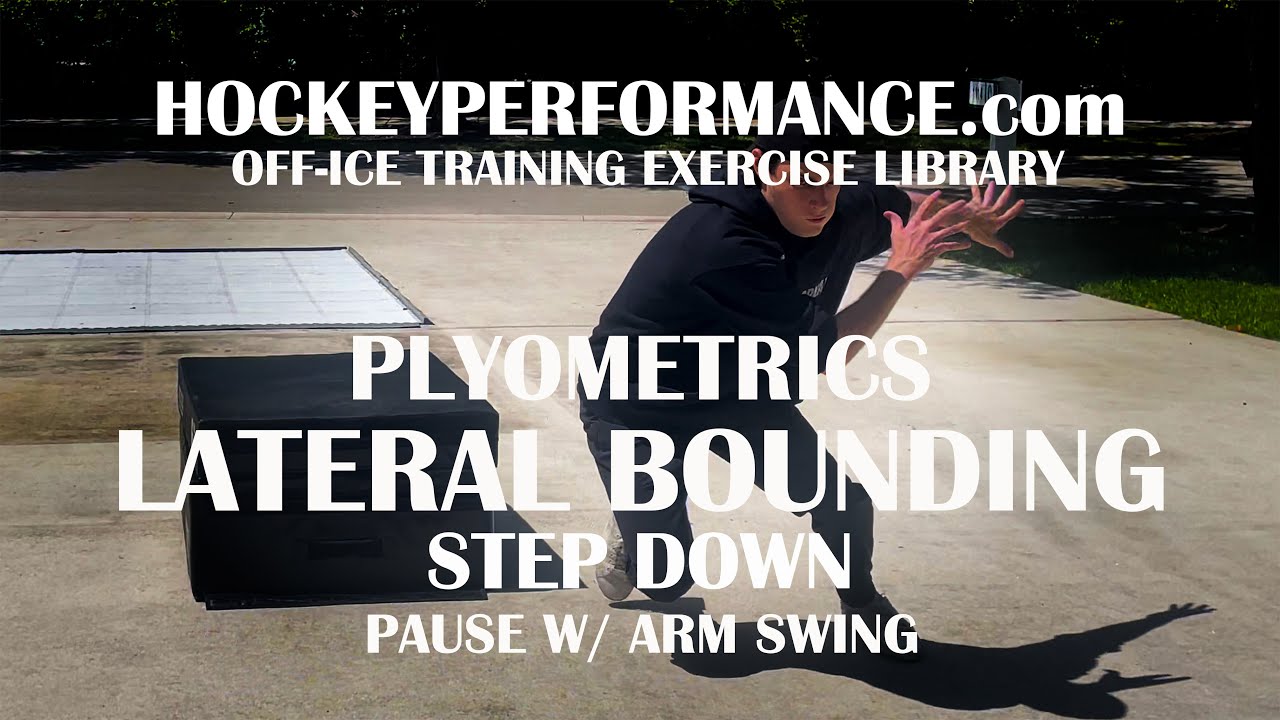
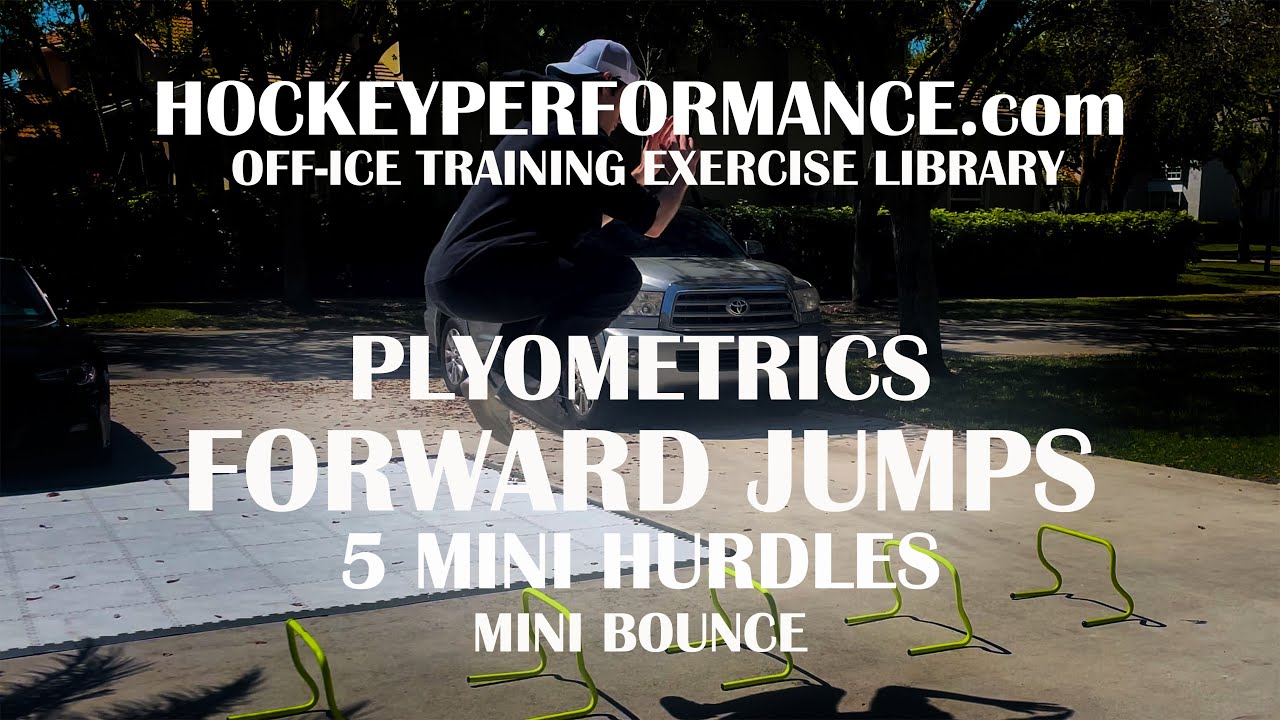
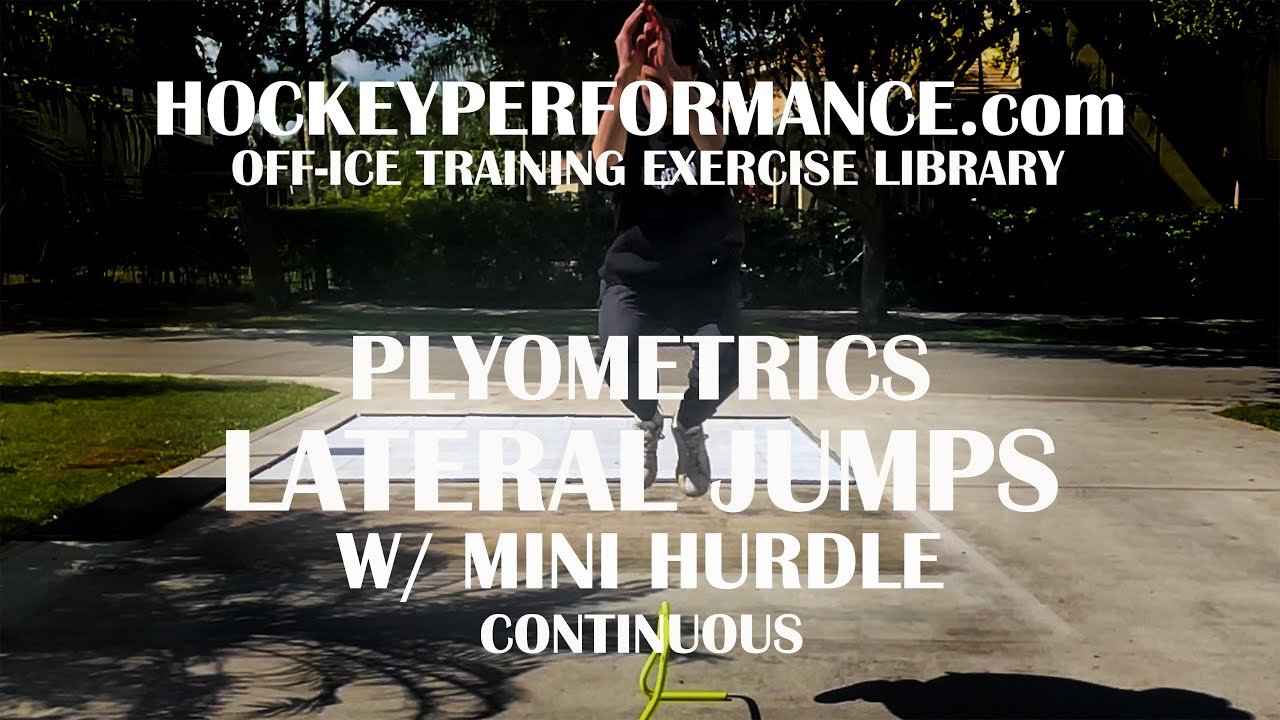
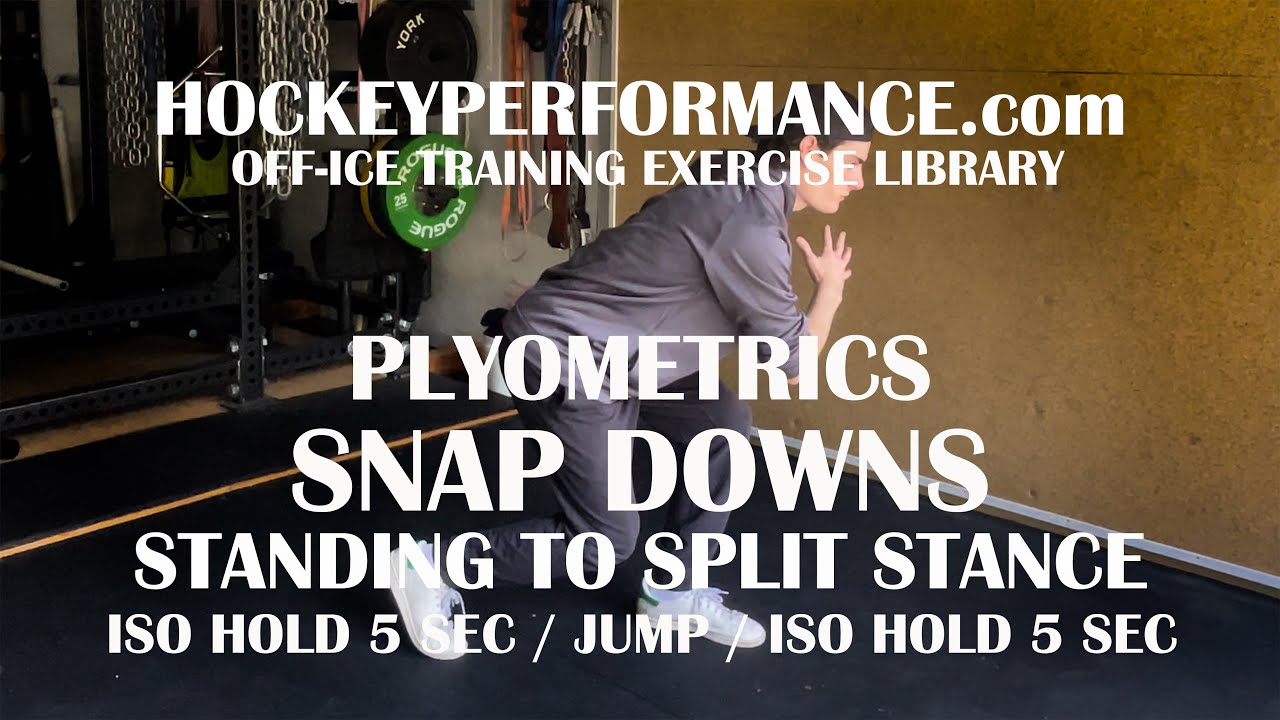
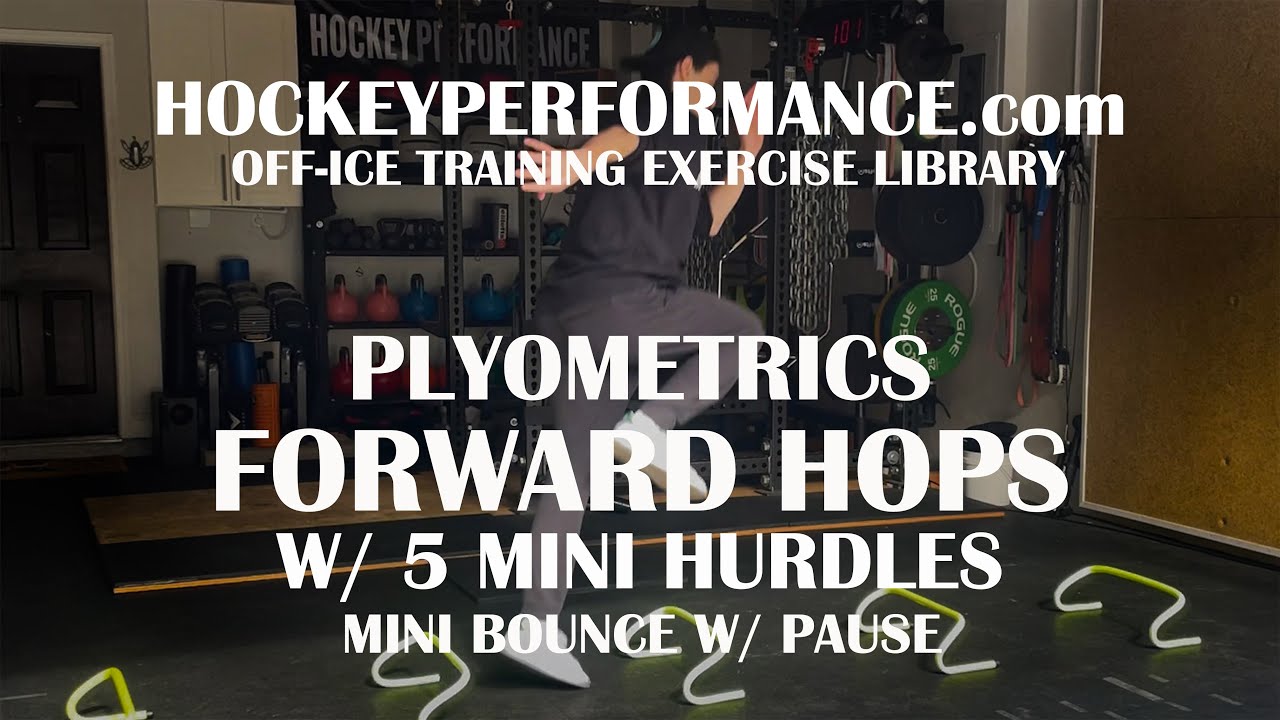
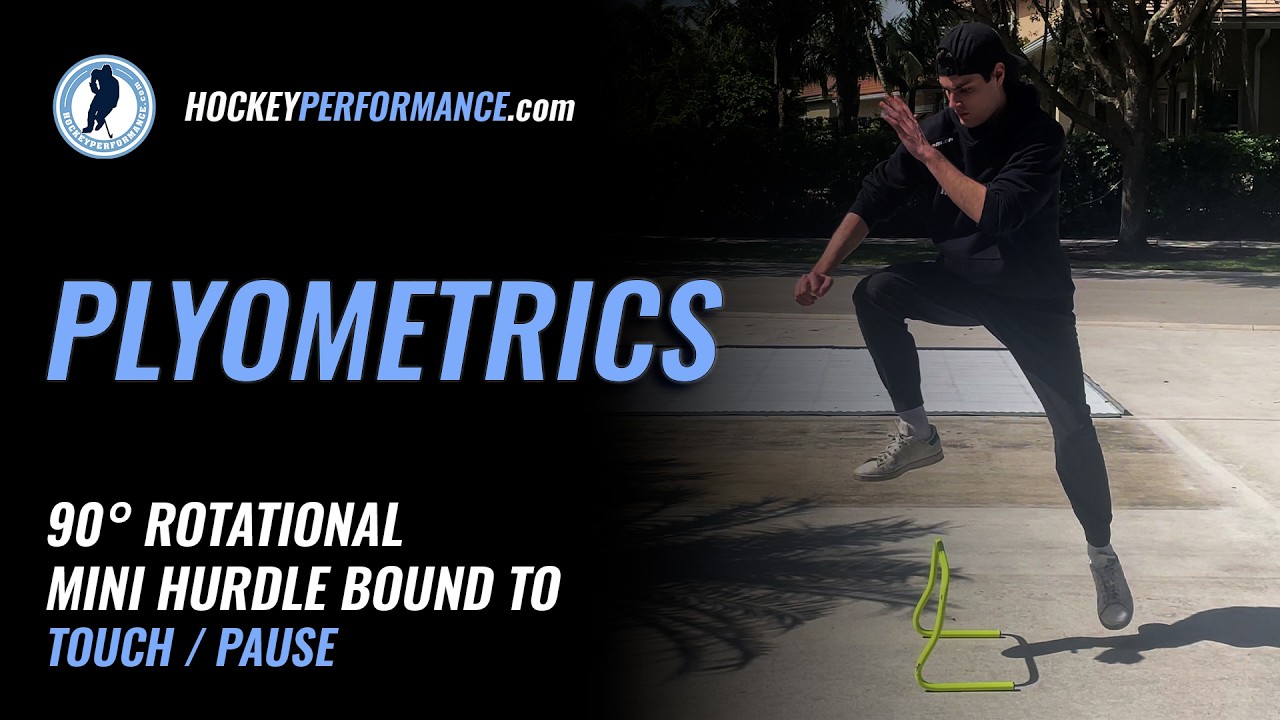
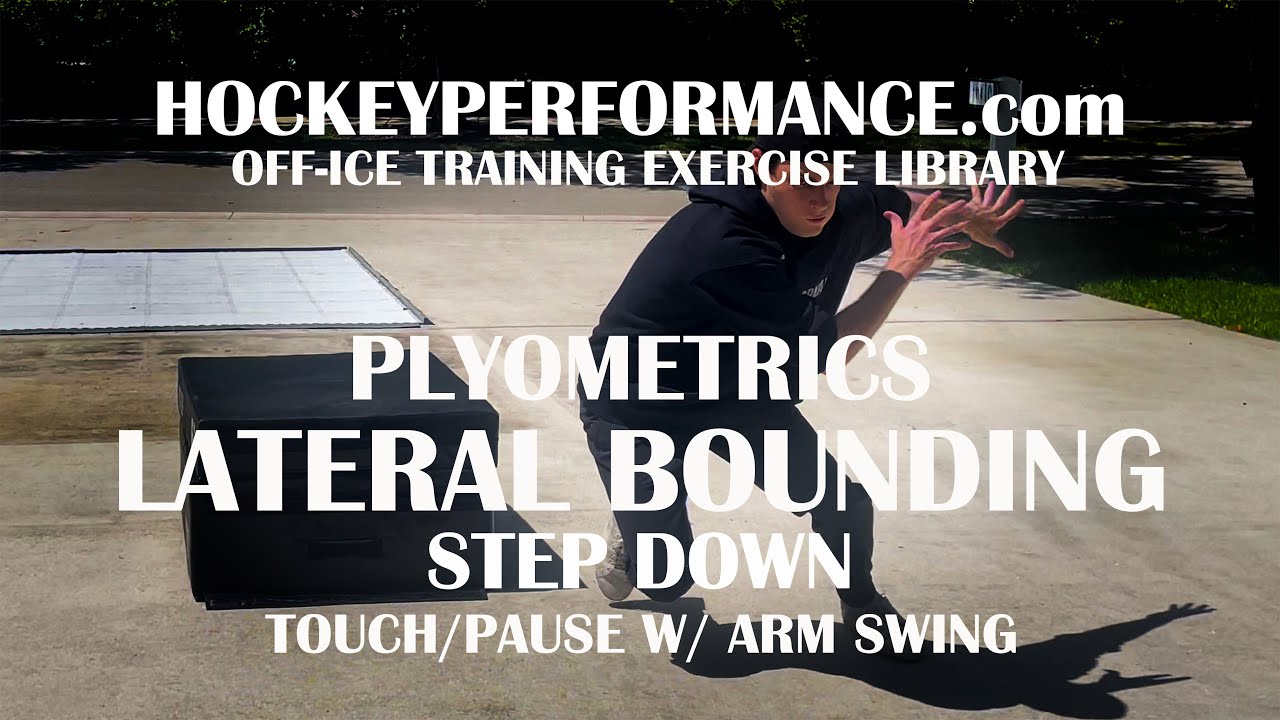
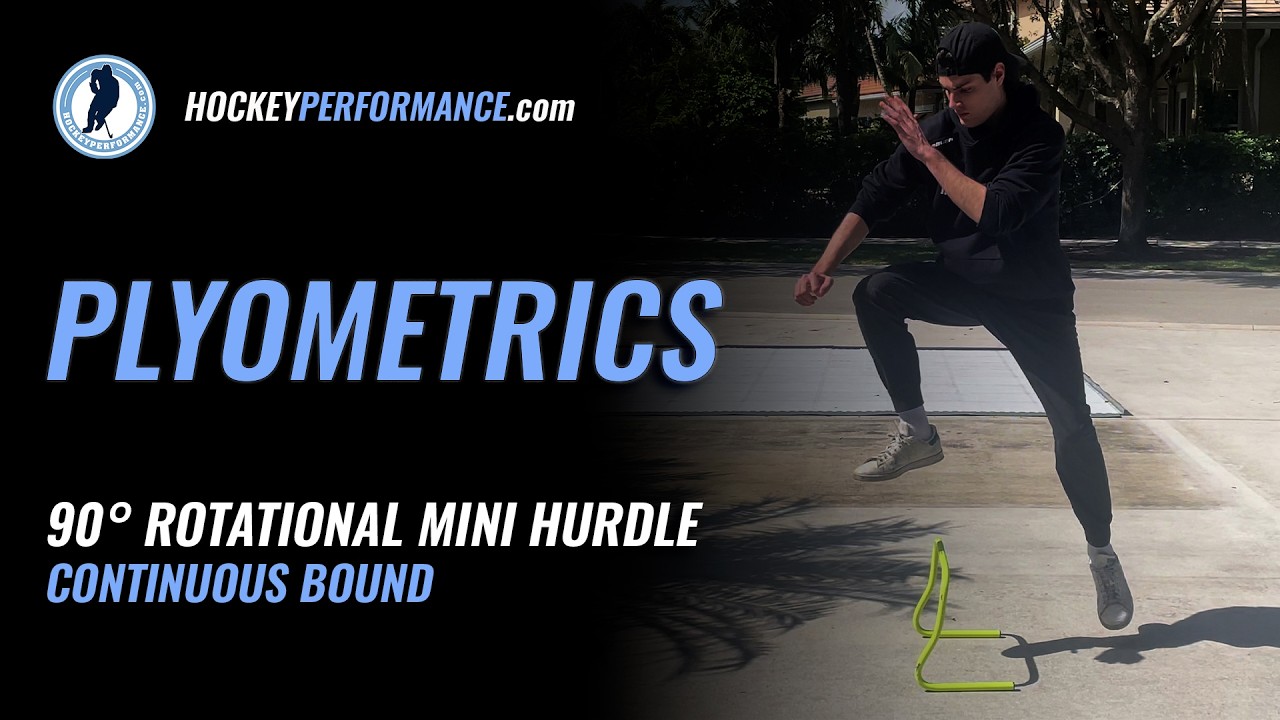
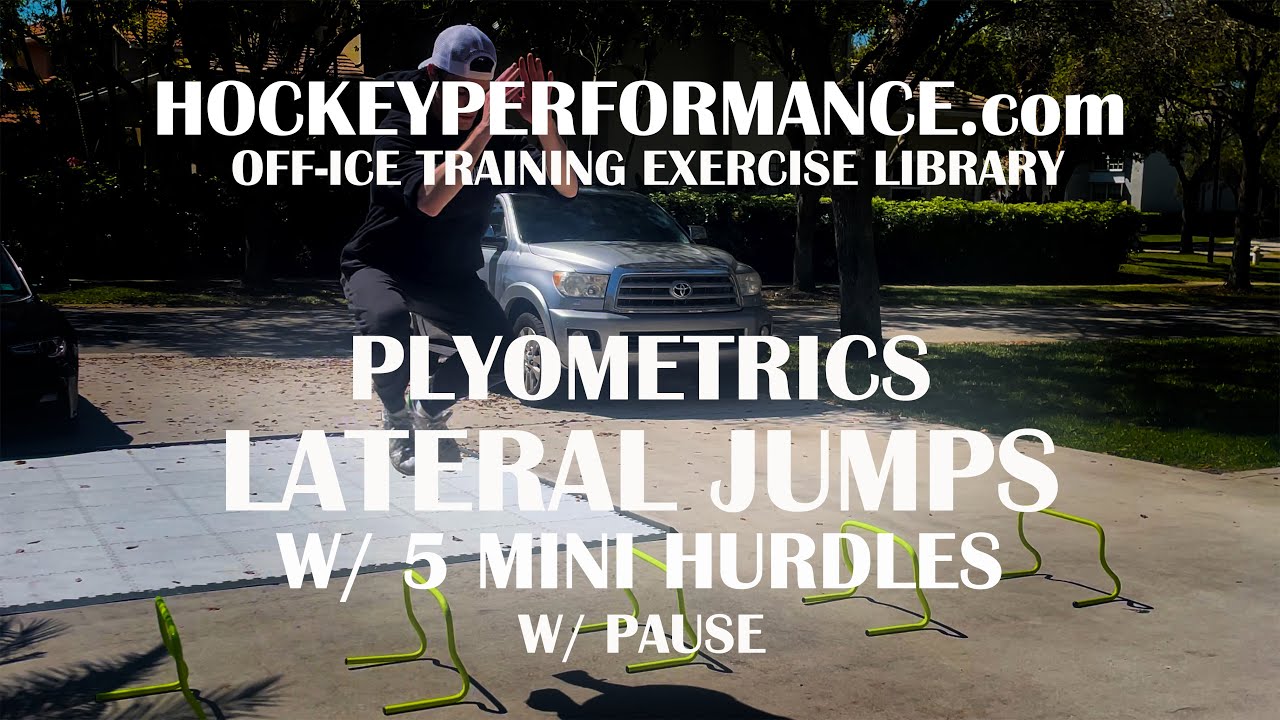
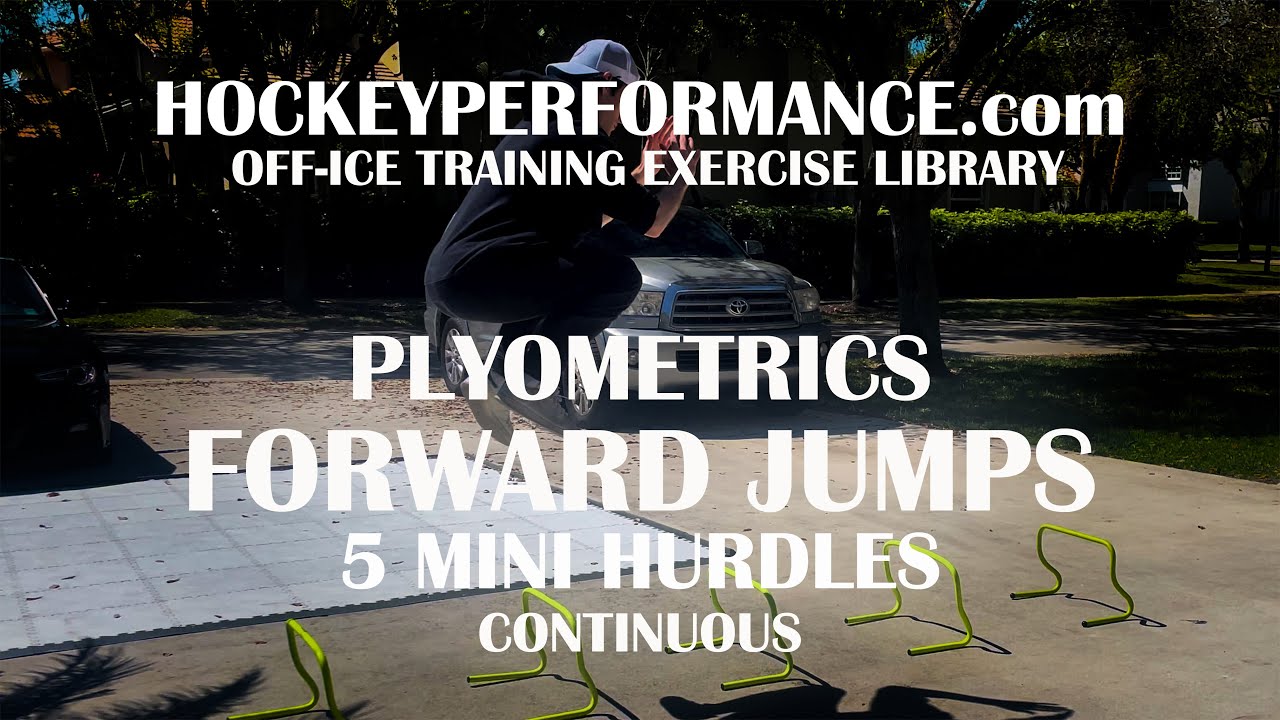
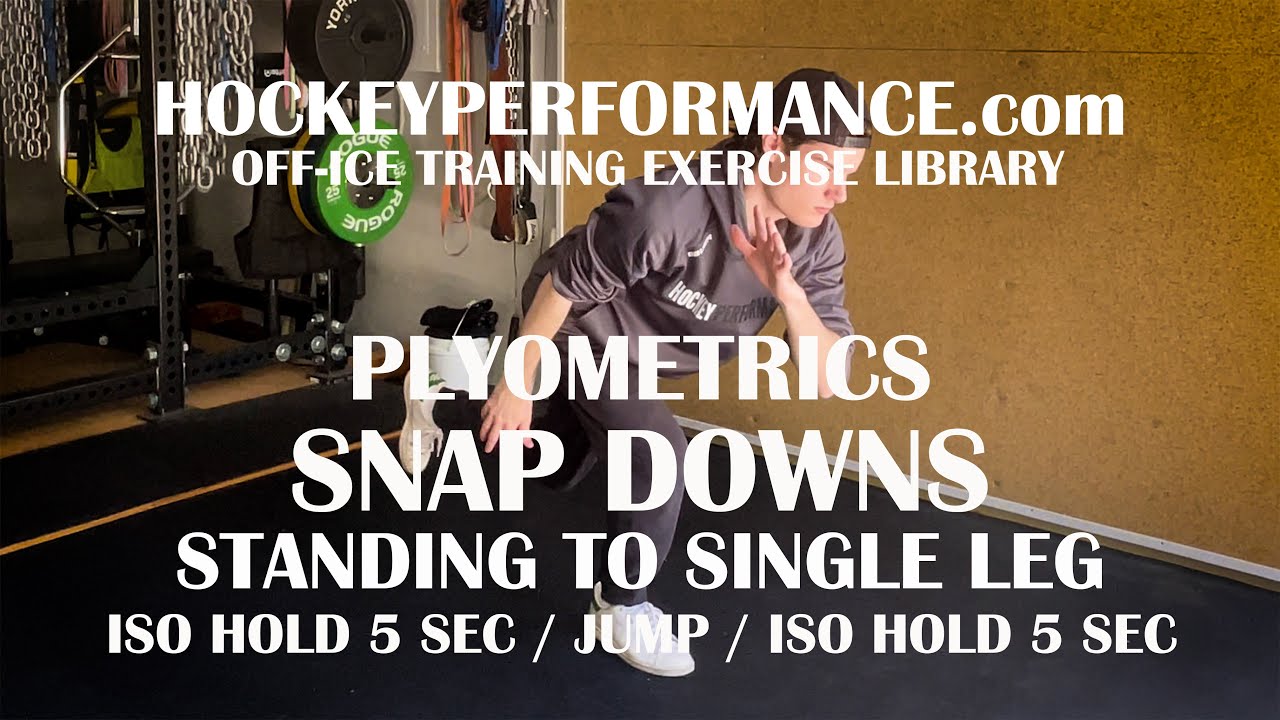
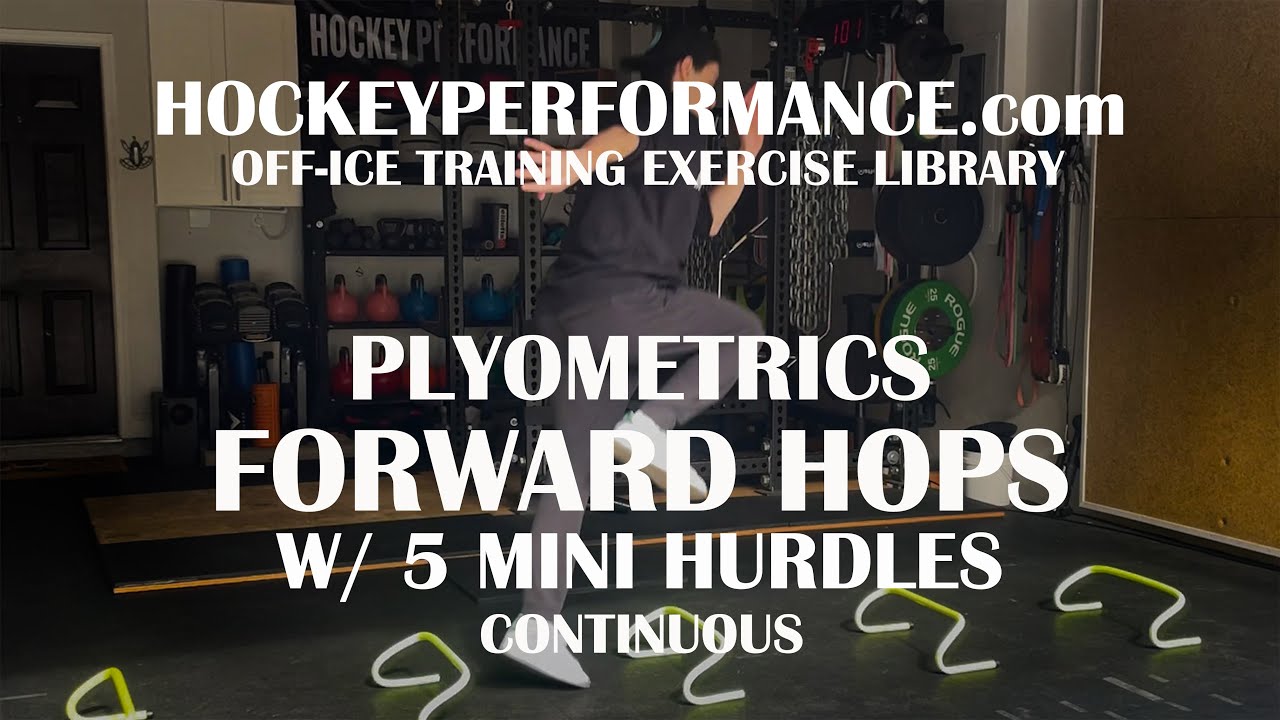
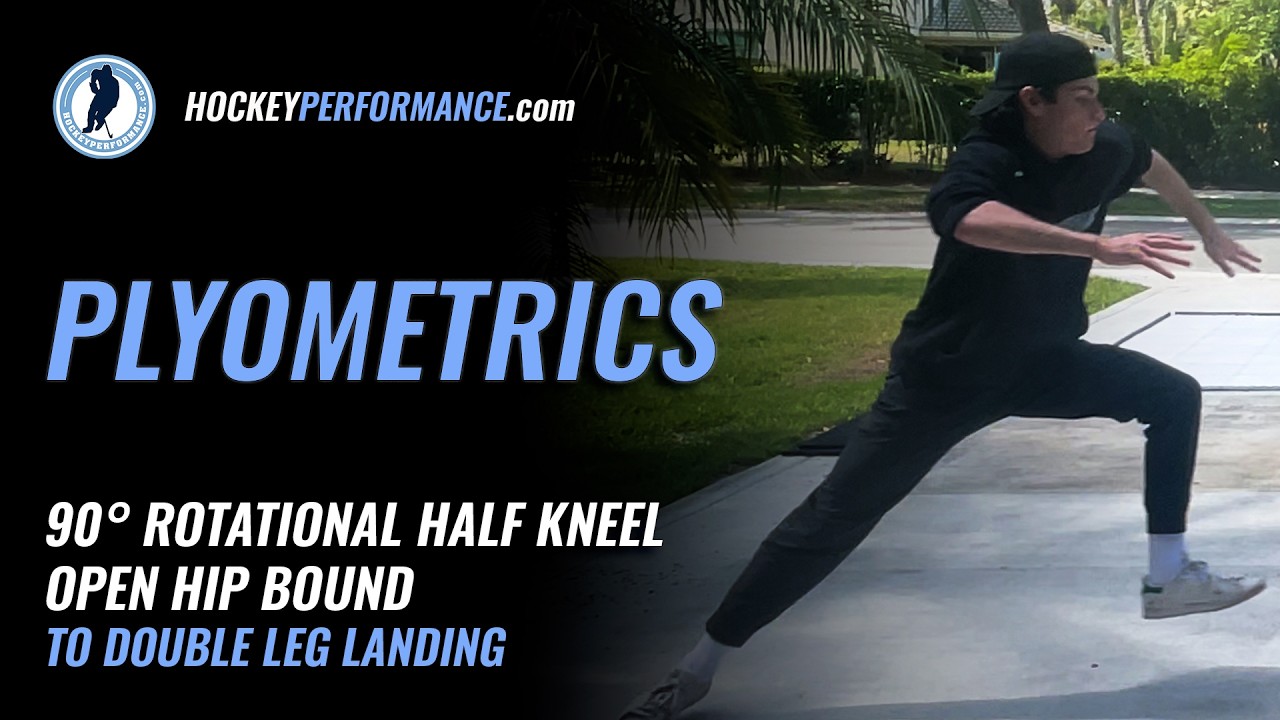
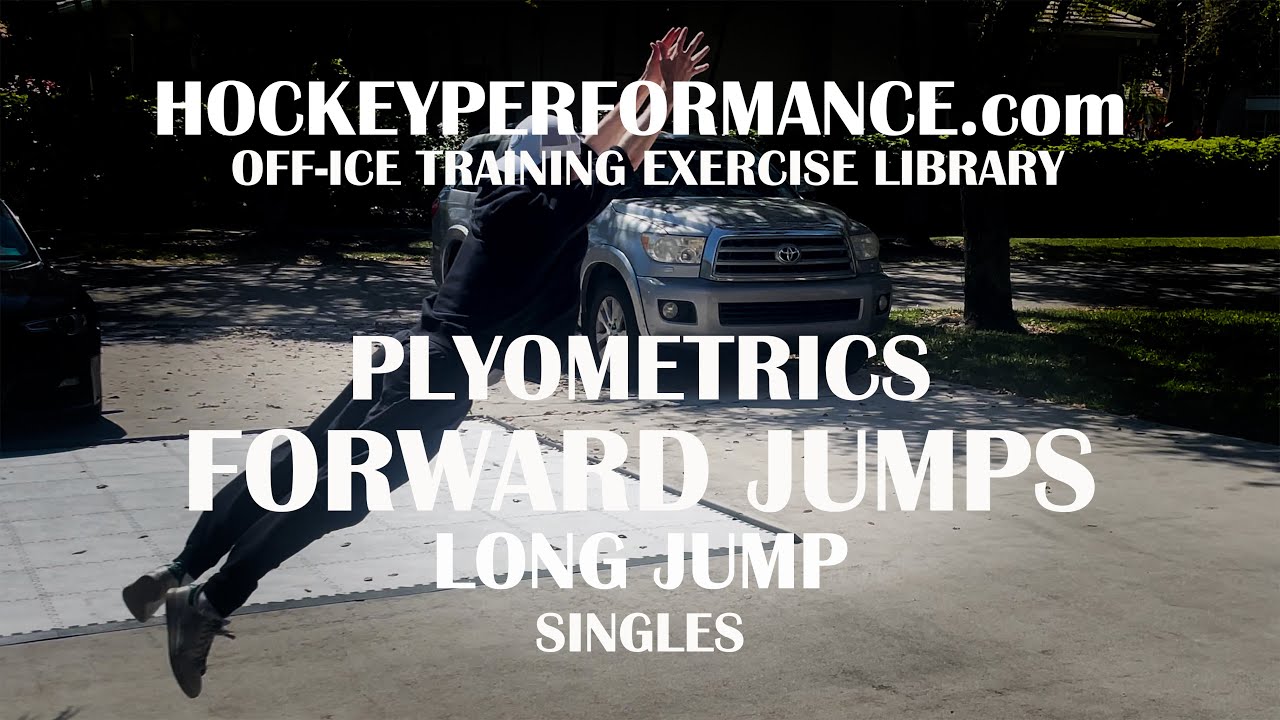
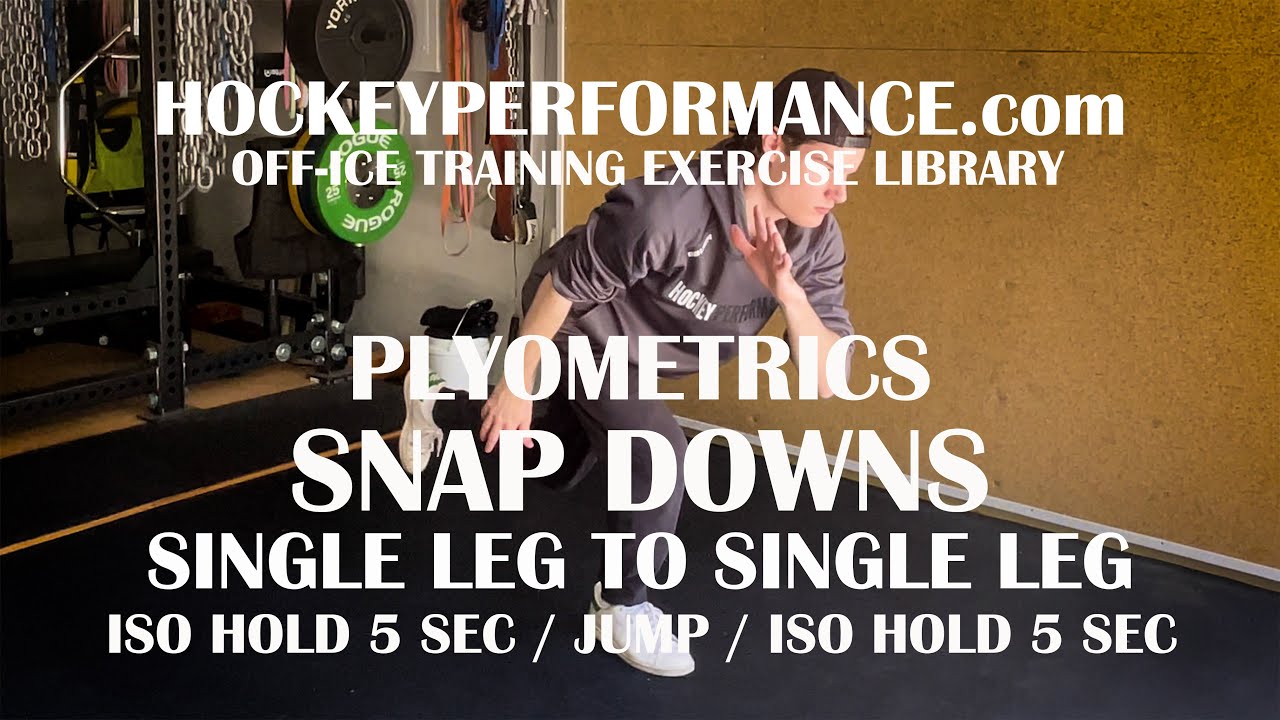
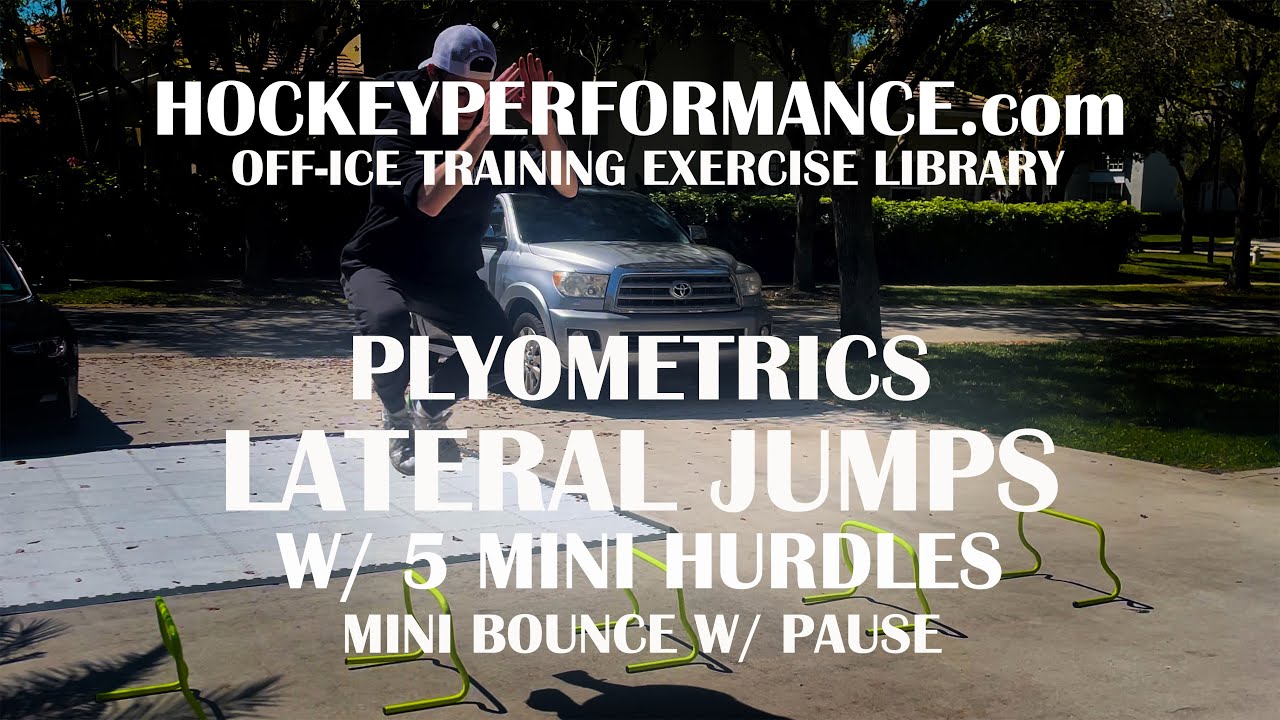
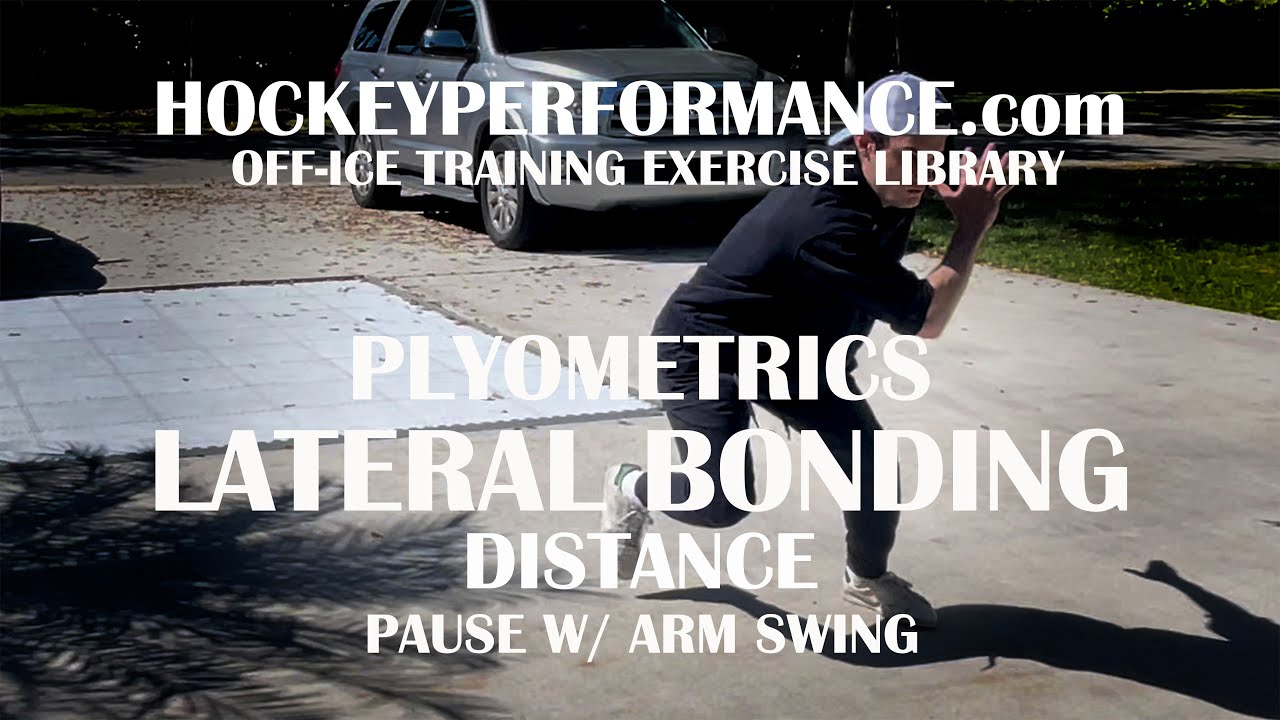
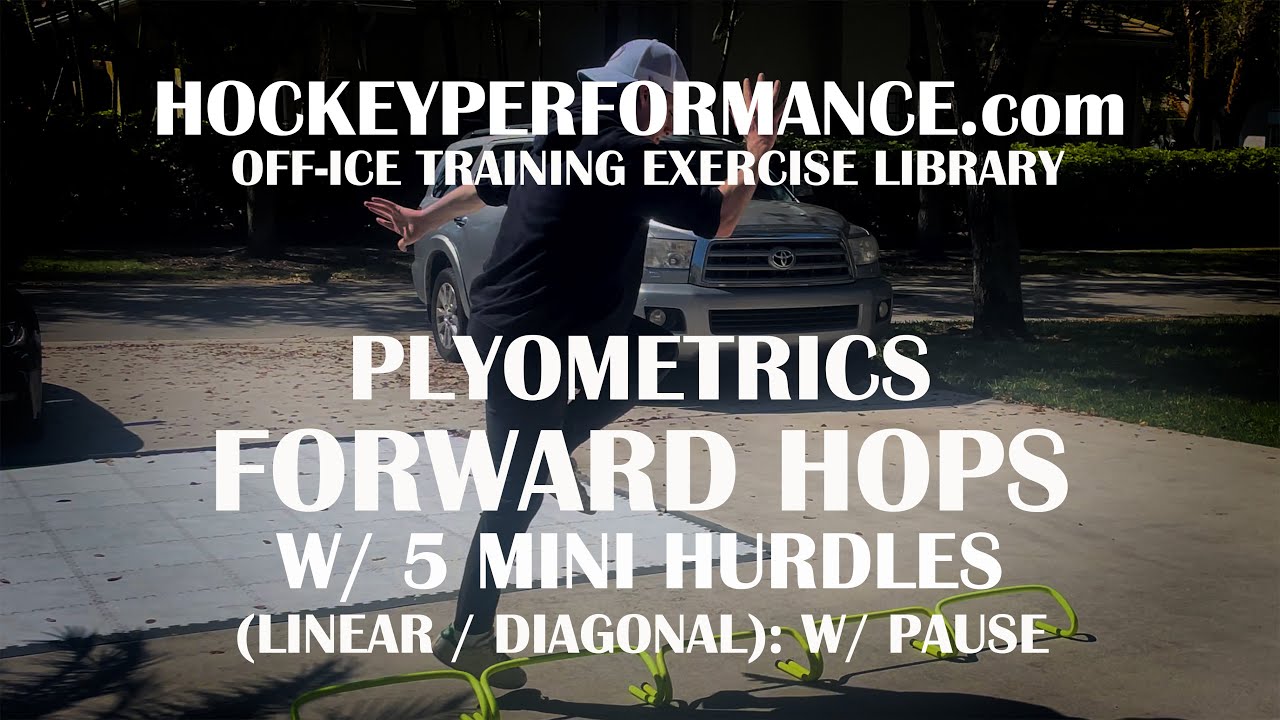
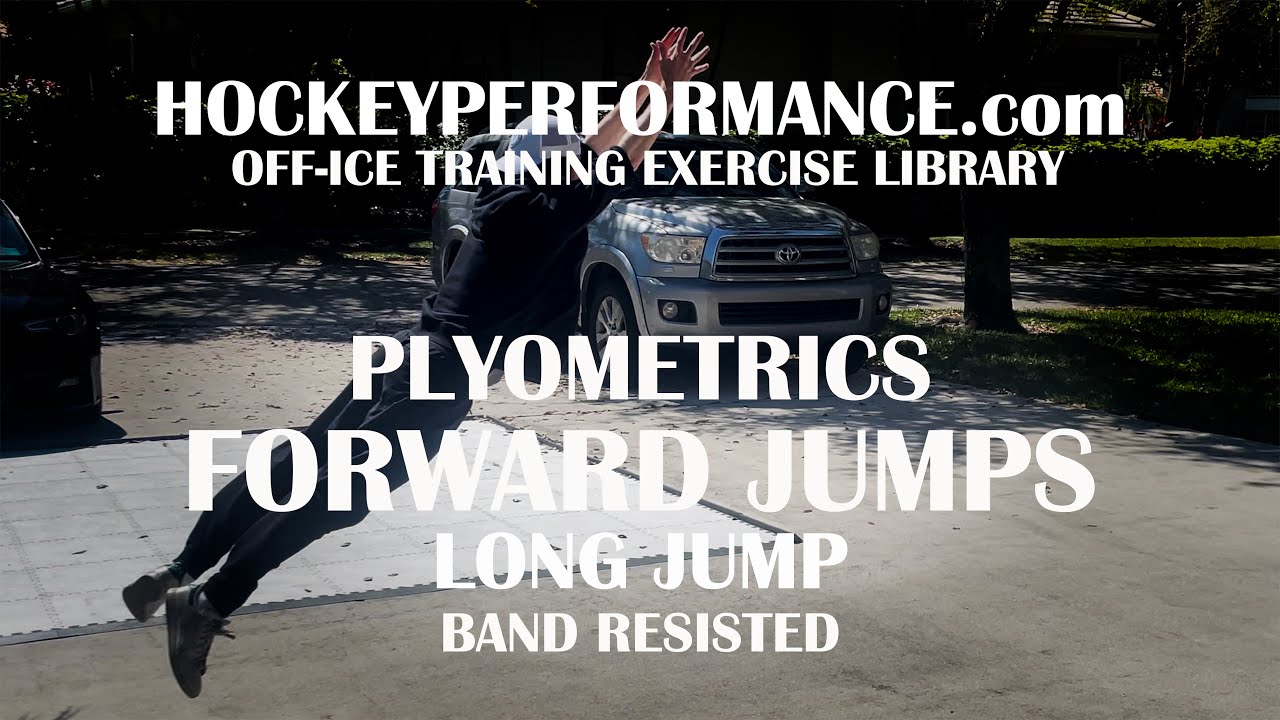
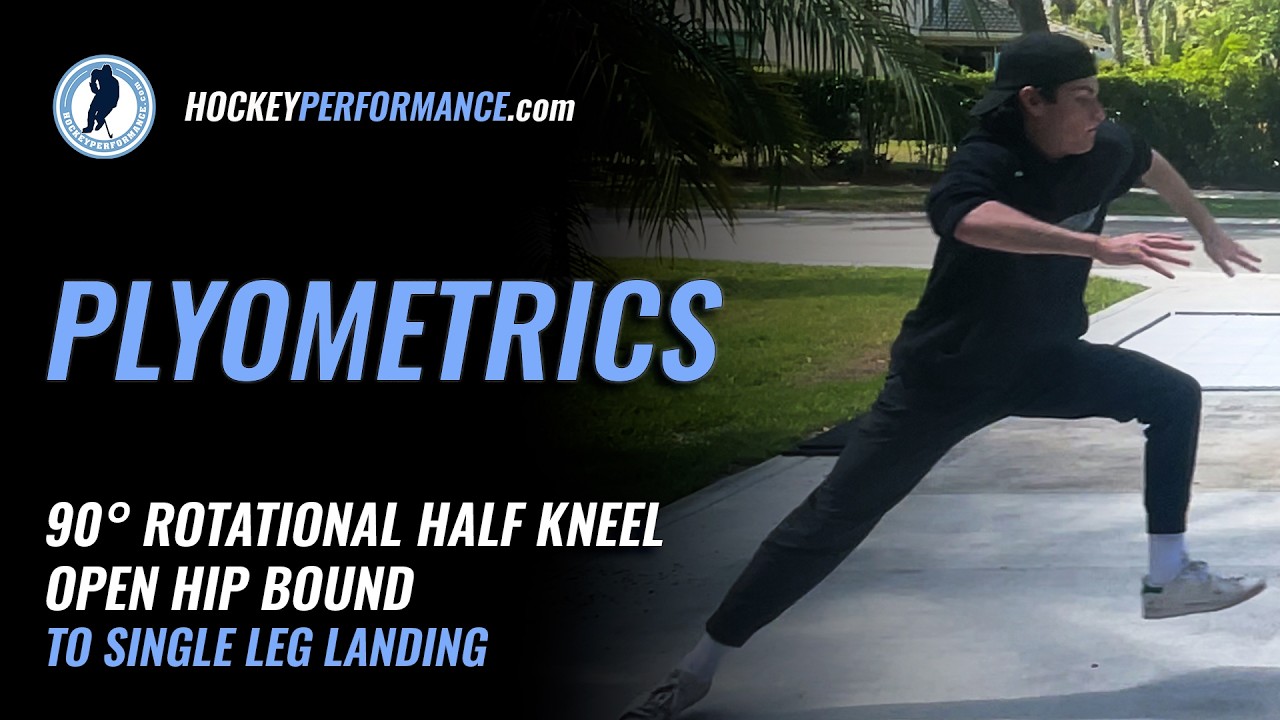
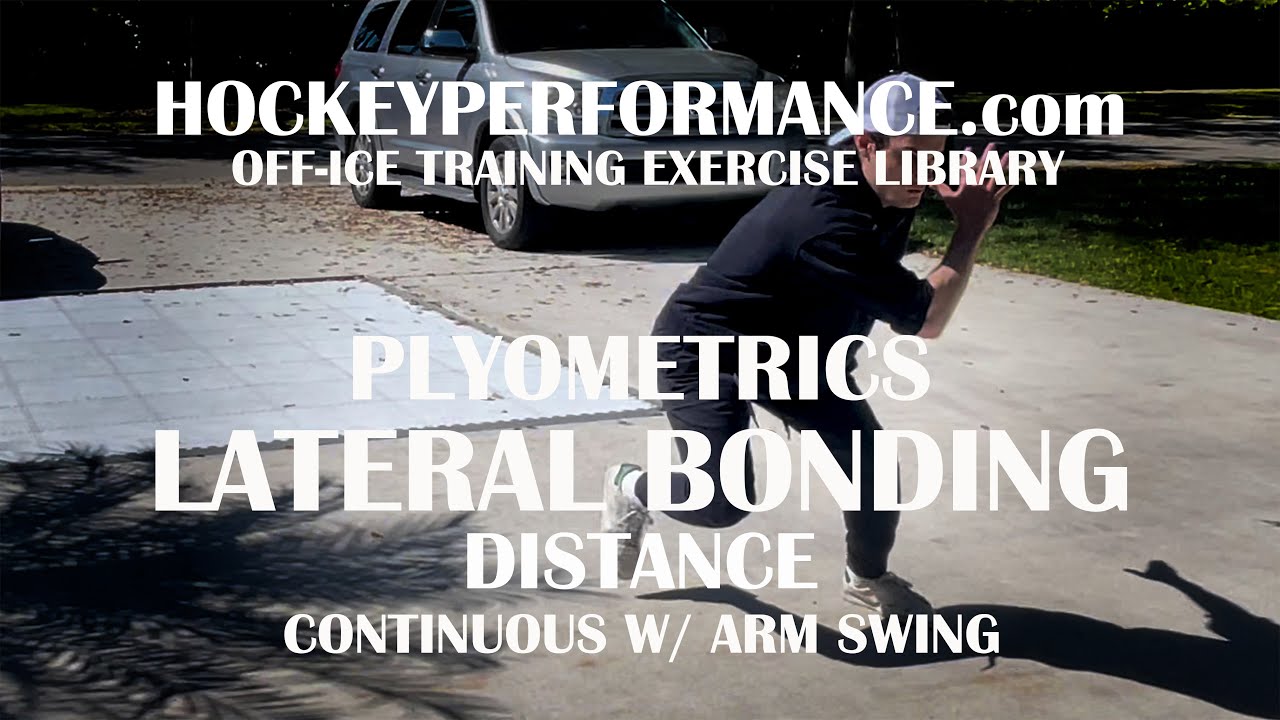
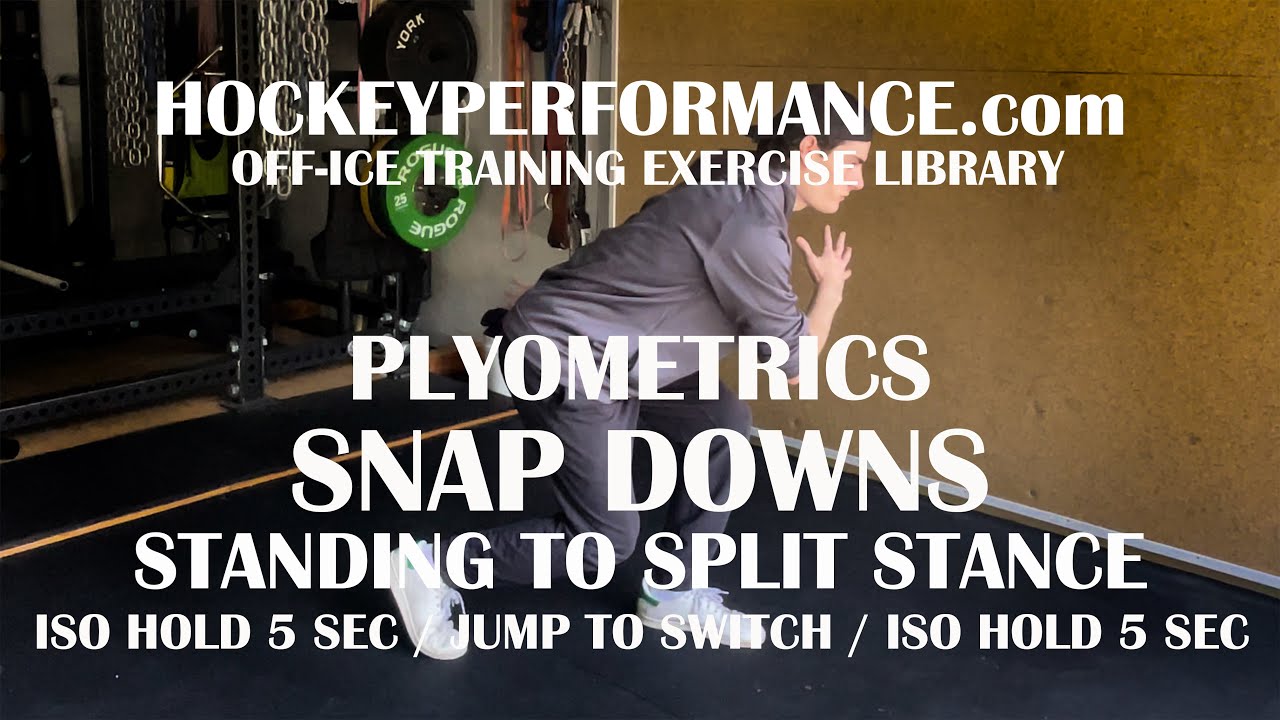
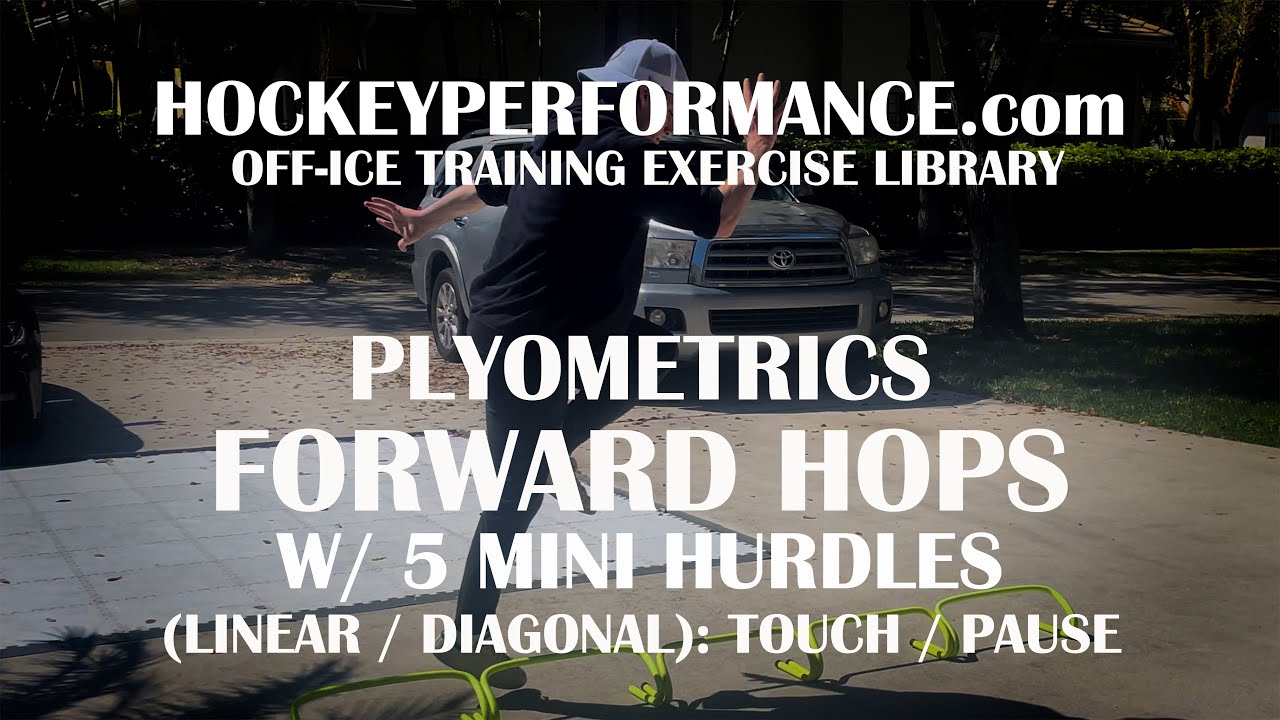
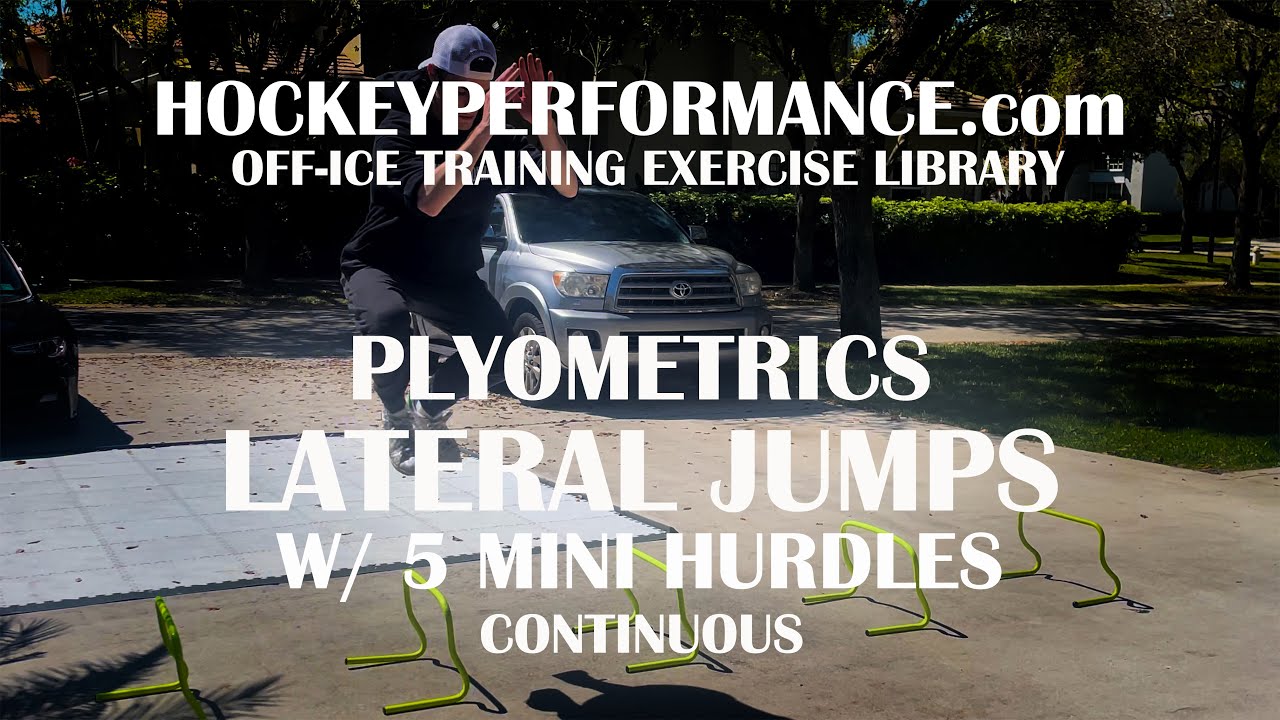
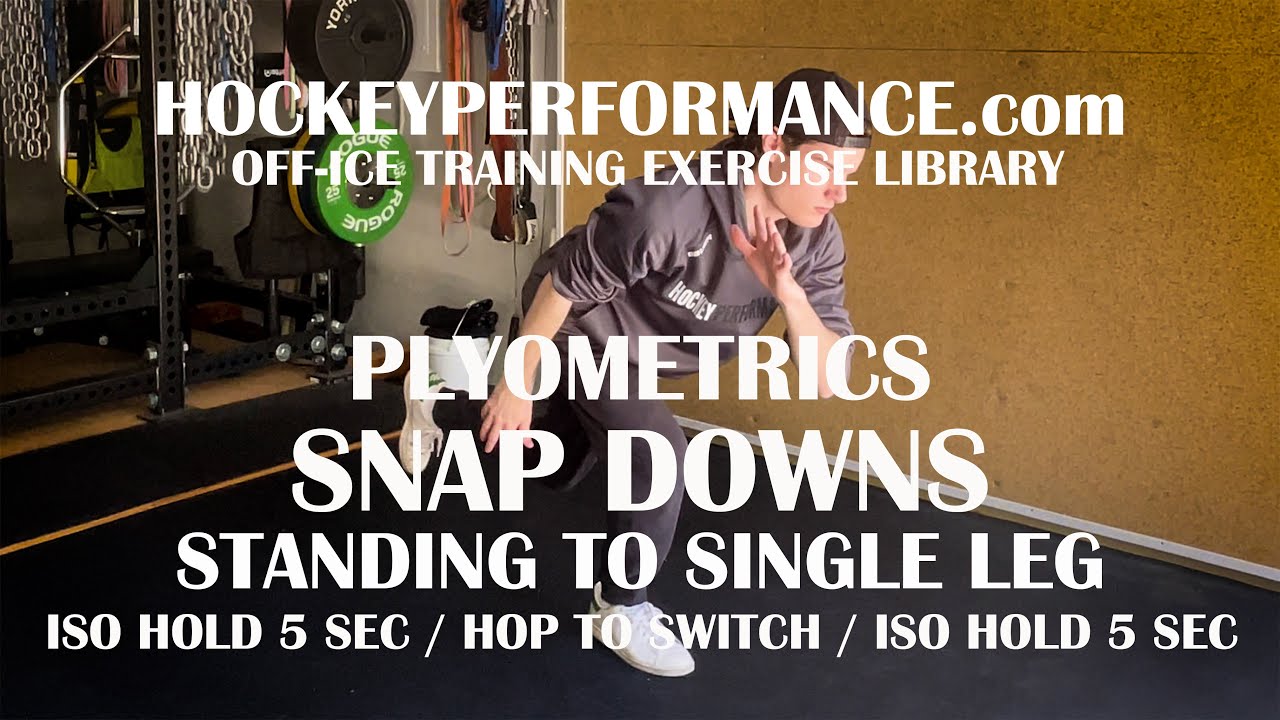
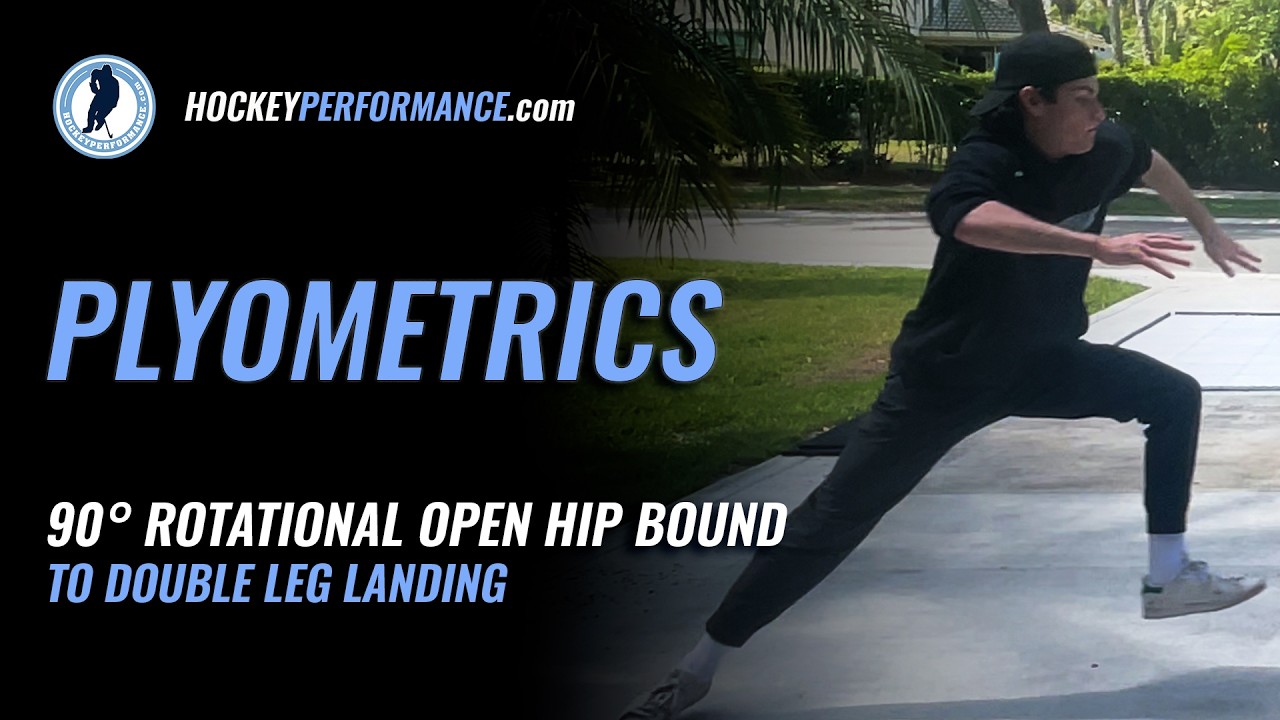
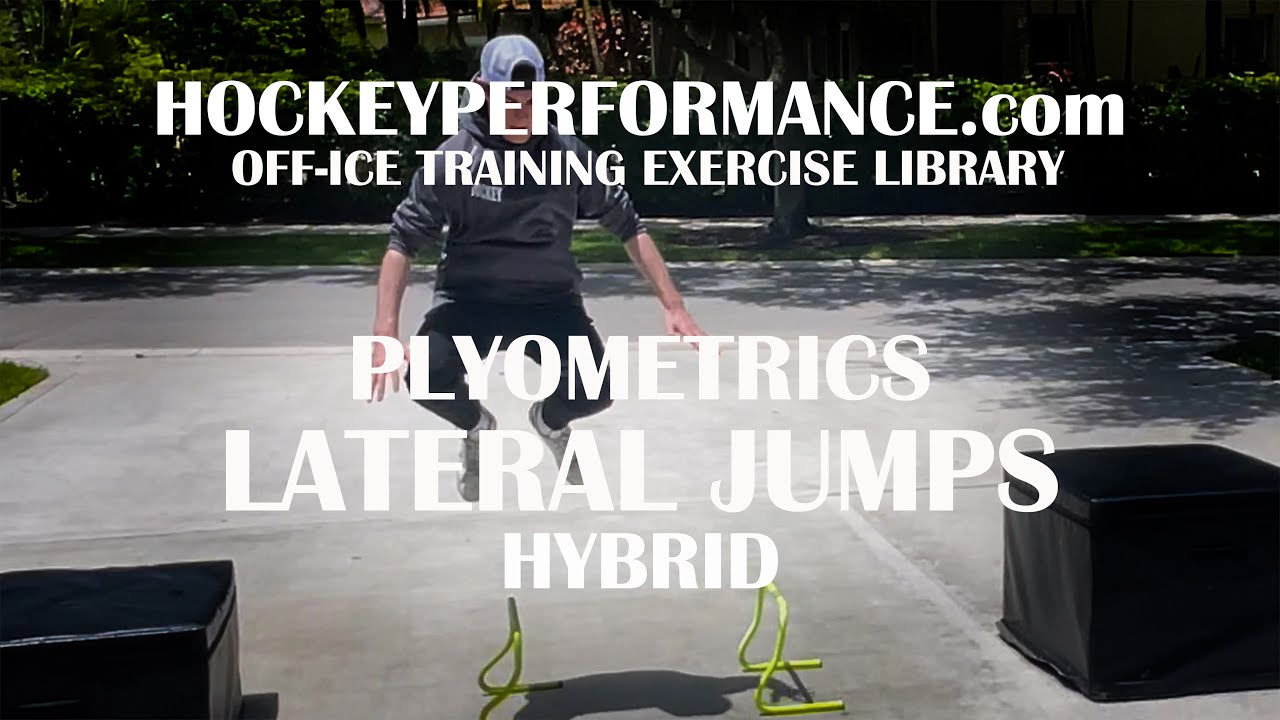
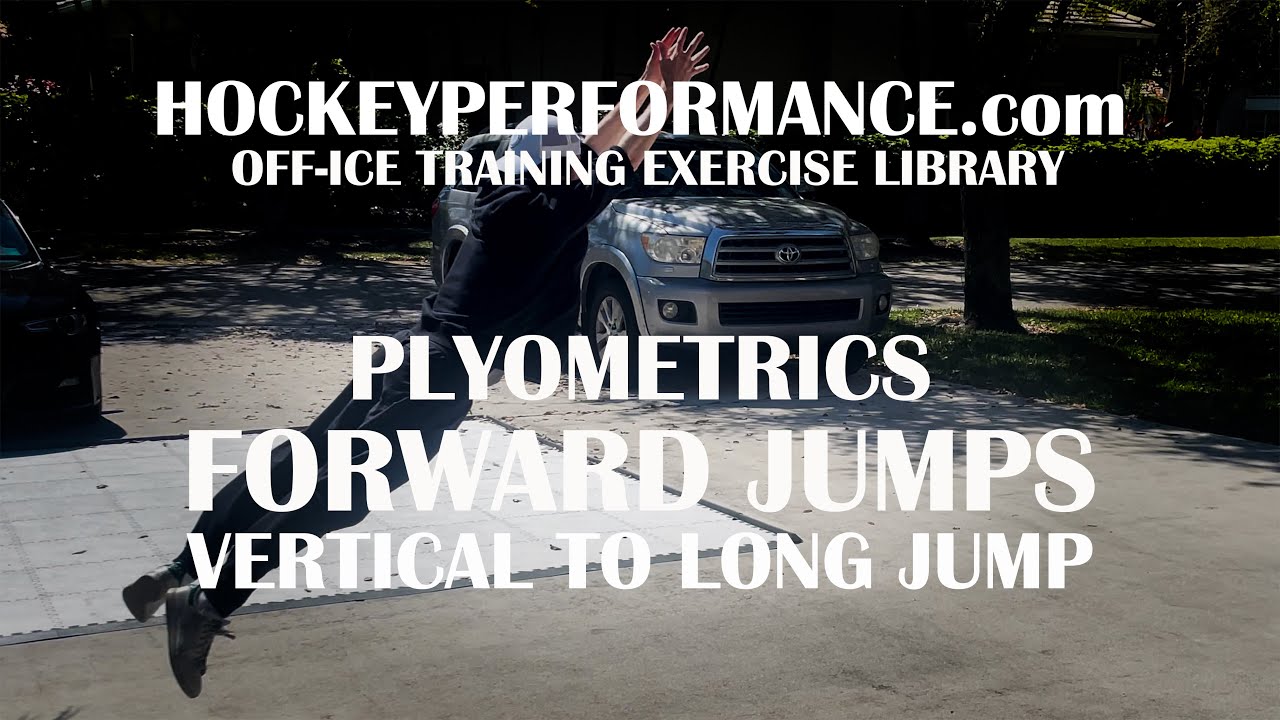
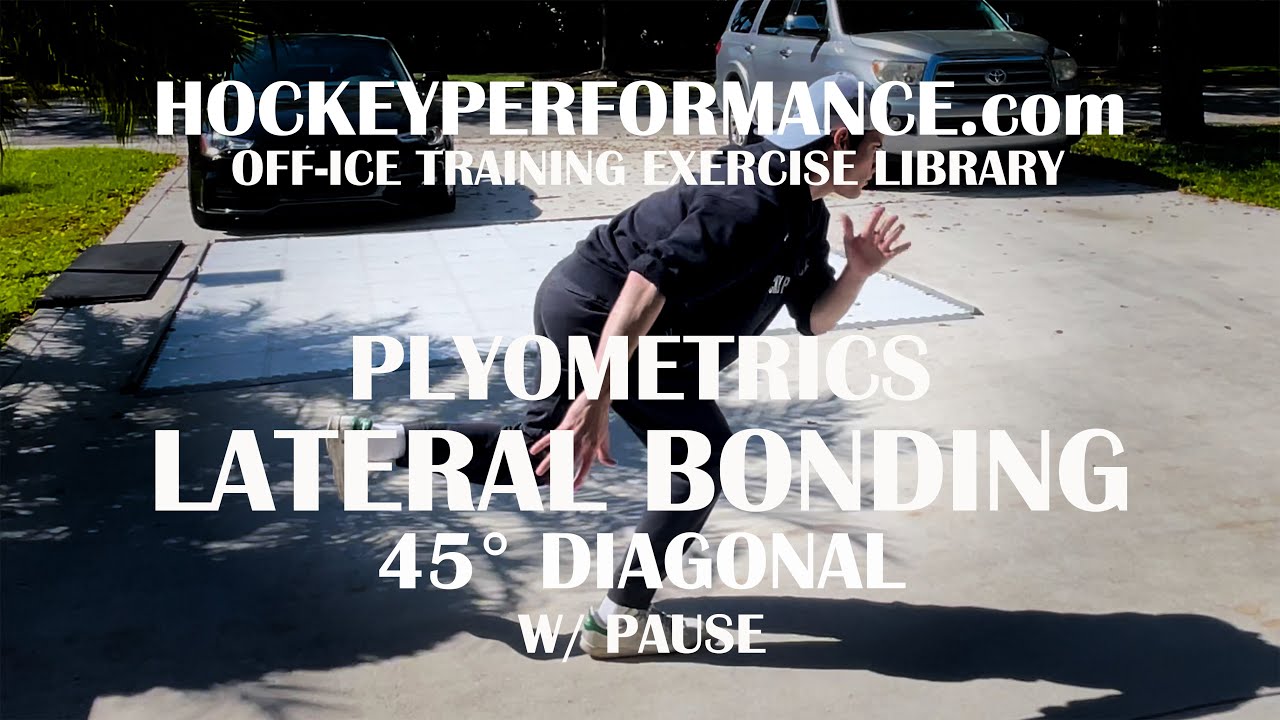
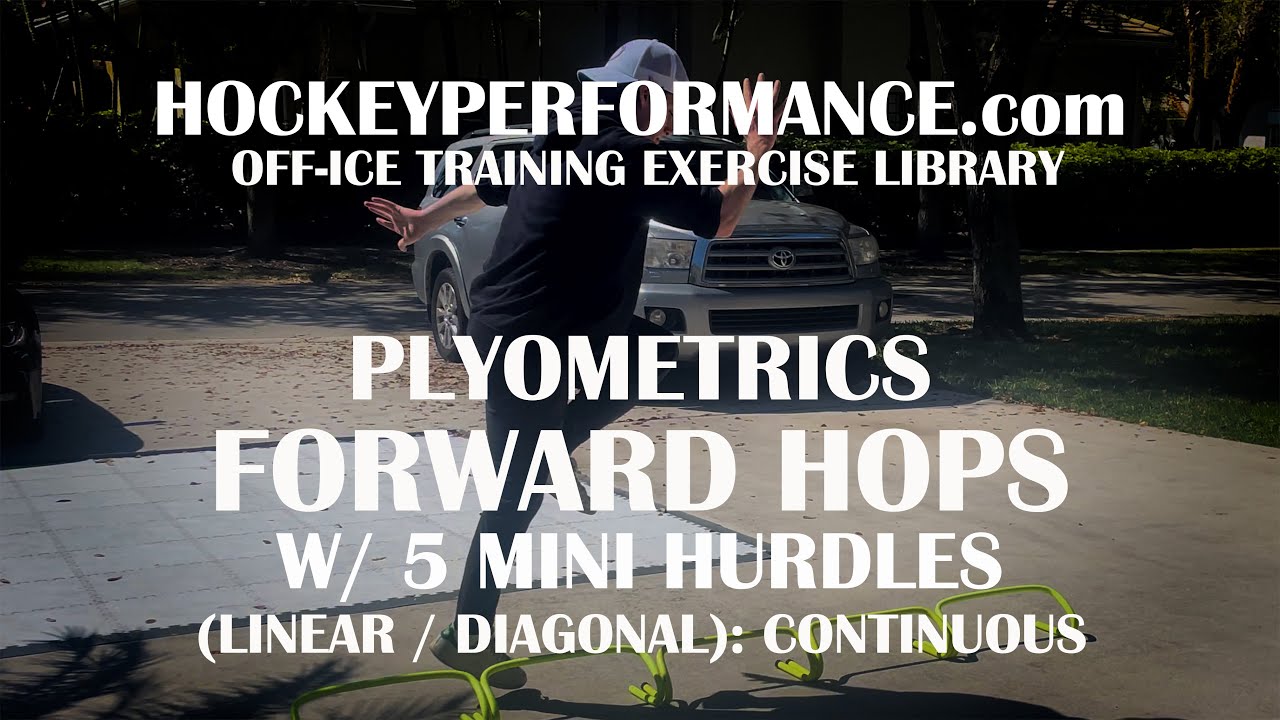
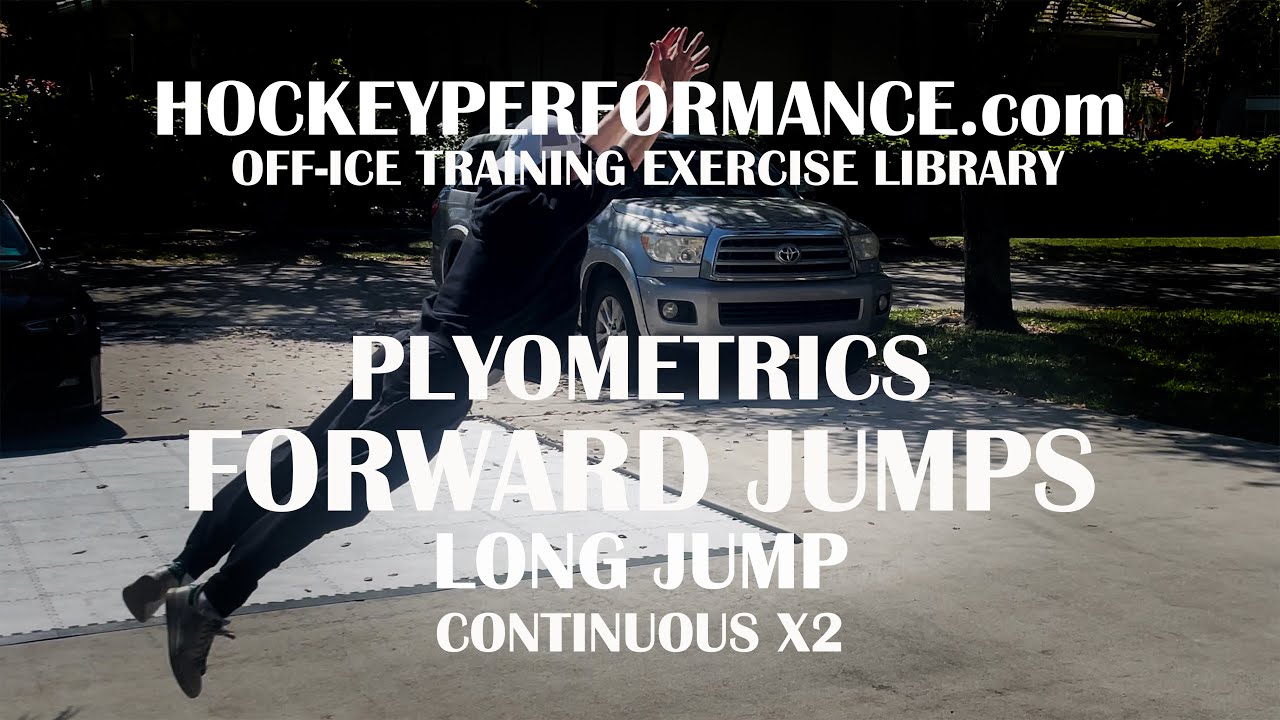
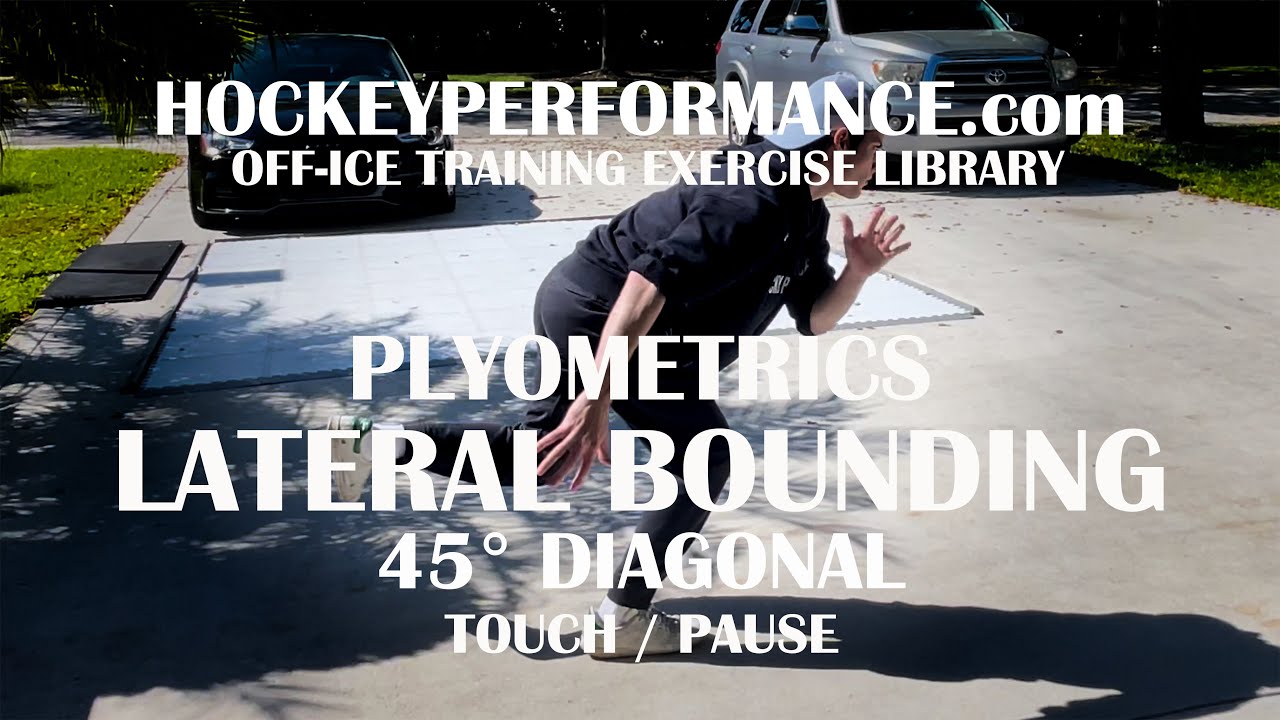
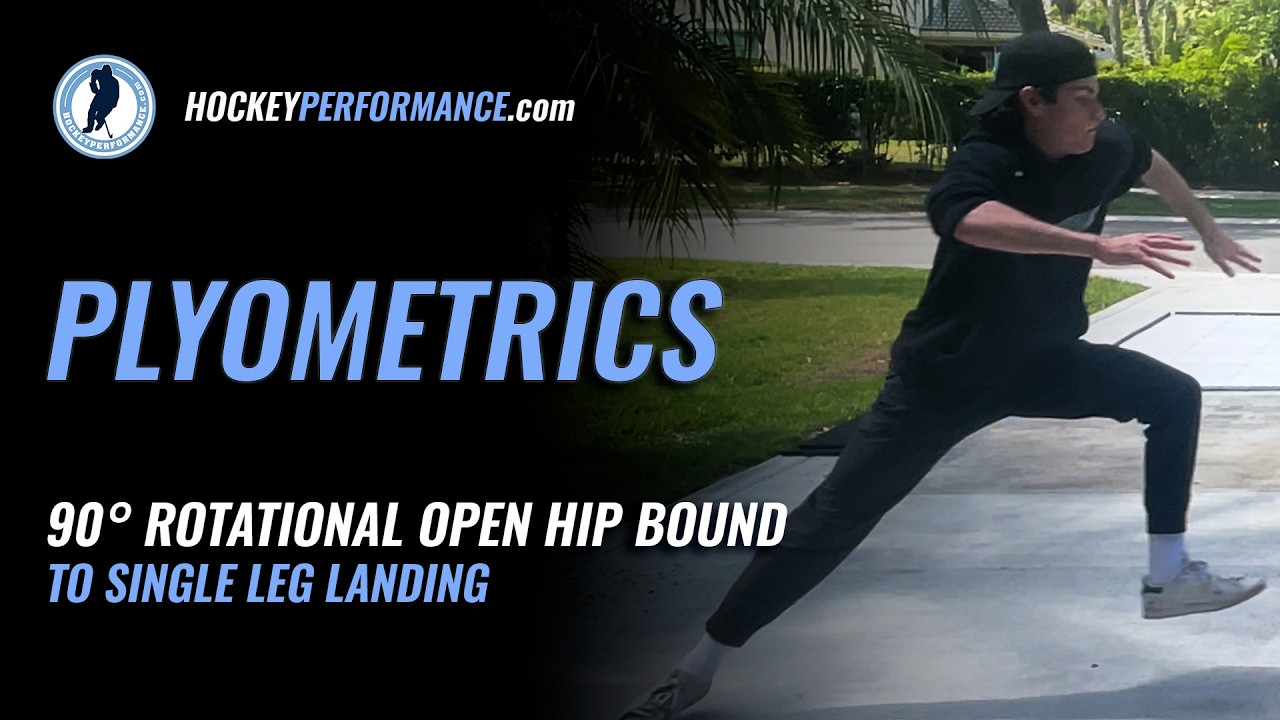
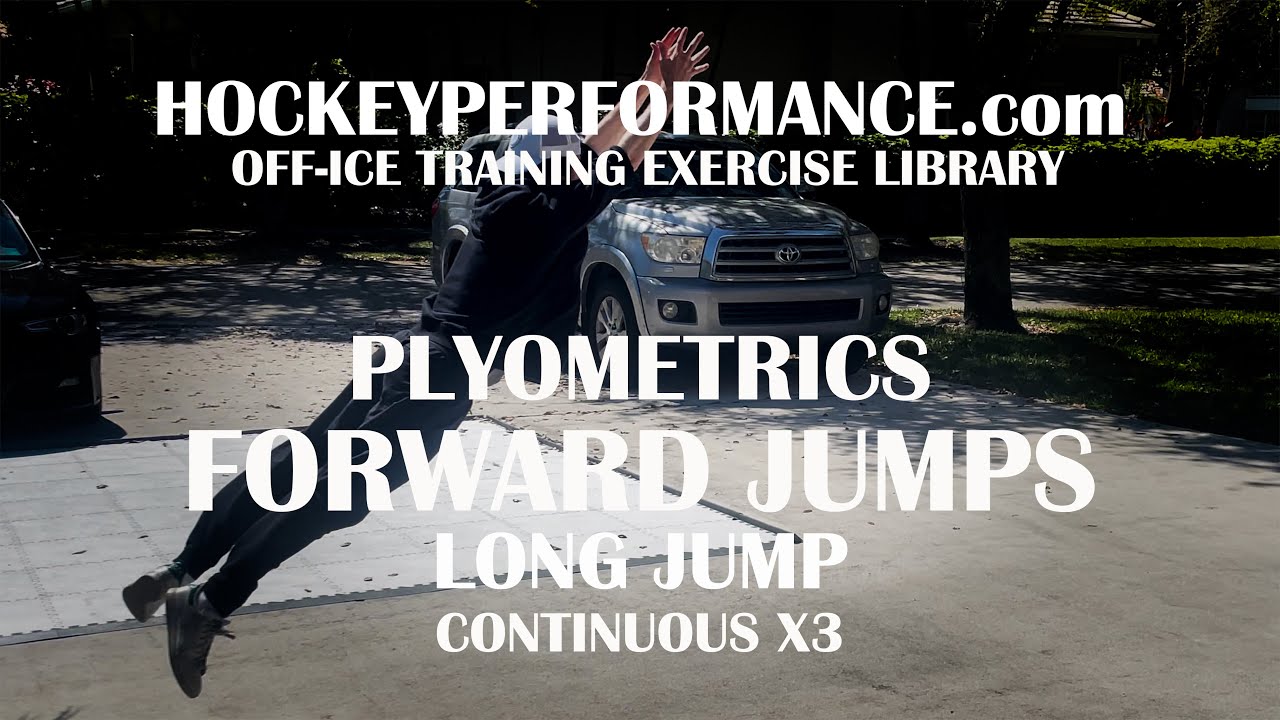
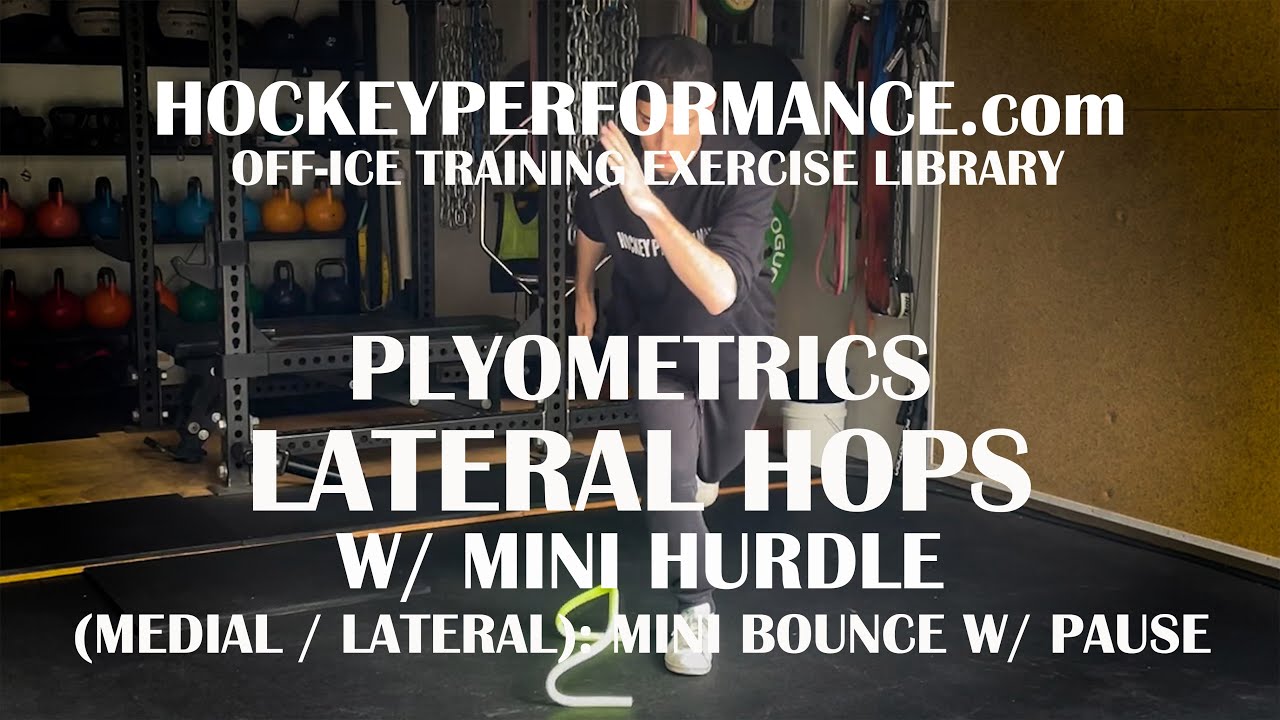
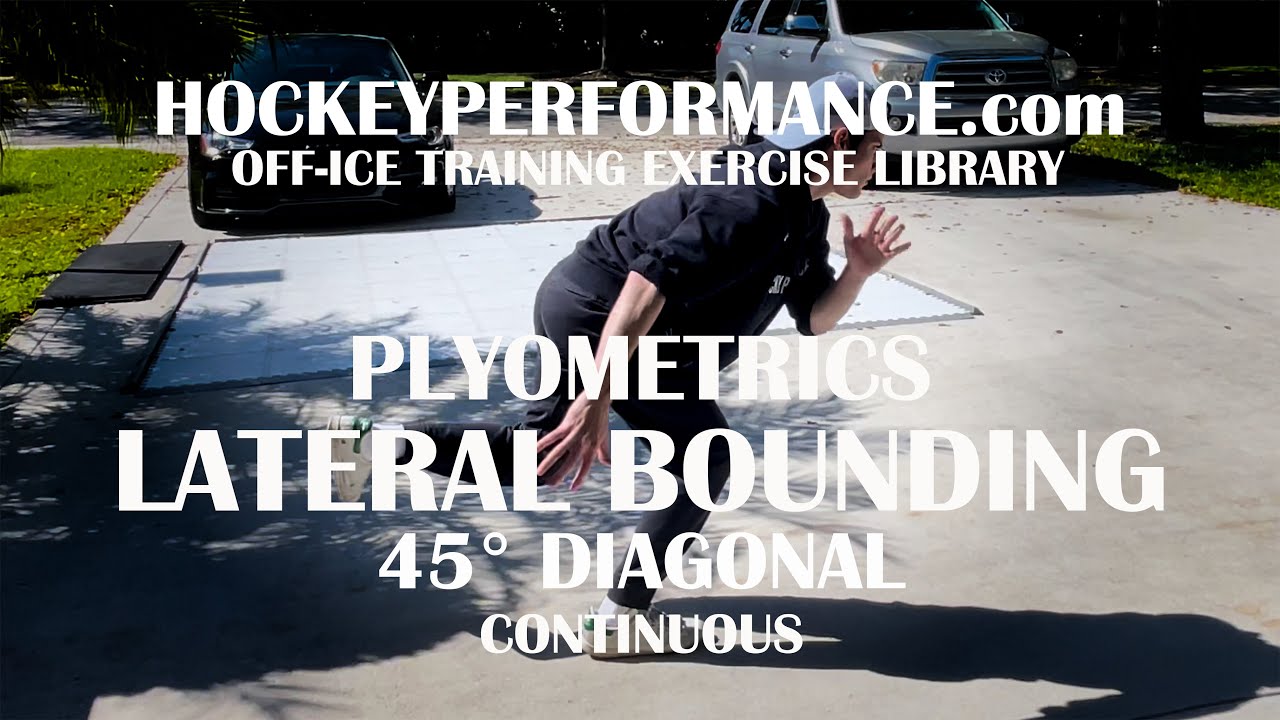
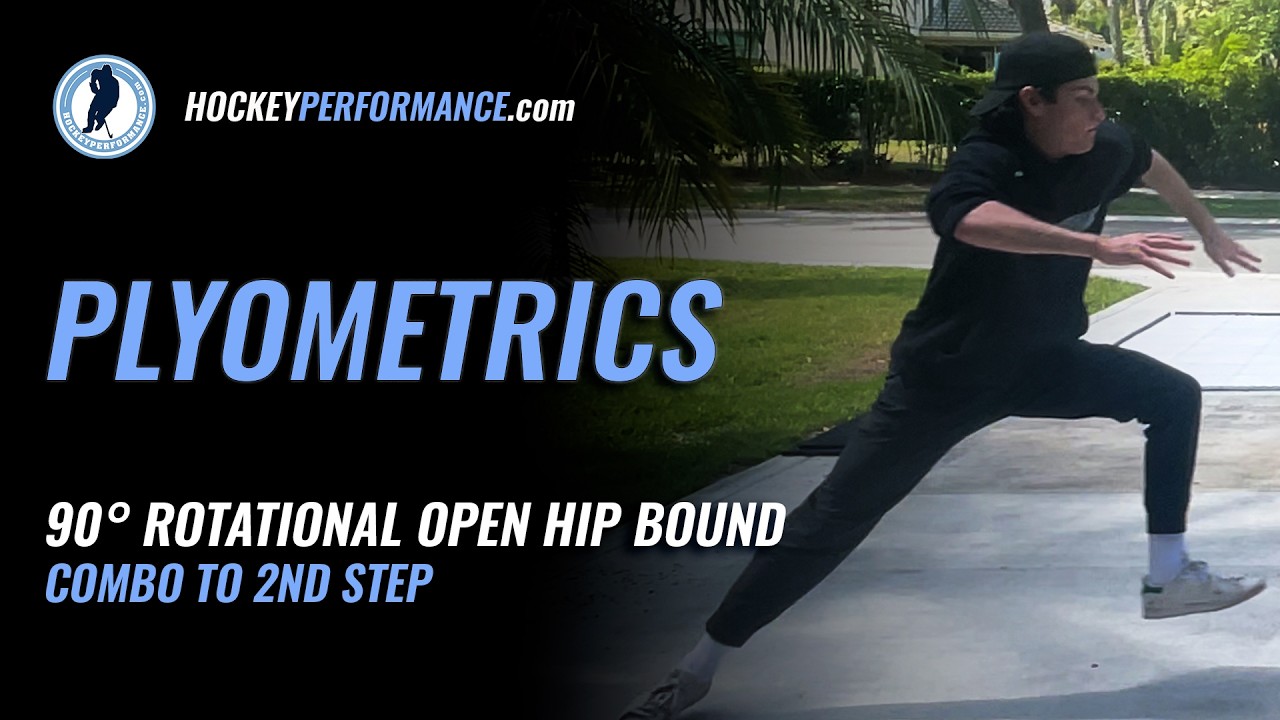
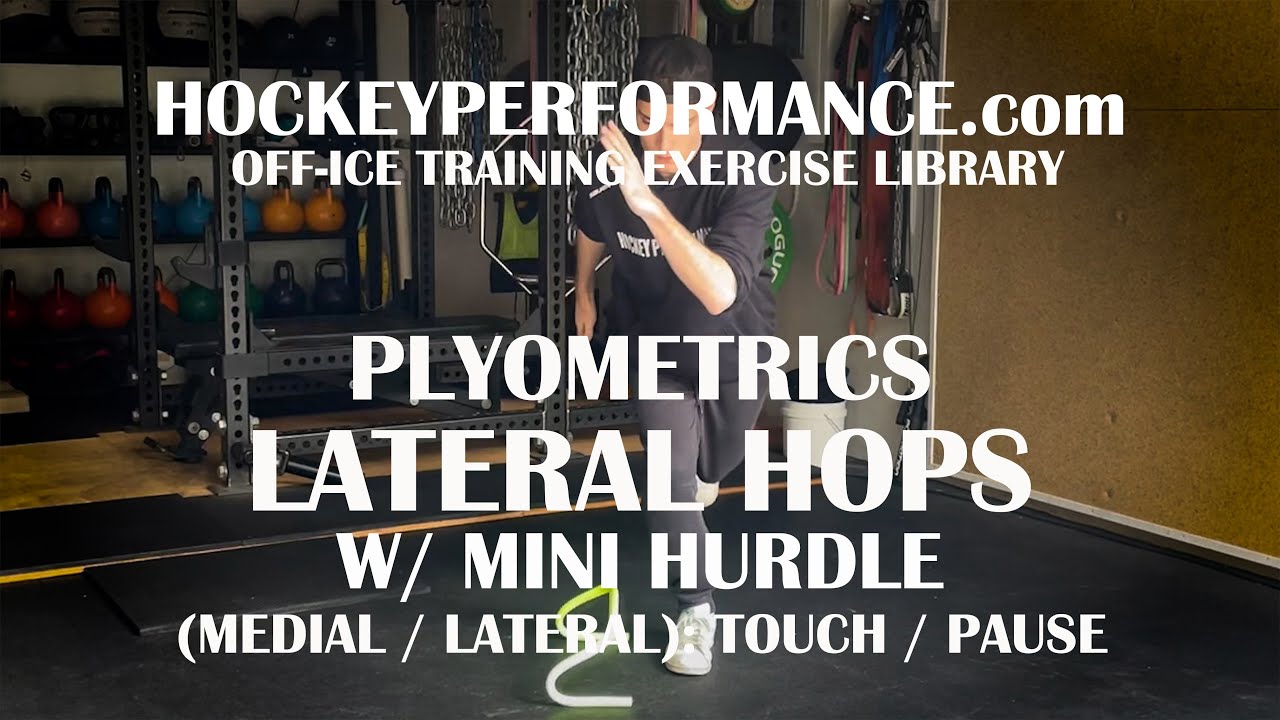
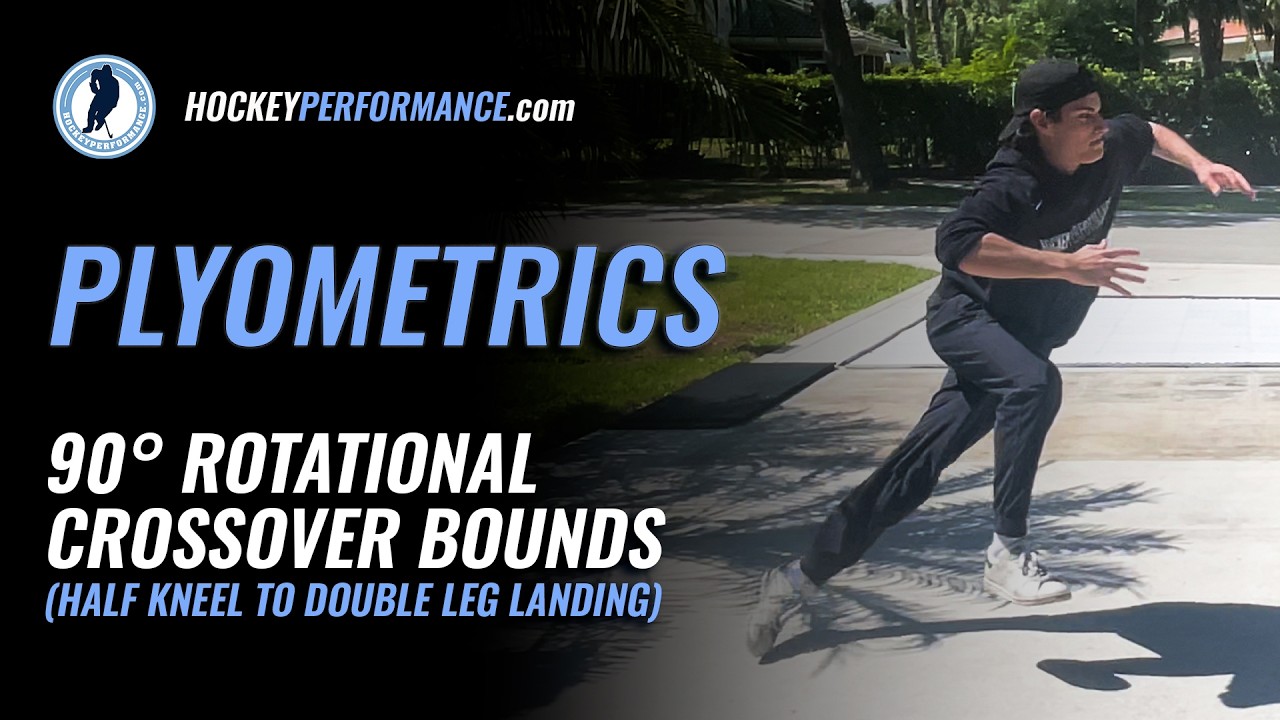
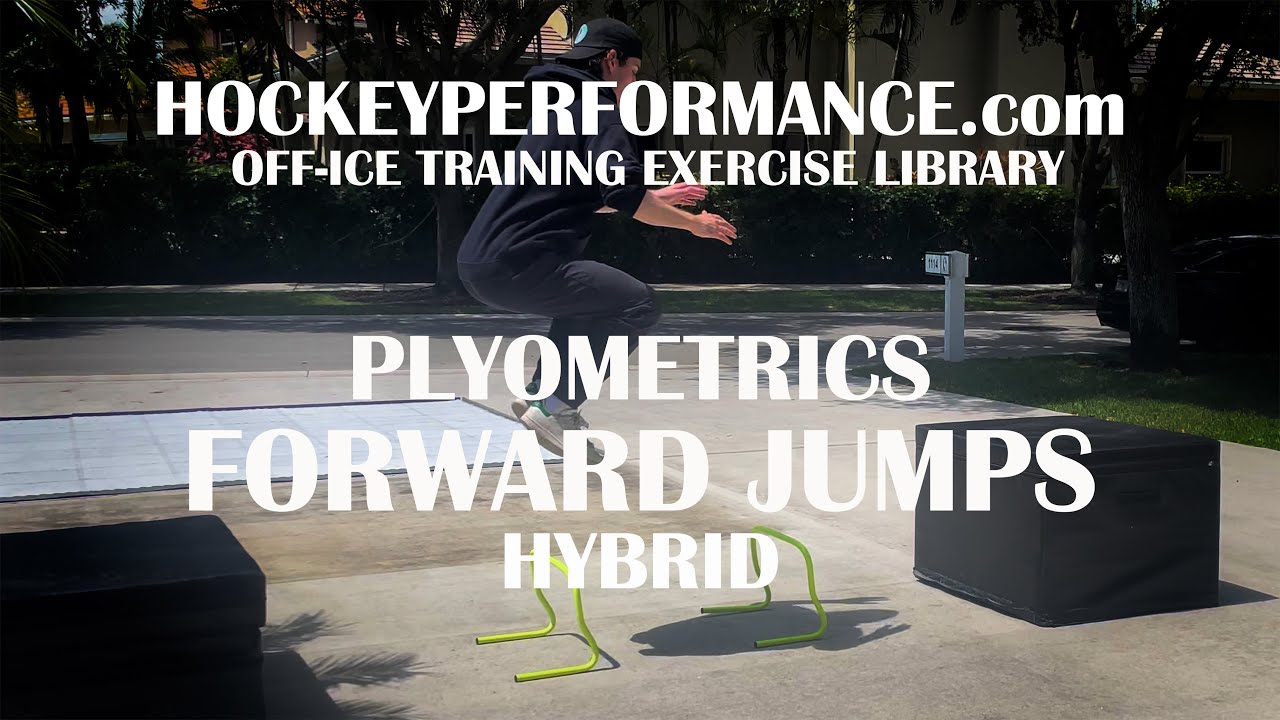
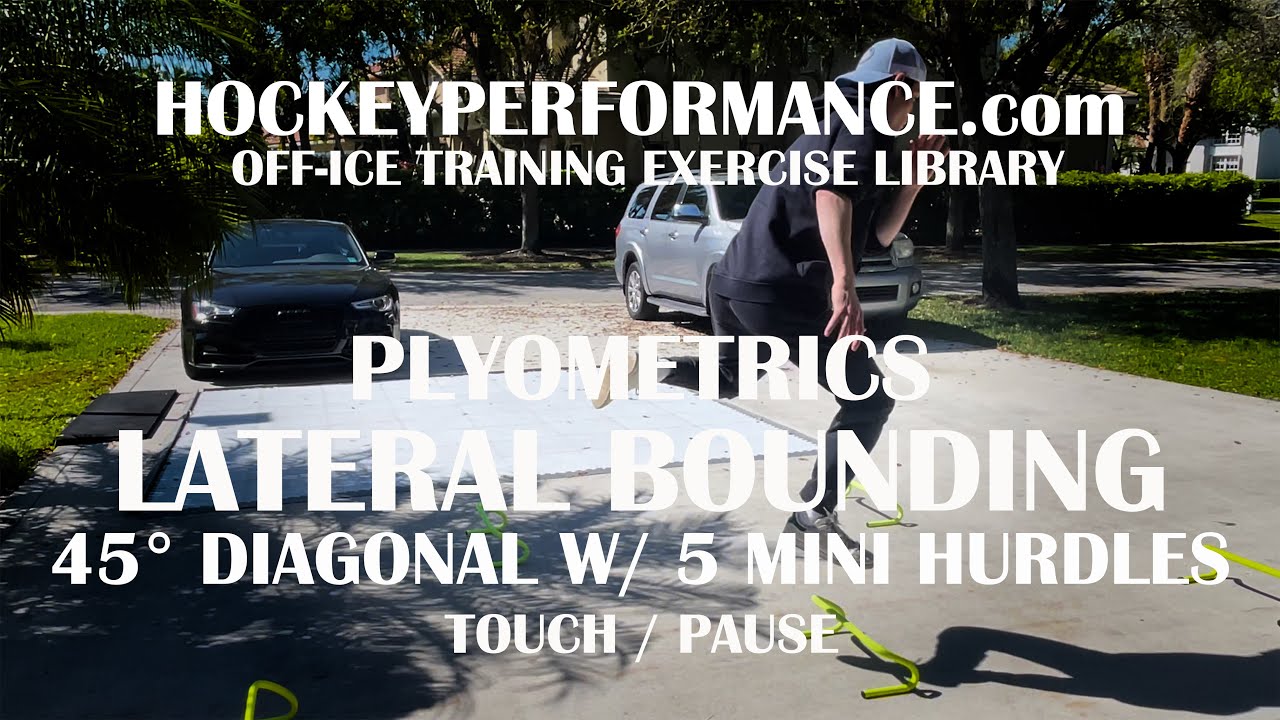
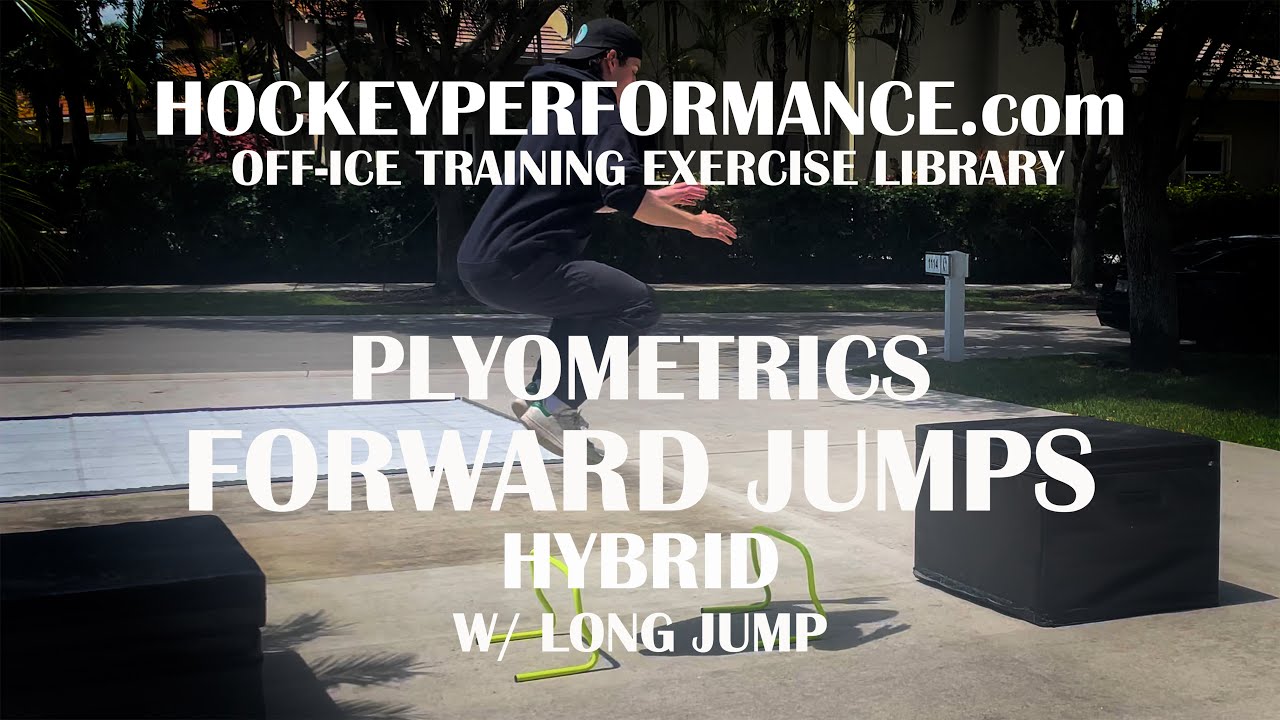
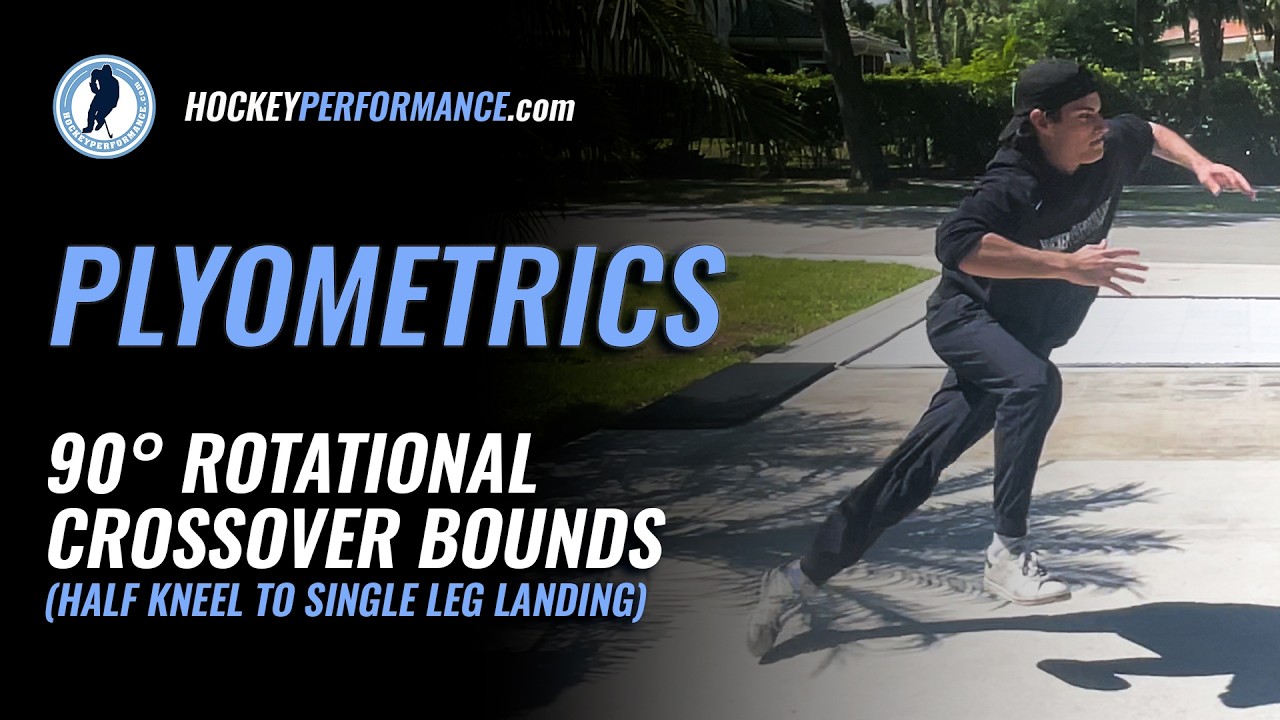
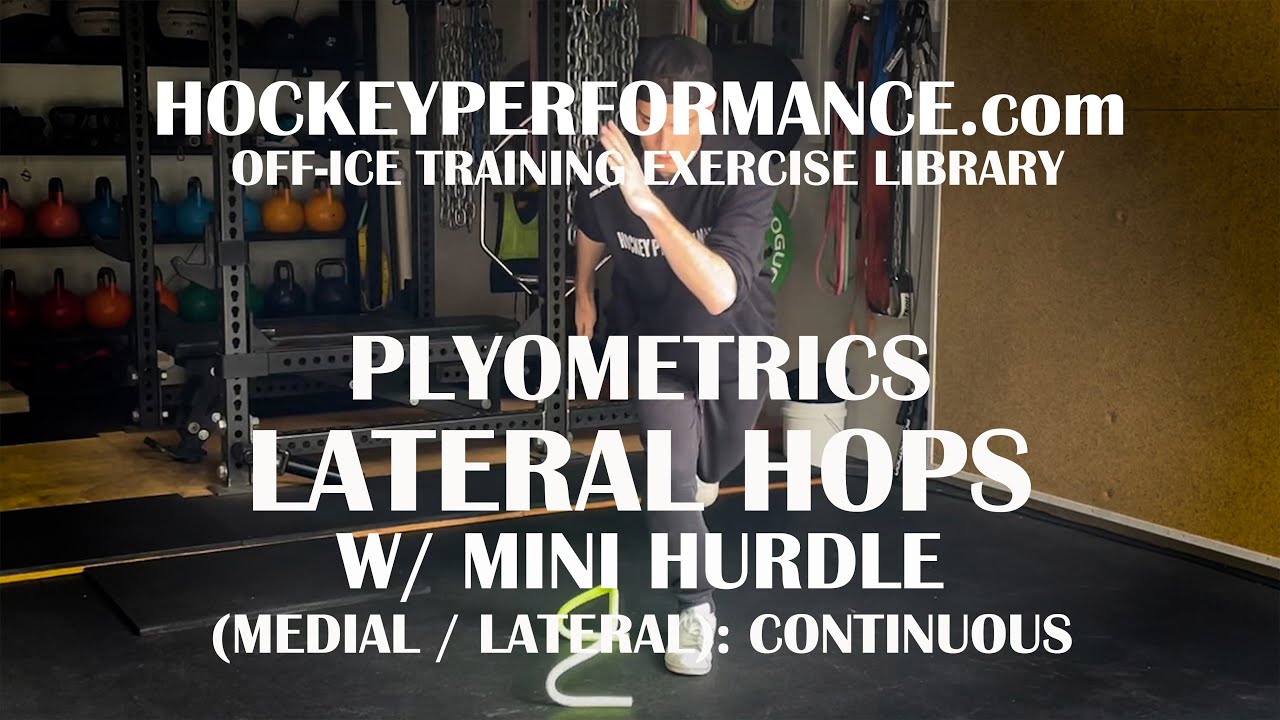
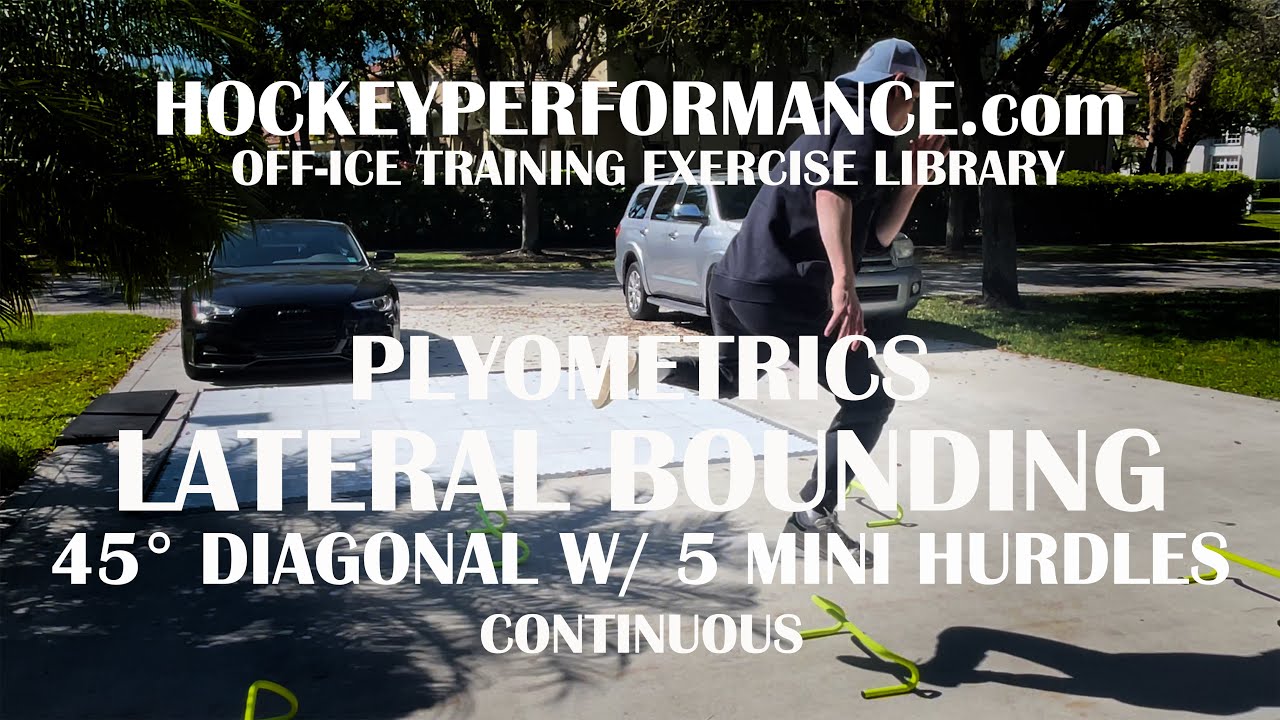
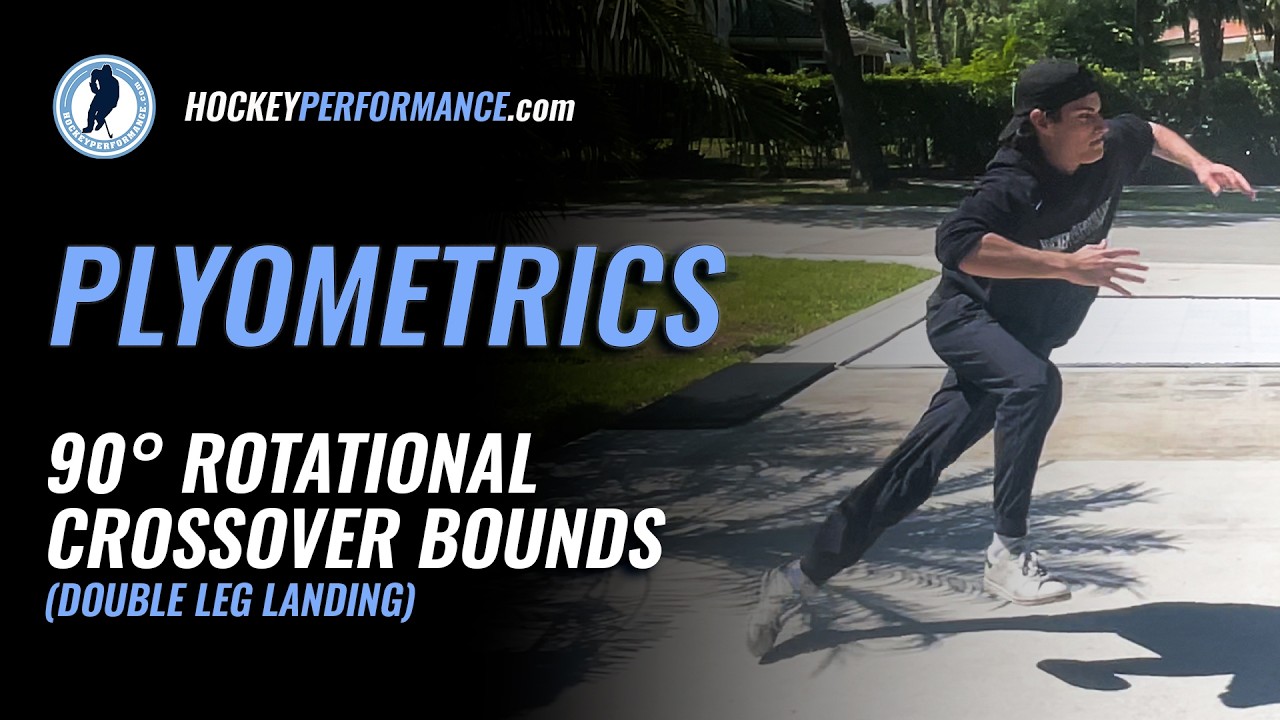
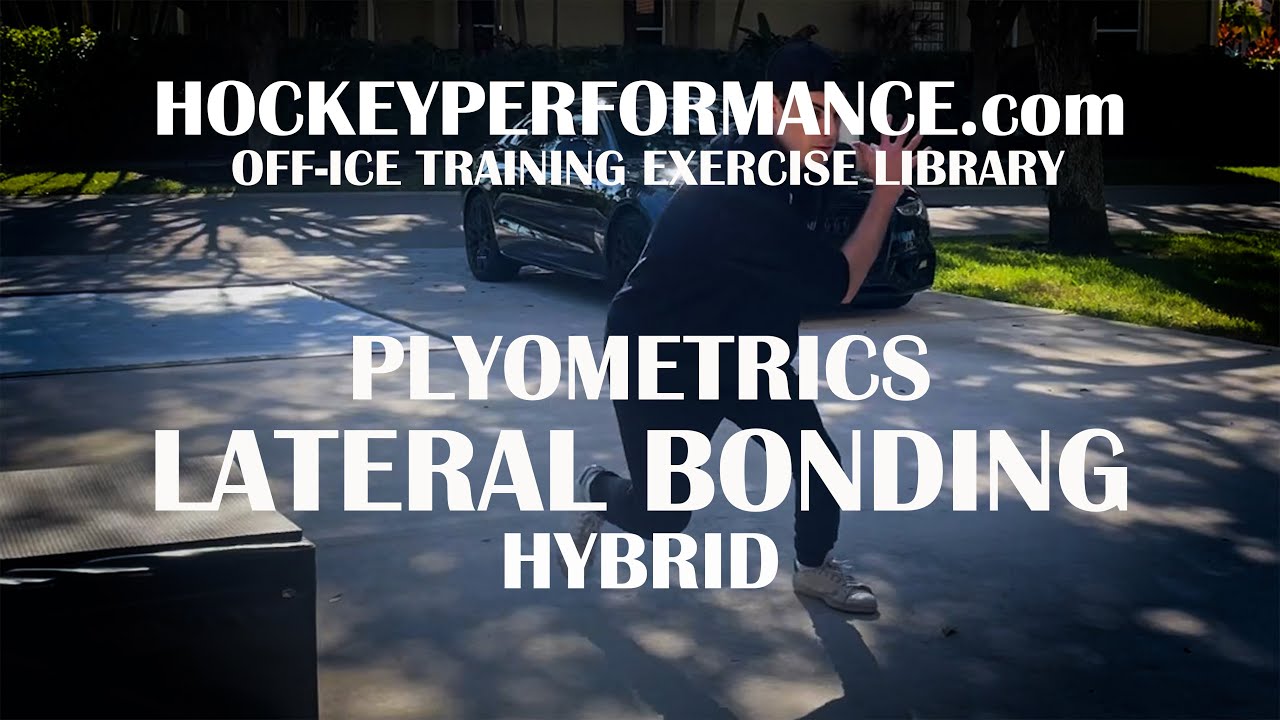
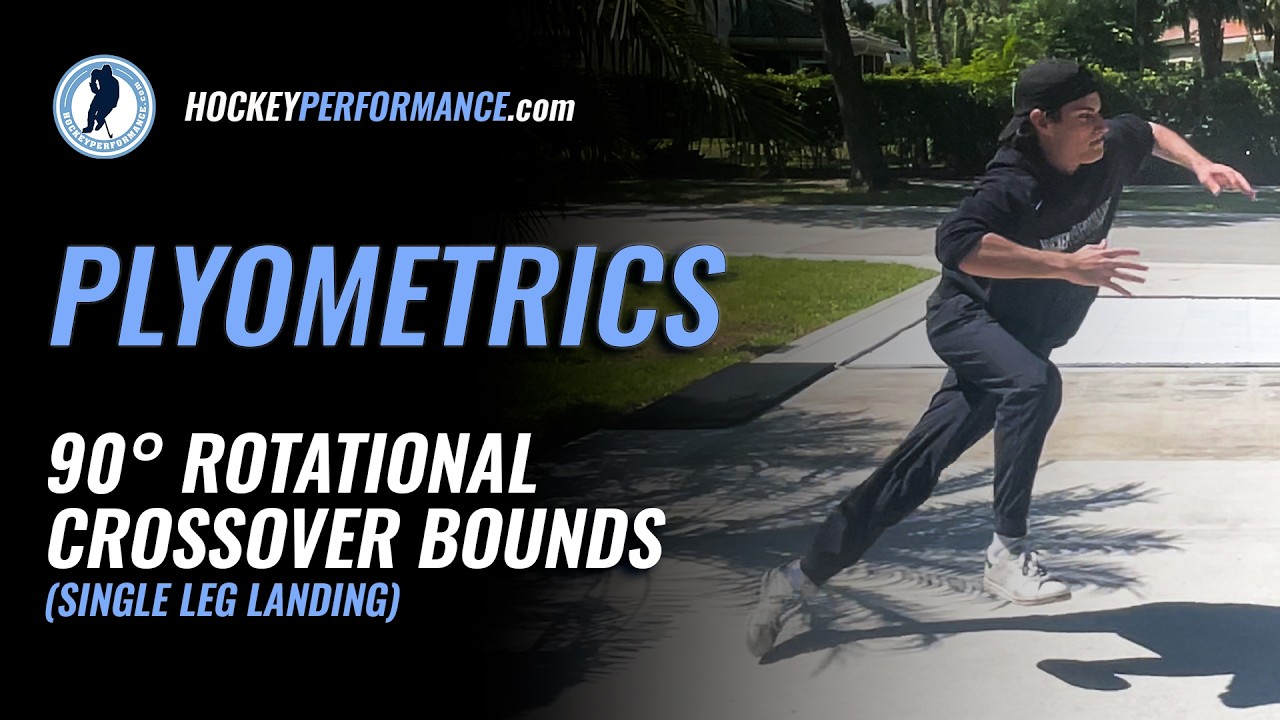
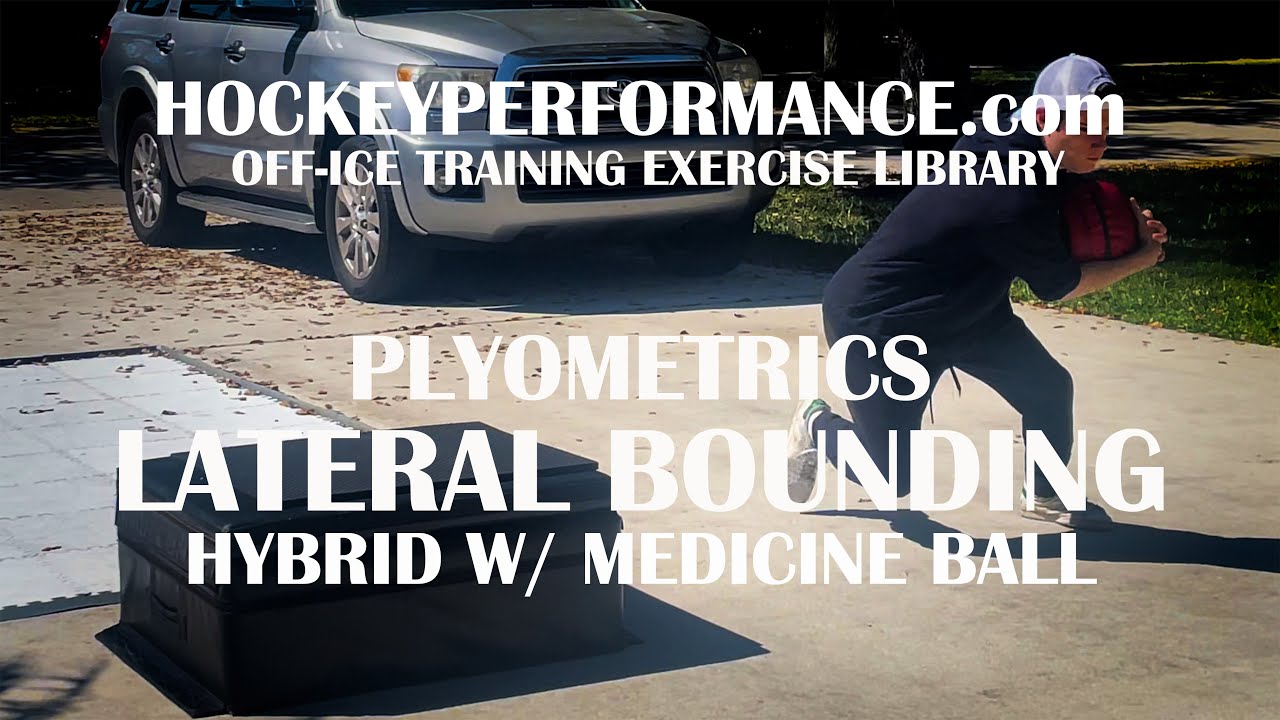
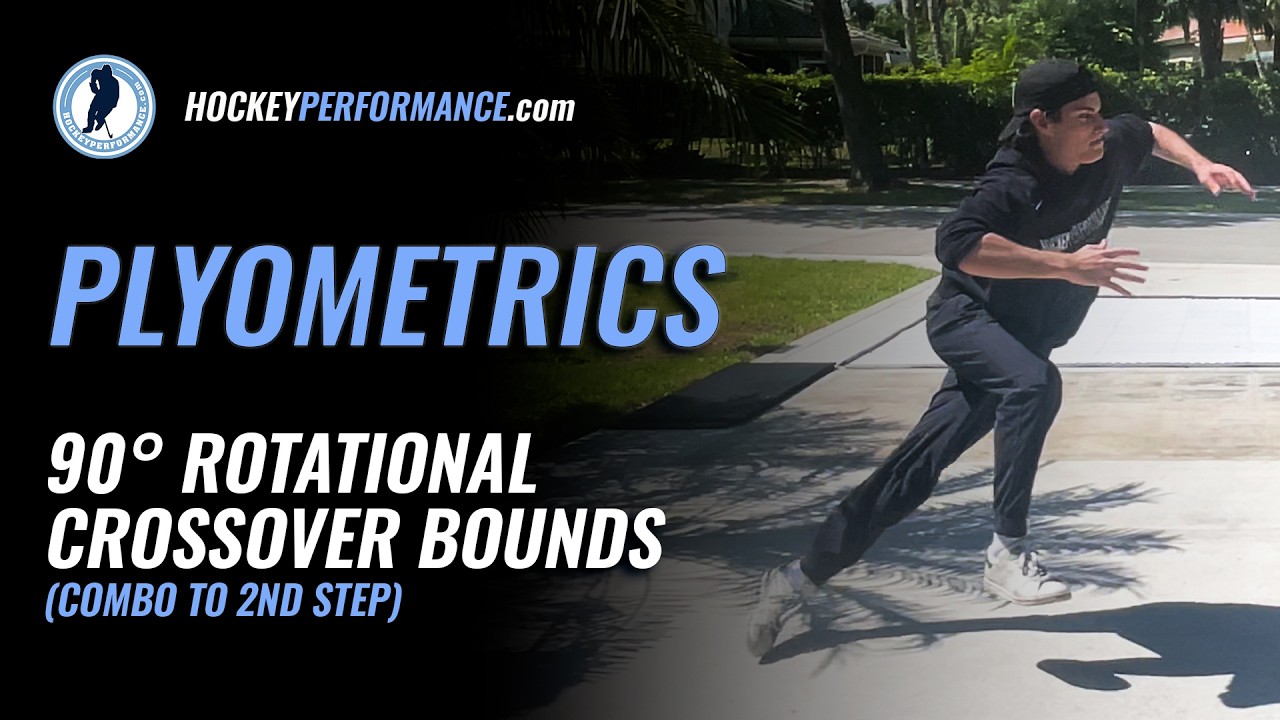
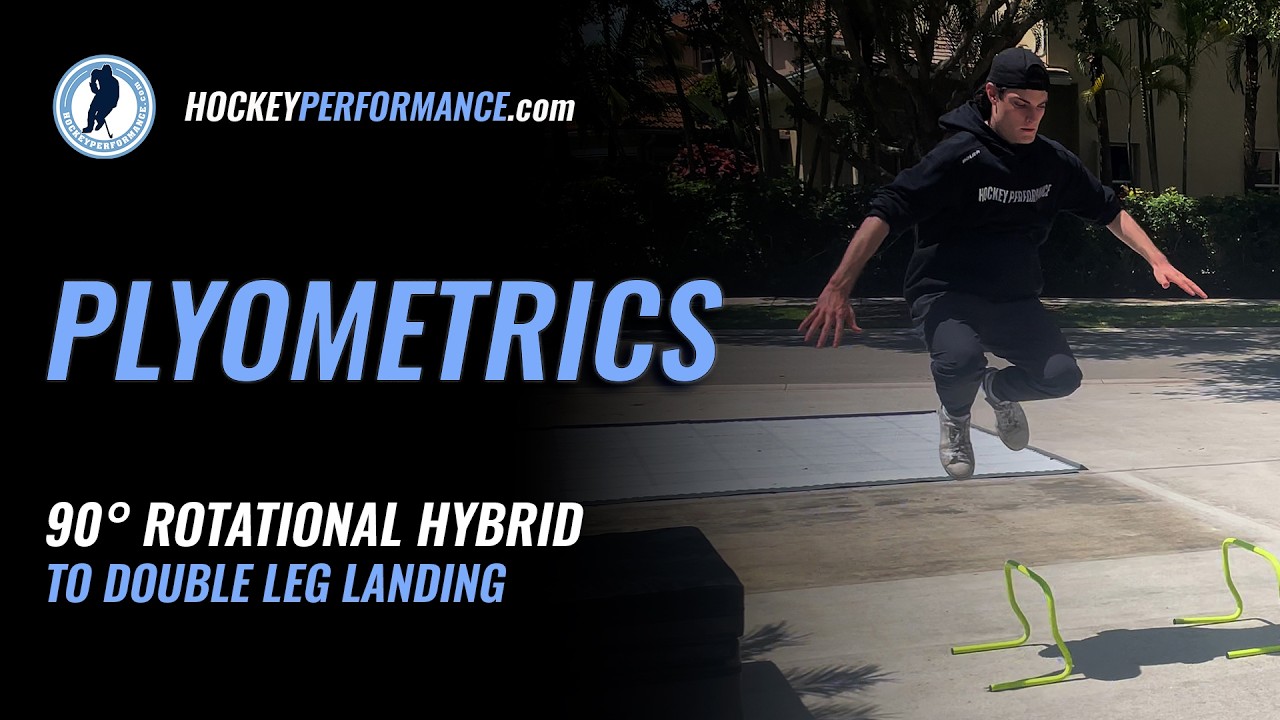
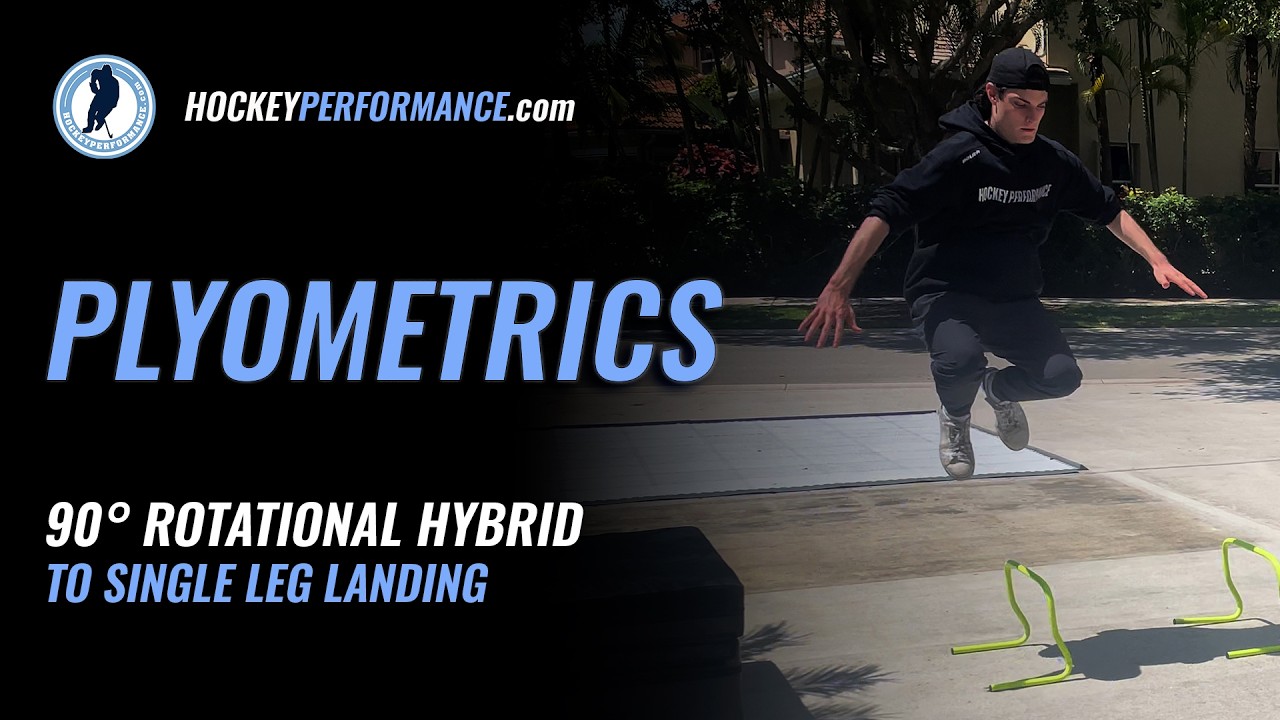
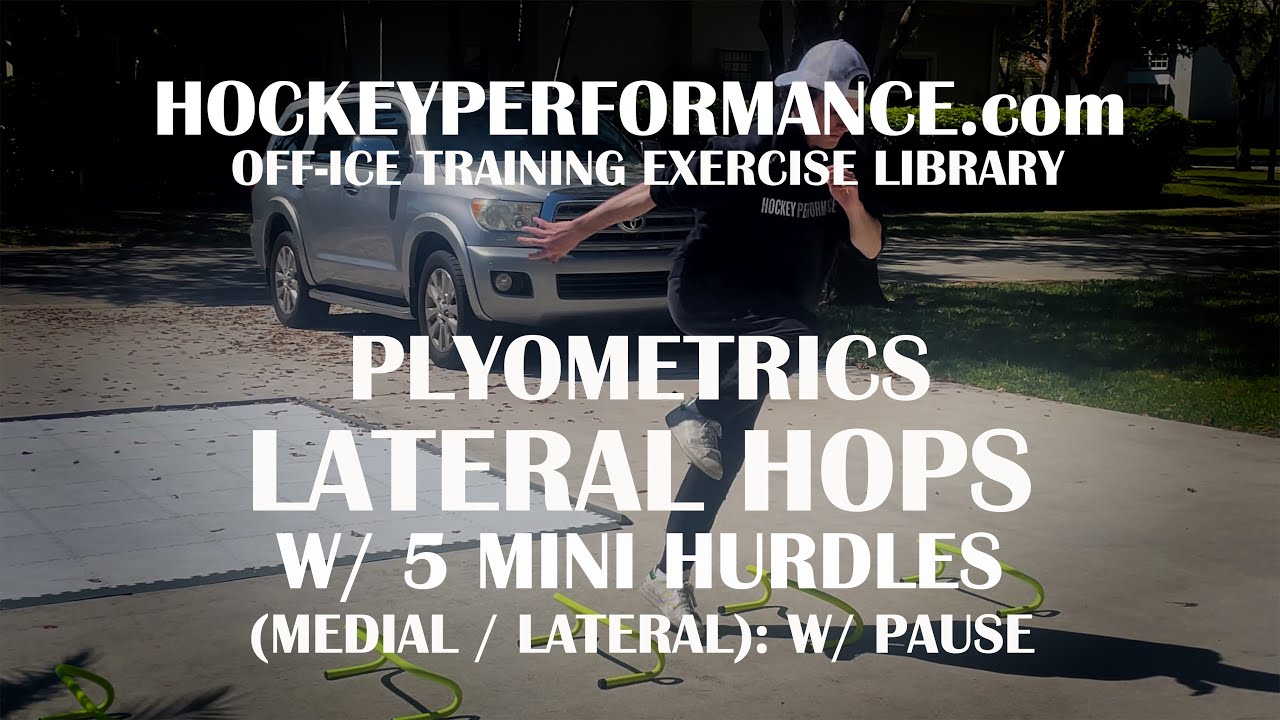
Plyometrics is a common training discipline which involves a series of quick, powerful movements that use the stretch-shortening cycle (SSC) of muscles to increase power and improve athletic performance. Training Plyometrics will significantly decrease the time it takes your muscles to produce force, increase the magnitude of the force produced, decrease the inhibition or resistance of the muscles being used and those that oppose the movement, and improve the ability of the elastic components to store and utilize kinetic energy. We train in various planes: Vertical, Lateral, Linear, Diagonal, and Rotational. Each directional plane is then categorized into Jumps: which are performed with two legs. Hops are performed on the same leg. Bounds are performed from one leg to the other. Snap Downs and Depth Drops: which specifically addresses the deceleration component. We will also use a variety of tools including Soft Jump Boxes, Hurdles, Ladders, Med Balls, and Weight Vests. All used to slightly change the variable to elicit a specific response.
To keep it simple, athletes that jump higher and jump further typically skate faster. The effort you put into plyometric training will have a direct correlation to your speed on the ice.
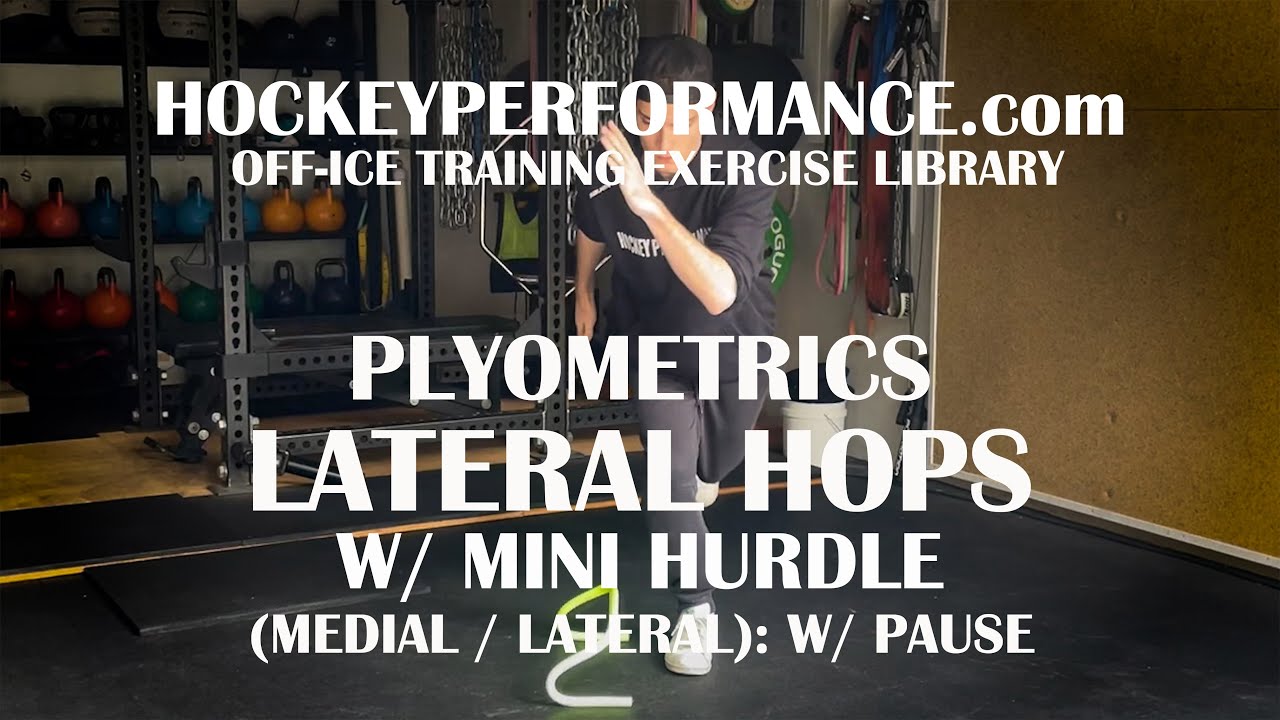
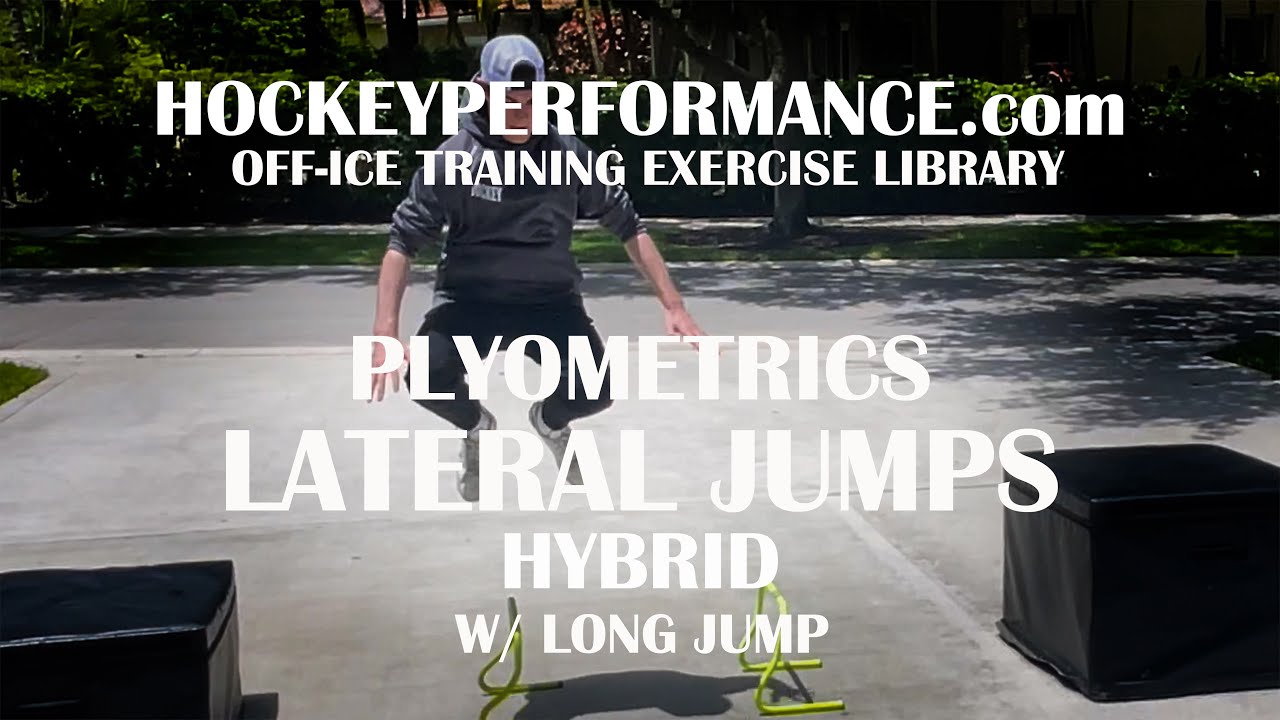
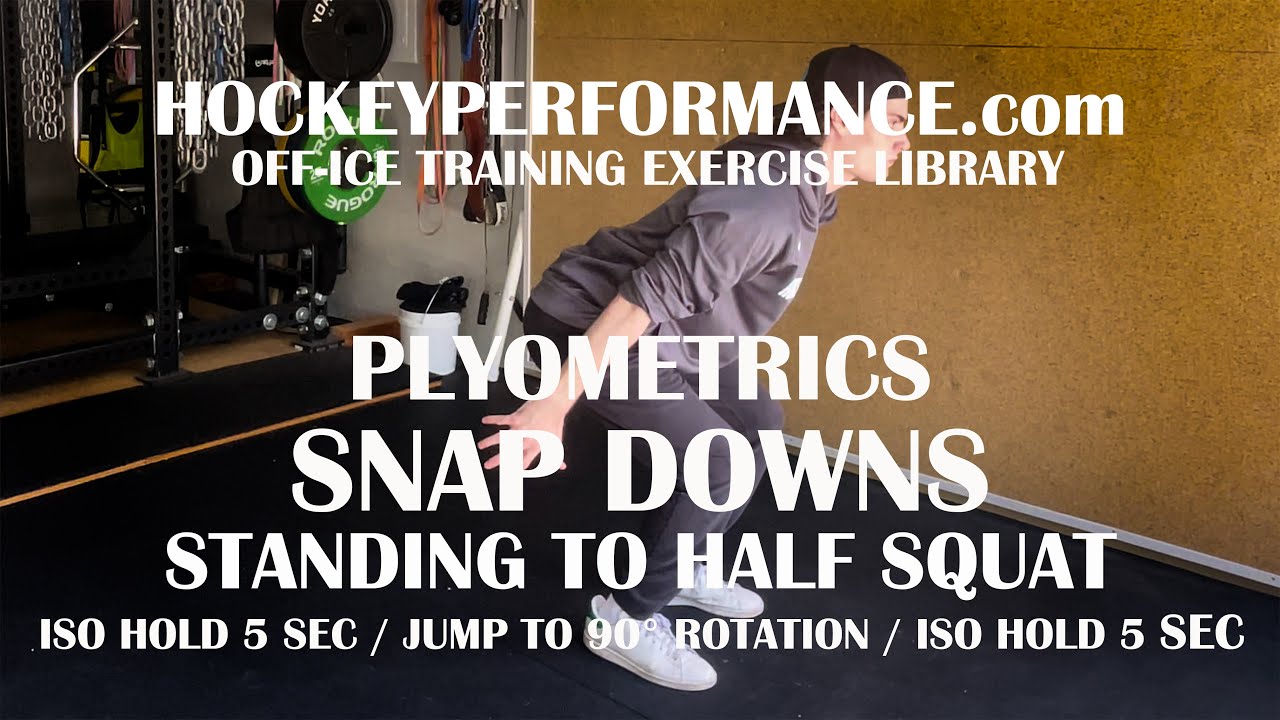
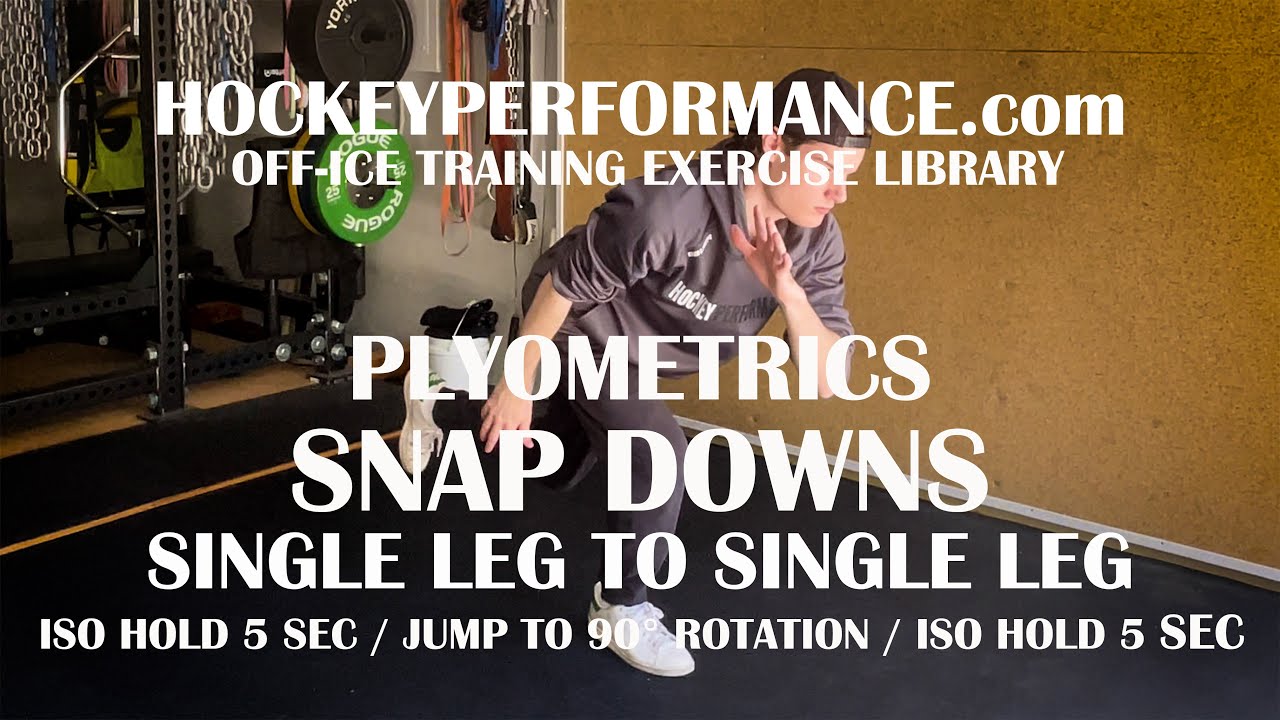
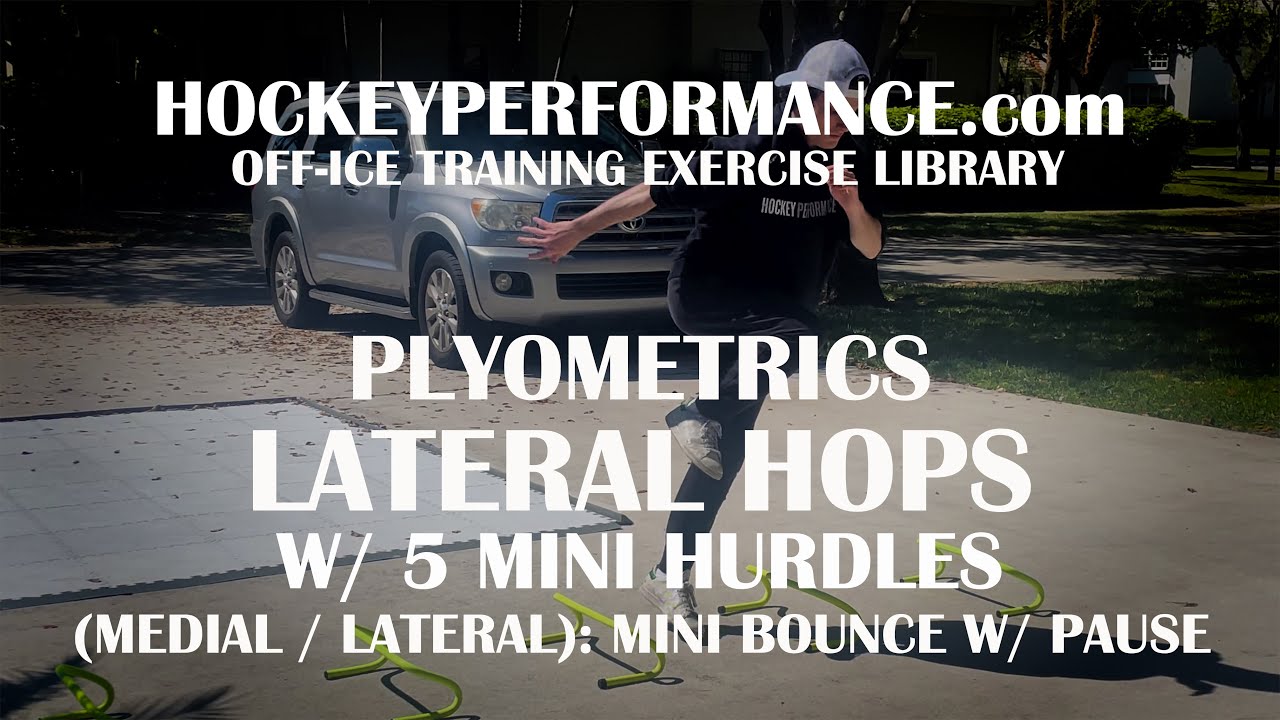
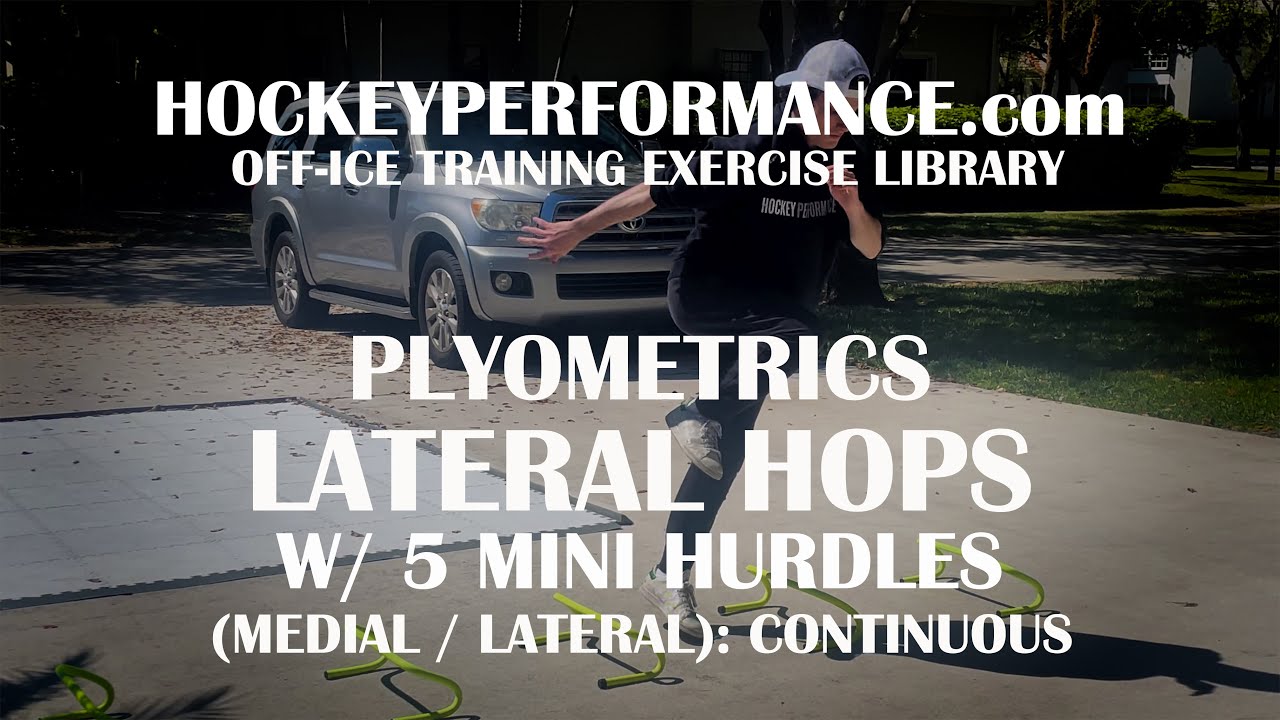
PLYOMETRICS FILTER
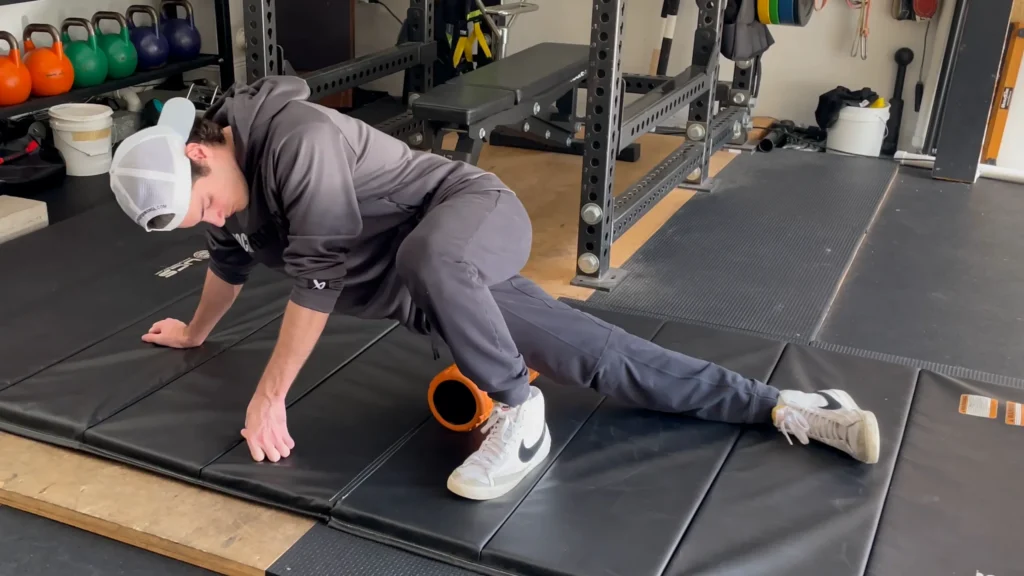
SOFT TISSUE MANAGEMENT
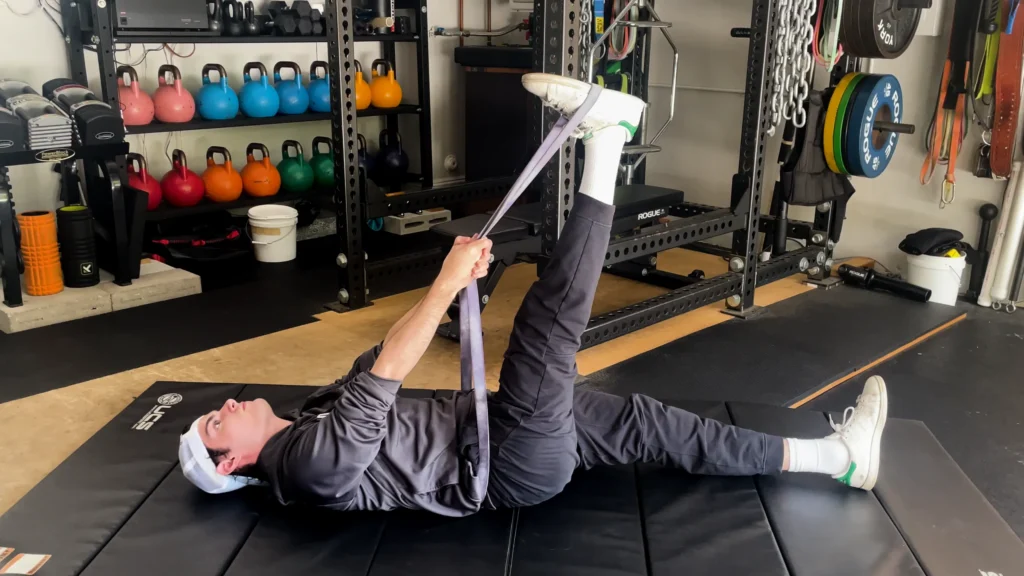
ACTIVE ISOLATED STRETCHES (AIS)
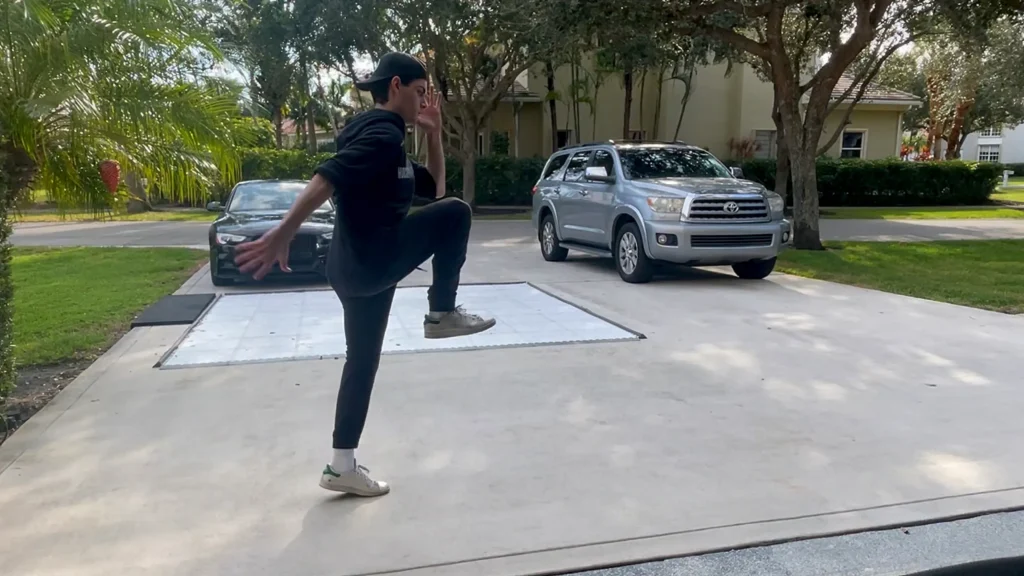
INTEGRATED MOVEMENT PREP
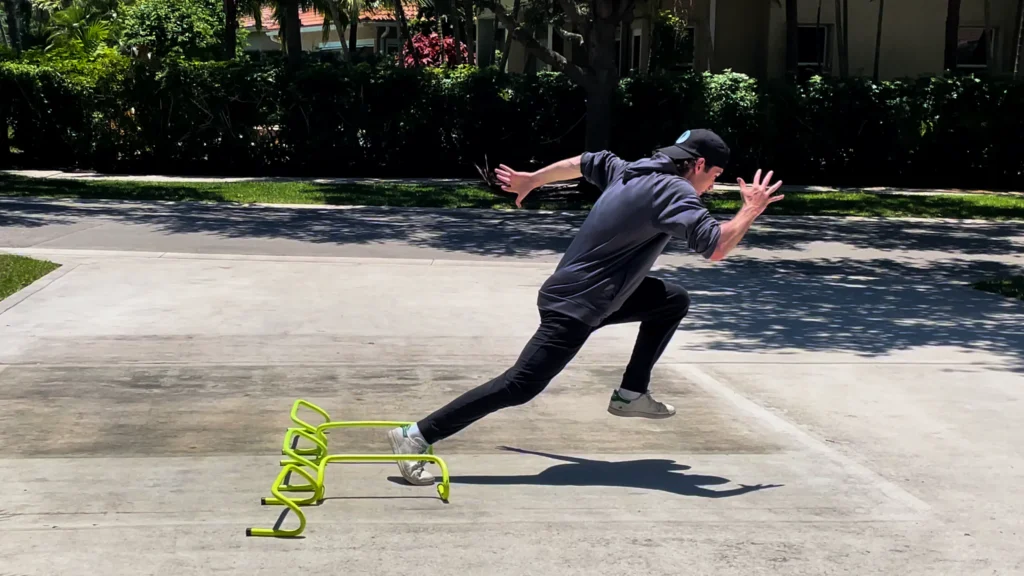
NEURAL ACTIVATION
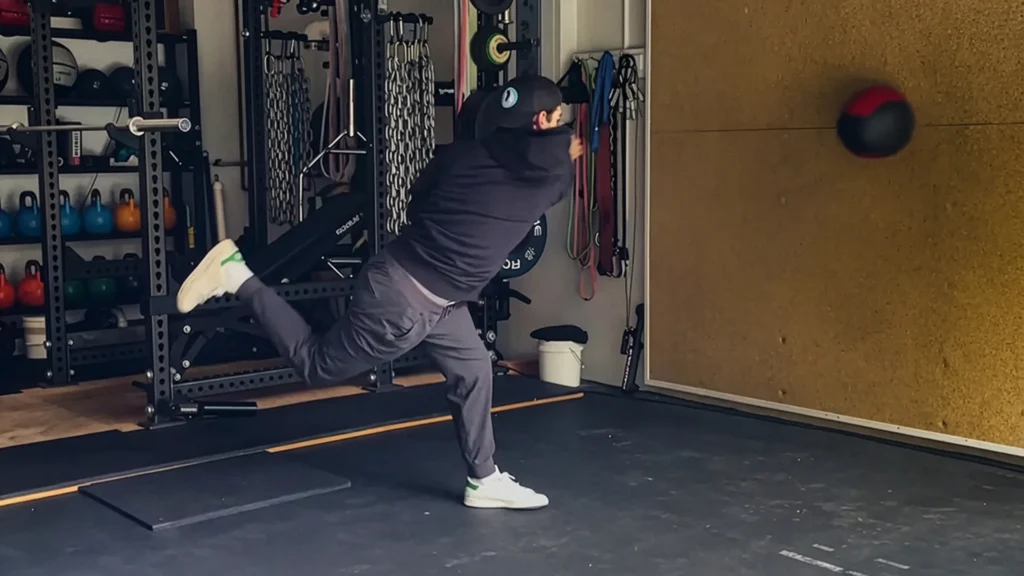
ROTATIONAL POWER
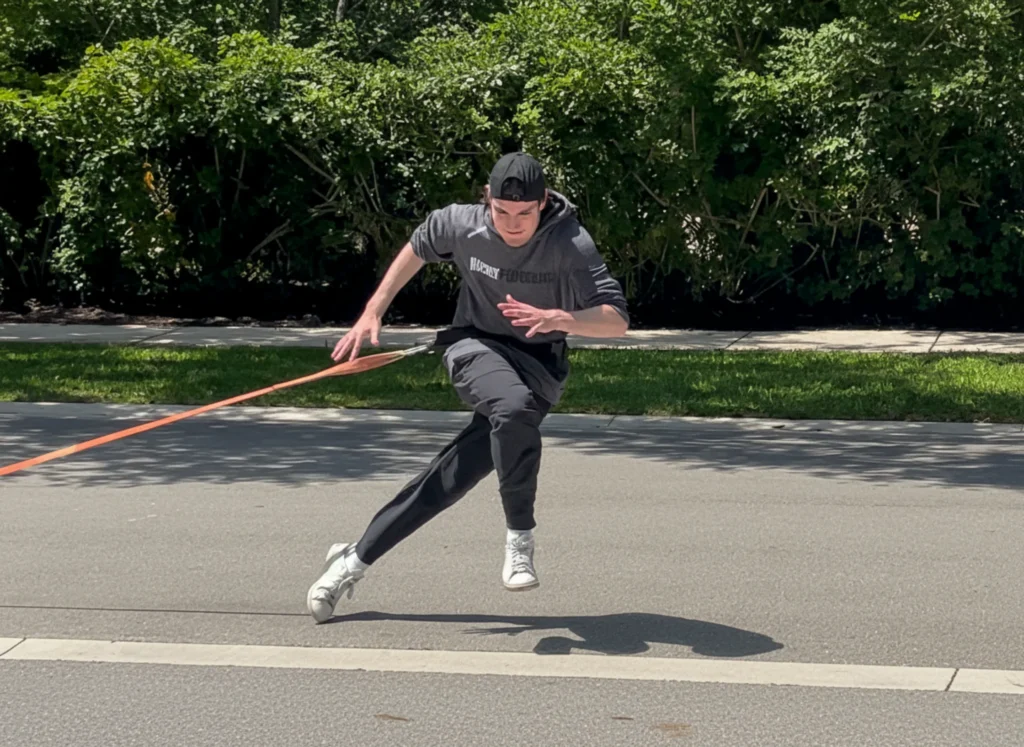
SPEED MECHANICS
STRENGTH TRAINING